

 1 hour ago
4
1 hour ago
4
ARTICLE AD BOX
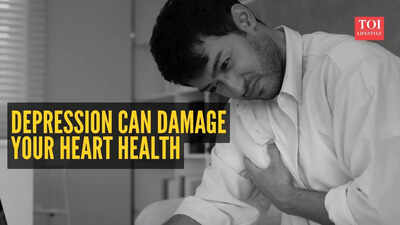
Depression is usually understood as a condition that shapes how we feel and cope with everyday life. Fatigue, persistent sadness and a loss of interest in things once enjoyed are often seen as its defining features.
But a large study published in Circulation: Cardiovascular Imaging suggests its impact may extend well beyond mood. The research indicates that depression can quietly increase the risk of heart disease, even in people who appear otherwise healthy.
Heart risks that accumulate quietly
In a long-term analysis of more than 85,000 adults, researchers found that people diagnosed with depression were more likely to experience serious cardiovascular problems over time. These included heart attacks, strokes and heart failure.
The risk was even higher for those living with both depression and anxiety, pointing to the toll that sustained emotional strain can place on the body.
How the brain and heart are linked by stress
What sets this study apart is its focus on biology rather than behaviour alone. In a smaller group of participants who underwent brain imaging, scientists observed increased activity in the amygdala, the region involved in processing fear and stress. This suggests that people with depression may live with a stress response that remains constantly active.
When stress becomes a physical burden
A body locked in “fight or flight” mode does not just feel tense. It functions differently. Blood pressure tends to stay elevated, heart rate recovery slows, and low-level inflammation becomes more common. Over months and years, these changes can damage blood vessels and increase the likelihood of developing heart disease.Importantly, the link between depression and heart disease remained even after researchers accounted for factors such as smoking, diabetes, income, education and physical activity.
This suggests depression is not merely connected to heart disease through unhealthy habits, but may play a direct biological role through stress-related pathways. Screening for depression and anxiety may be just as relevant as monitoring cholesterol or blood pressure. For patients, the message is reassuring. Treating depression is not only about improving emotional wellbeing, but may also help protect long-term heart health.The researchers caution that the study does not prove depression directly causes heart disease. Still, the biological signals uncovered help explain why the two so often appear together. Future studies will explore whether therapies that reduce stress, improve mental health or lower inflammation could also reduce cardiovascular risk.The takeaway is clear. Heart health is shaped by more than diet, exercise and genetics alone.
Emotional stress leaves real, physical marks on the body, and caring for mental wellbeing may be one of the most overlooked, yet powerful, ways to safeguard the heart.Note: The information provided in this article is for educational purposes only and is not intended as medical advice. Always consult with a qualified healthcare professional before starting any new medication or treatment and before changing your diet or supplement regimen.









 English (US) ·