

 1 week ago
6
1 week ago
6
ARTICLE AD BOX
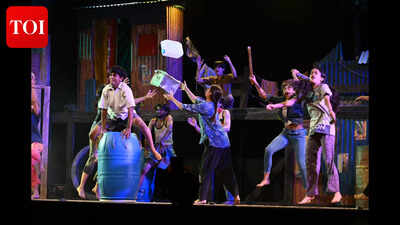
The 2026 Firodia Karandak saw a significant shift as newer colleges and innovative formats triumphed. MIT AOE Alandi's biographical production on Baburao Painter clinched top honors, while MIT World Peace University's rap-infused drama on social issues and PCCOE's all-girls musical performance also garnered acclaim, signaling a generational change in theatrical expression.
For years, Firodia Karandak followed an unwritten pattern. Familiar colleges dominated the winners’ list, and traditional dramatic formats often defined what success on the prestigious stage looked like.
But the 2026 edition felt different. This year, the spotlight shifted, not just to new themes and performance styles, but to newer colleges rewriting what a winning production can be.New winners take centre stage
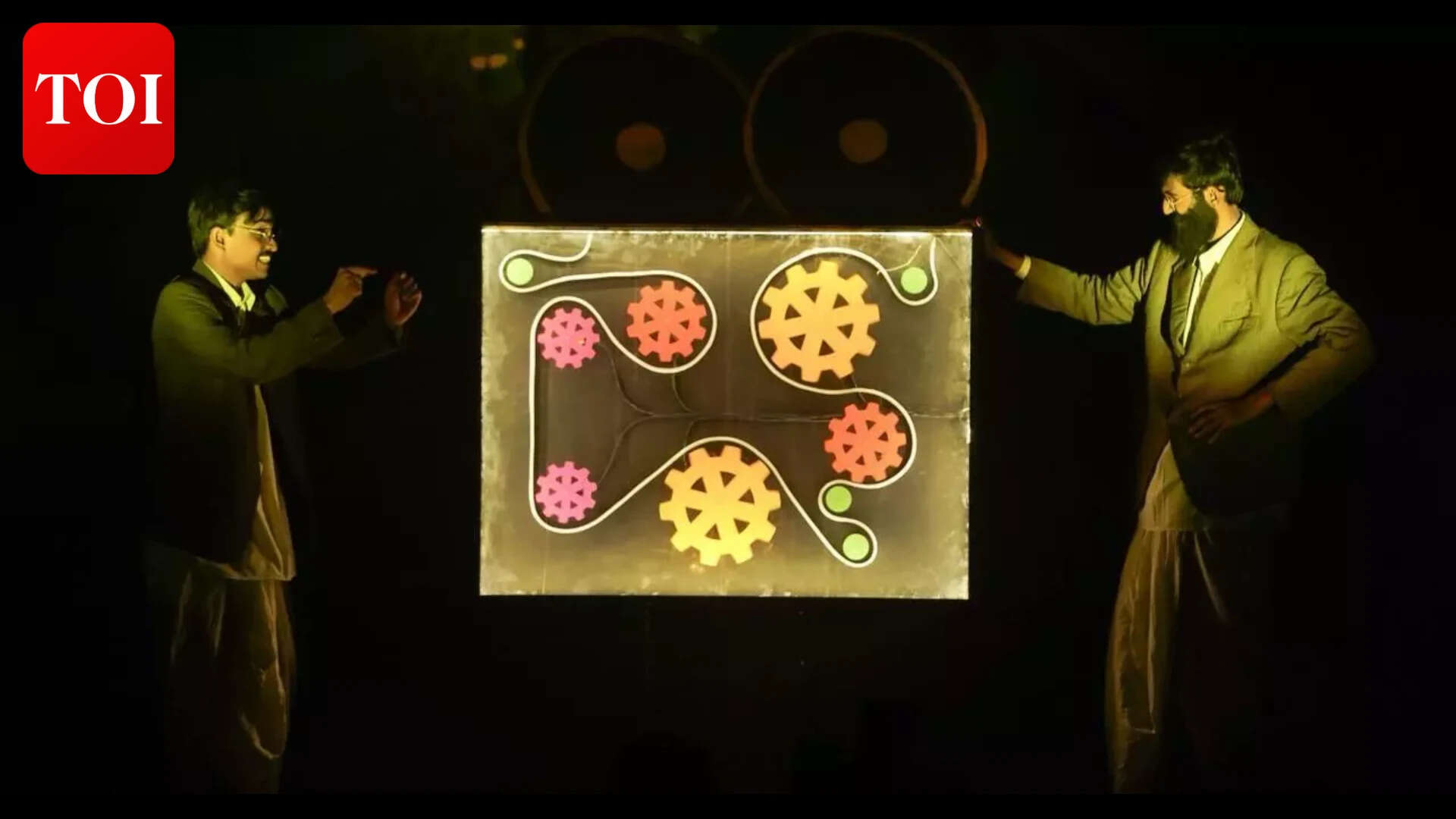
MIT AOE Alandi's Cinema Camera (Picture credits: Aks Lan Photography)
MIT AOE Alandi emerged as the biggest winner of the night with Cinema Camera, a production based on filmmaker and innovator Baburao Painter. Instead of relying on fictional or mythological narratives, the team chose to revisit a lesser-known chapter of Indian cinema history.
The team travelled to Kolhapur, met Painter’s daughter and spent nearly two months researching before staging the production. The effort translated into a clean sweep, with wins in writing, direction and music. What made the achievement more significant was the team itself.
“Almost half our team were first-year students who had never done theatre before. The journey really began with explaining how everything works,” said student representative Udaya Deshmukh.
In a competition often associated with established contenders, the win marked a clear generational shift.Experimentation finds acceptance
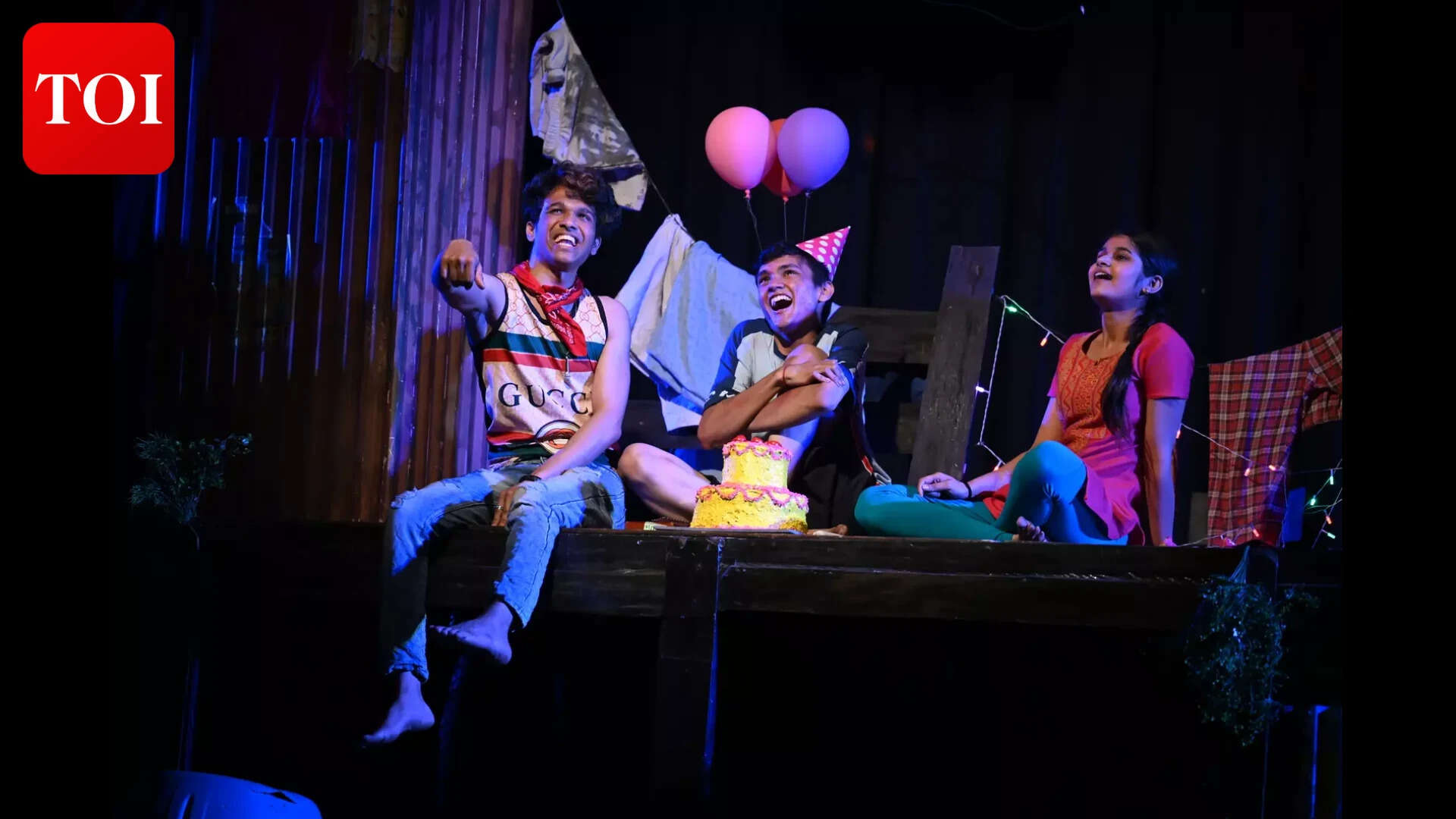
MIT WPU's Rapta(Picture credits: Jignesh Mistry)
If one production reflected a change in subject, MIT World Peace University’s Rapta represented a change in the language of communication. Rap became its primary storytelling medium to address sexual harassment and assault. “We wanted to talk about a serious social issue, but in a way that wouldn’t feel heavy or disconnected for today’s generation,” said student representative Parnika Kulkarni, adding that their presentation drew inspiration from Dharavi's hip-hop culture.
The institute won second place in the competition and applause for rapper Rajas Shinde. Movement, music and an all-girls team
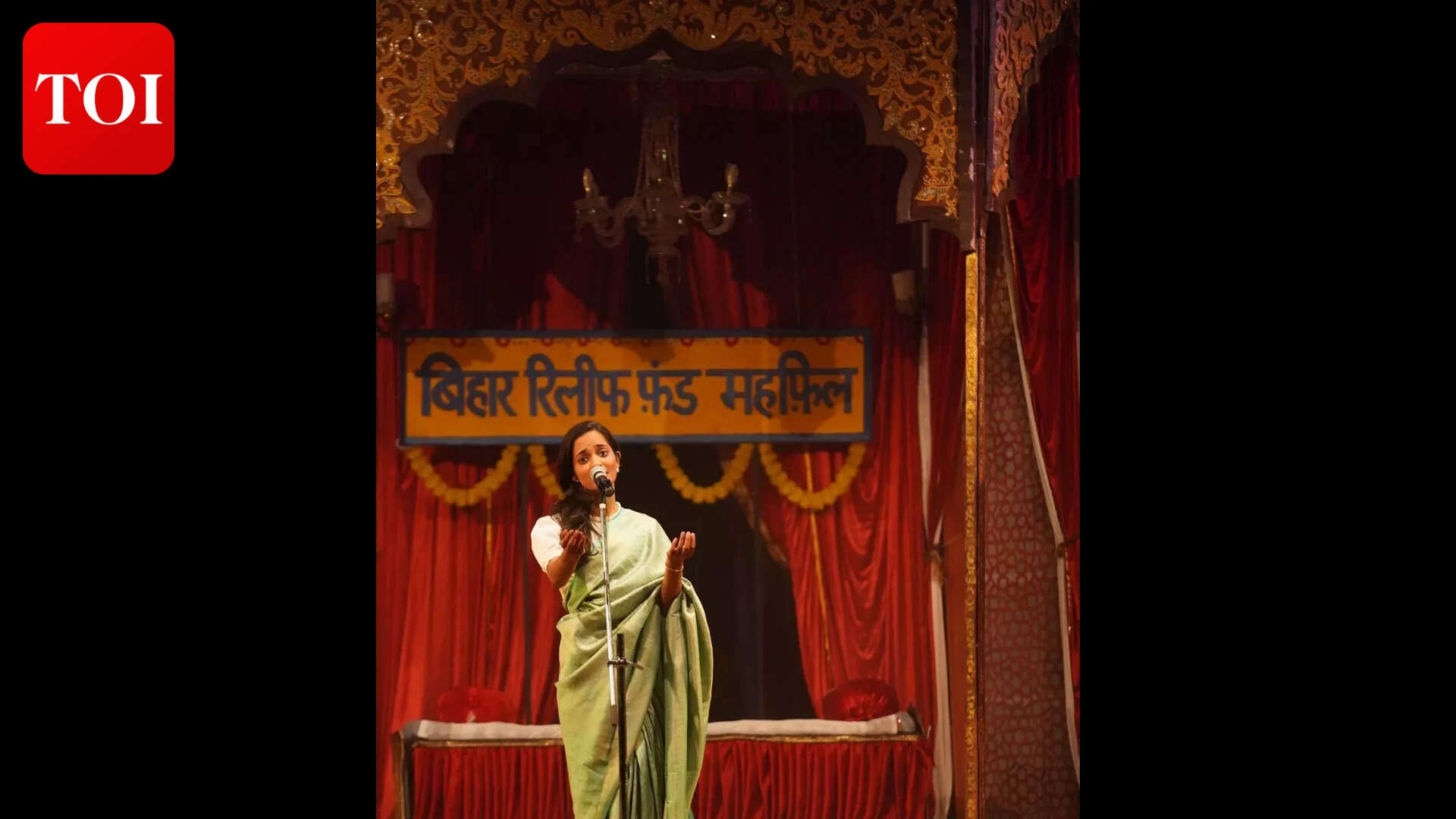
PCCOE's Akhtari (Picture credits: Aks Lan Photography)
An all-girls production, PCCOE’s Akhtari, inspired by the life of Begum Akhtar, stood out for its strong physical storytelling and live music. The team secured third place along with the Special Award for Kinetic Performer, one of the evening’s most talked-about recognitions. “Balancing engineering academics and rehearsals was definitely challenging, but over time the team stopped feeling like just a group and became a family,” said student representative Arya Deshpande.“There is tremendous energy and honesty in the way today’s students approach performances. When teams speak about experiences relevant to their own generation, to me that feels real and signals a shift in storytelling"- Manasi Vaze, a professional dancer“Firodia Karandak is a place where you now see biographies, social commentary and experimental narratives coexisting. Each team brings a different interpretation of the topic at hand and I think that diversity keeps the competition alive.”-Hemant Edlabadkar, a writer






 English (US) ·