

 2 hours ago
6
2 hours ago
6
The year 2025 witnessed a period of churn for the transport sector in Telangana. While the government continued to promote green mobility across privately owned vehicles and State-run bus services, it continued to grapple with the logistical demands of the Mahalakshmi free-travel scheme, even as it significantly hiked the cost of public transport.
The government continued to showcase the flagship Mahalakshmi scheme, which provides free travel to women and transpersons aboard buses operated by the Telangana State Road Transport Corporation (TGSRTC). Till December this year, zero-fare tickets worth an estimated ₹8,500 crore had been issued since the scheme’s inception.
But, as a consequence, this led to a surge in ridership and higher occupancy ratios. While the scheme initially strained the corporation’s finances, regular government reimbursements helped ease TGSRTC’s long-standing financial stress. However, there were instances of delays in reimbursements to the State-run road transport undertaking.
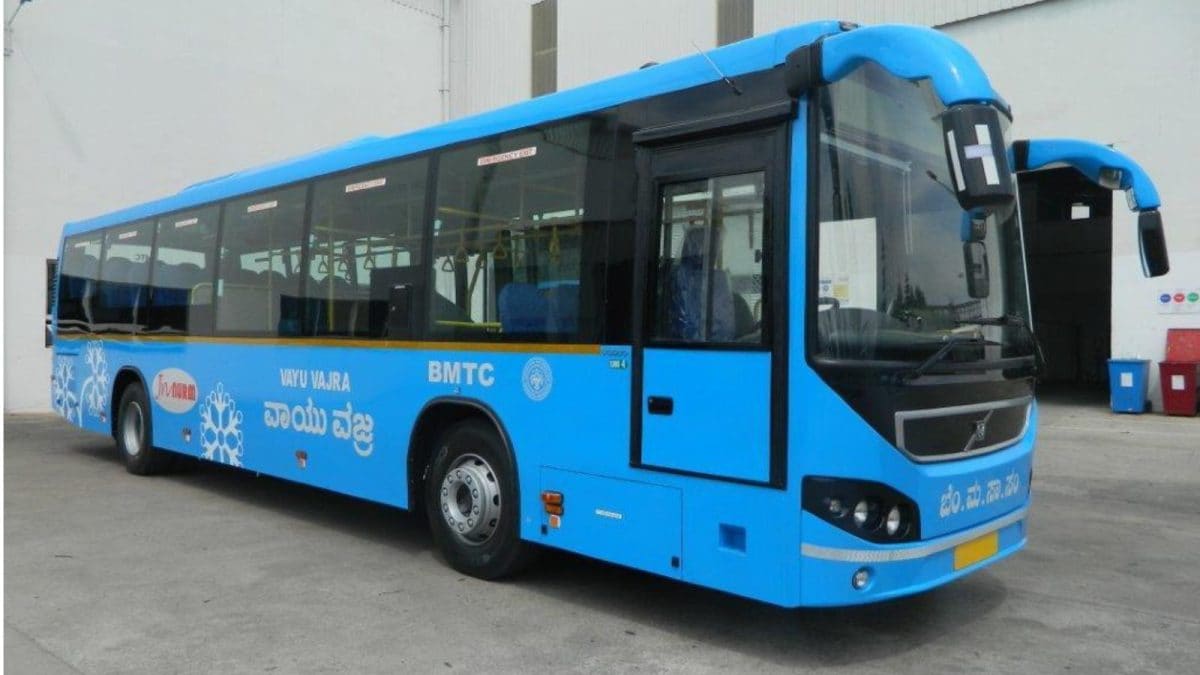
Parallelly, TGSRTC has sought to improve its position by adopting sustainable mobility measures. This saw the Chief Minister A. Revanth Reddy-led government to announce a replacement of diesel-powered buses with 2,800 electric buses till 2027. Transport Minister Ponnam Prabhakar flagged off 65 new low-floor electric buses at the Ranigunj Depot, increasing the number of e-buses operating in TGSRTC’s Greater Hyderabad Zone from 300 to 540.
However, this shift towards electric mobility came at a cost to the end user. In other words, commuting on the city’s public buses became more expensive for the regular passenger. To facilitate this transition to sustainable mobility , the transport juggernaut also had to invest substantially in supporting infrastructure. This included the construction of 10 new depots and the upgradation of 19 existing ones, requiring an estimated investment of about ₹392 crore.
As a result, passengers were required to pay ₹5 more for a ride on ordinary buses for the first three stages, with fares rising by ₹10 from the fourth stage onwards. For Metro Deluxe and e-Metro AC services, fares were increased by ₹5 for the first stage and ₹10 thereafter. The prices of student bus passes were also revised upwards.
The incentivisation of electric vehicle adoption continued during the year, with the State’s EV policy offering 100% exemptions on road tax and registration fees. This resulted in a rise in private electric vehicle ownership.
Private buses came under scrutiny in October following a gruesome bus fire near Kurnool that claimed the lives of 19 passengers. The incident laid bare how several private operators had registered their buses in States such as Arunachal Pradesh, Nagaland and, in this case, Odisha, to avoid paying Telangana’s higher quarterly taxes.
In response, the Transport department cracked the whip, booking dozens of cases, issuing scores of inspection reports and seizing vehicles for alleged violations.
These challenges notwithstanding, 2025 also saw efforts to improve connectivity, with the department identifying hitherto unconnected colonies and neighbourhoods on the outskirts of the city.



 English (US) ·