

 1 hour ago
2
1 hour ago
2
ARTICLE AD BOX
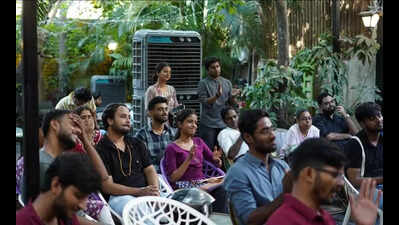
Patna is alive with creativity, yet its performing arts scene is at a crossroads: how to transform open mic nights from casual practice into lucrative performances. Among a passionate youth community, there's a notable hesitance from audiences to invest in the art, with social media clout often taking precedence over genuine artistic endeavor.
Patna: In the world of performing arts, an open mic is meant to function like net practice – a space to fail safely, absorb feedback and gradually find one’s form. In Patna, the nets are crowded, but the stadium remains elusive.
While the city has nurtured a growing community of expressive young artists, it continues to struggle with building a professional bridge from cafe corners to ticketed shows. Complicating this journey is the pull of social media, where validation is instant but often hollow.For Ashutosh, a seasoned comedian, the biggest threat to the sustainability of open mics is the absence of proper “shows”. “Open mics are net practice; if you want to play the match, you need shows.
Open mics need to be transformed into shows for survival because artists are meant for shows and not open mics,” he says.He points to a hesitant local audience that resists ticketed performances and remains wary of experimental genres such as dark comedy. “In cities like Delhi or Gurgaon, comedians survive on ticketed performances and lucrative corporate gigs. Patna makes artists, but once they reach maturity, they have to leave,” he adds.
With no strong corporate circuit and limited remuneration, performers are often offered a few minutes on stage for a modest fee.
Without a viable path to monetisation, many eventually migrate to bigger cities.Artistic integrity faces its own challenges. Anand Kashyap flags what he calls a “content-first” culture. “In Patna, you can get a 4K video recording for Rs 100 to Rs 300, but you don’t get the skills or the feedback,” he says, arguing that viral appeal is increasingly valued over literary or performative depth.Iman echoes this concern, pointing to brand obsession within the scene. “People are more attracted towards brand names like Ghar and Kommune, rather than the art of performing. They are more into doing it for social media validation and views,” she says, adding that even free events struggle without a recognised label.Writer Gaurav Sinha, who recently moved from Delhi, admits the pressure to create social-media-friendly work is real, though he remains cautiously optimistic.
“The real challenge is finding a balance — making your work visible without losing originality,” he says, estimating that around 60% still prioritise authenticity. For the culture to survive, he stresses, non-artists must also step in as paying audiences, supporting art for its own sake rather than just “visibility”.From an organiser’s perspective, the numbers rarely favour risk. Abhijeet Sinha, owner of Tamasha Club, says awareness has grown over the last seven years, but paying capacity has not.
“You cannot charge more than a cinema ticket,” he notes. High rents, technical requirements and marketing costs often leave organisers operating on thin margins.Despite these pressures, the arrival of nationwide platforms has introduced structure and consistency. Yet, as Ashutosh and Gaurav agree, survival will depend on a shift in mindset and ecosystem— valuing the process over the post, feedback over followers, and shows over mere stage time.



 English (US) ·