

 5 hours ago
3
5 hours ago
3
ARTICLE AD BOX
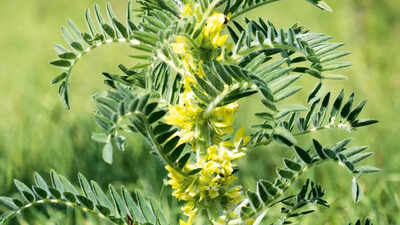
Astragalus is a type of medicinal root that has been used conventionally in Chinese medicine for thousands of years. More recently, it has become a trendy type of supplement that is supposed to aid in immune system function, heart function, kidney function, and in the recovery from illnesses.
Astragalus supplements come in the form of capsules, powders, tea, or liquid that are made from the dried roots of the plant. Although modern scientific research has confirmed some of its traditional applications, there is still not enough known about it to make it a suitable addition to a daily routine. Knowledge of the potential benefits and risks of astragalus supplements is crucial.
Astragalus and kidney health: How this traditional herb may support chronic kidney disease
According to Cochrane reports, astragalus root has long been recognised in traditional medicine as a herbal remedy that has lately been promoted due to its beneficial properties in the treatment of the kidneys, especially in patients suffering from chronic kidney disease.
The key components in astragalus roots are known to act effectively in inhibiting inflammatory processes, protecting the kidneys from oxidative damage, and increasing the flow of blood in the kidneys, thus slowing down the progression of the disease.
Additionally, it has been claimed that it may help reduce proteinuria or protein loss in the urine, an indicator of kidney damage, and lower the chances of infection in patients with impaired kidney function.
Don’t Ignore Silent Kidney Damage: How to Detect Issues Before It’s Too Late | Dr Sanjeev Bagai
On the contrary, it should not be used by patients taking immunosuppressants, blood-pressure-lowering medications, or managing blood sugar levels because it has the capability of stimulating the immune system.
Understanding astragalus and its properties
Astragalus is the root of Astragalus membranaceus and Astragalus mongholicus, which is used in herbal medicine. The root has active ingredients like polysaccharides, flavonoids, and saponins, which are believed to be responsible for the immune-modulatory and anti-inflammatory properties.
Astragalus is mostly employed combined with other medicinal plants to offset its properties.
Astragalus other health benefits
- Aids in immune system function
Astragalus can help boost the defensive mechanism of the immune system by stimulating the activation of white blood cells. This can result in improving the fighting mechanism of the body against infections like common colds.
Certain research has found that astragalus can be used as a treatment for enhancing blood circulation as well as aiding the heart, particularly for heart failure patients.
It could be useful for decreasing the inflammation of blood vessels.
- May help alleviate chemotherapy side effects
A number of studies have demonstrated the efficacy of Astragalus in the reduction of nausea, vomiting, diarrhea, and weakness associated with some types of chemotherapy. This herb can also help increase the body’s immunity during the treatment and progression of cancer, depending on the prescription by the physician.
- Controls blood sugar levels
Studies suggest that astragalus could work as an insulin-sensitizer or an anti-hyperglycemic agent, thus leading to the decrease of blood sugar levels in patients with type 2 diabetes.
- May have beneficial effects on fatigue and ageing
Initial findings also indicate that it might aid in increasing energy in individuals suffering from chronic fatigue syndrome. Its antioxidant property may also help boost vitality.
Astragalus possible risks and adverse effects
Gastrointestinal side effects include minor symptoms like bloating, diarrhoea, or nausea, which can result in cases where astragalus is administered in great dosages or increased too rapidly.
- Overactivation of the immune system
Astragalus induces immune activity; hence, it is contraindicated for those who take immunosuppressive medications and those with autoimmune conditions because increased immune response would exacerbate symptoms.
- Its effects on blood sugar and blood pressure
Astragalus might also decrease blood sugar and blood pressure. The interference with the management of diabetes or hypertension may happen, especially in relation to prescribed medications.
- Not recommended for pregnant or lactating women
There is limited scientific evidence on the safety of astragalus during pregnancy or lactation, so medical supervision may be warranted in these situations.
- Higher risk with intravenous use
Intravenous or injectable forms of astragalus can have serious adverse reactions, which include irregular heart rhythms, and should only be used by trained healthcare professionals.
- Forms and dosage considerations
Astragalus root is available as capsules, powdered extracts, teas, liquid extracts, and herbal decoctions. Dosage ranges widely depending on purpose and formulation. In TCM, it is generally given in combination, rather than as a single agent.
How can you safely take astragalus
Astragalus may be ingested in several ways, depending on one’s needs and conveniences. Astragalus is mainly combined with other herbs while being used in Chinese medicine, and it is less frequently used alone.
Astragalus supplements in capsule or tablet form, prepared either with dried root powder or with extract, can easily be found. This seems to be the most convenient way of taking the supplement. The ingested dose in various clinical studies has differed from a small dose to a medicinal dose.
The dried root of astragalus can also be pulverized and then added to warm or herbal infusions. This approach is more traditional and also poses greater difficulties in taking the right amount, which may not be suitable in cases involving patients with chronic ailments.
Astragalus tea can be made by boiling dried slices of Astragalus root in water for a prolonged period of time to extract its active ingredients. Astragalus tea preparations are very common in herbal medicine, particularly for their long-term health benefits, though they should never be overused.
- Liquid extracts and tinctures
Liquid extracts are more concentrated and are rapidly absorbed compared to powders or tea extracts. Due to their potency, liquid extracts are supposed to be used in controlled quantities, and mixing them with other supplements that stimulate the immune system may not be recommended unless instructed otherwise by a medical practitioner.









 English (US) ·