

ARTICLE AD BOX
US President Donald Trump suddenly pulled the plug on a planned military strike against Iran on Thursday, saying talks with Tehran had reached the highest levels and that a formal agreement could be inked in Europe as early as this weekend. Iranian officials weren’t having it—they quickly shot back, saying the U.S. was getting ahead of itself and no final decision had been made.
Trump first shared the news on his social platform, then doubled down from the Oval Office. He claimed the U.S. had “just come to a great settlement regarding the war with Iran.” According to him, the White House expected to wrap things up with a signing in Europe in just a few days—and Vice President J.D. Vance might handle it in person. To back that up, reporters noted that four Air Force C-17s loaded with equipment for a possible trip had already left on Thursday.
Trump laid out what he called the main points: reopening the Strait of Hormuz—no transit fees this time—a 60-day extension on the regional ceasefire, and a path back to nuclear talks. Sanctions relief for Iran would kick in step-by-step, with the U.S. promising to end naval blockade measures at the same pace. But Iran’s foreign ministry wasn’t on board. Their spokesperson Esmaeil Baghaei put out a statement to state media insisting, “Tehran hasn’t come to a final conclusion yet.” The deal’s still under review, he said, and talk of a near-term signing was pure speculation. He made it clear: Iran doesn’t plan to budge on its “red lines.”
Insiders told Axios that Iranian leaders had mostly agreed to the broad framework, but Supreme Leader Ayatollah Ali Khamenei hadn’t signed off. Reuters added that negotiators had nailed down a lot of the big issues, but the real sticking points—like unfreezing tens of billions in Iranian assets and exactly how to sequence sanctions relief—were still up in the air. Analysts say the draft right now is more of a starter framework than a full-on peace agreement. The really tough stuff—what happens with Iran’s enriched uranium, and exactly how inspections and verification will work—still has to be hammered out in a second, more detailed deal.
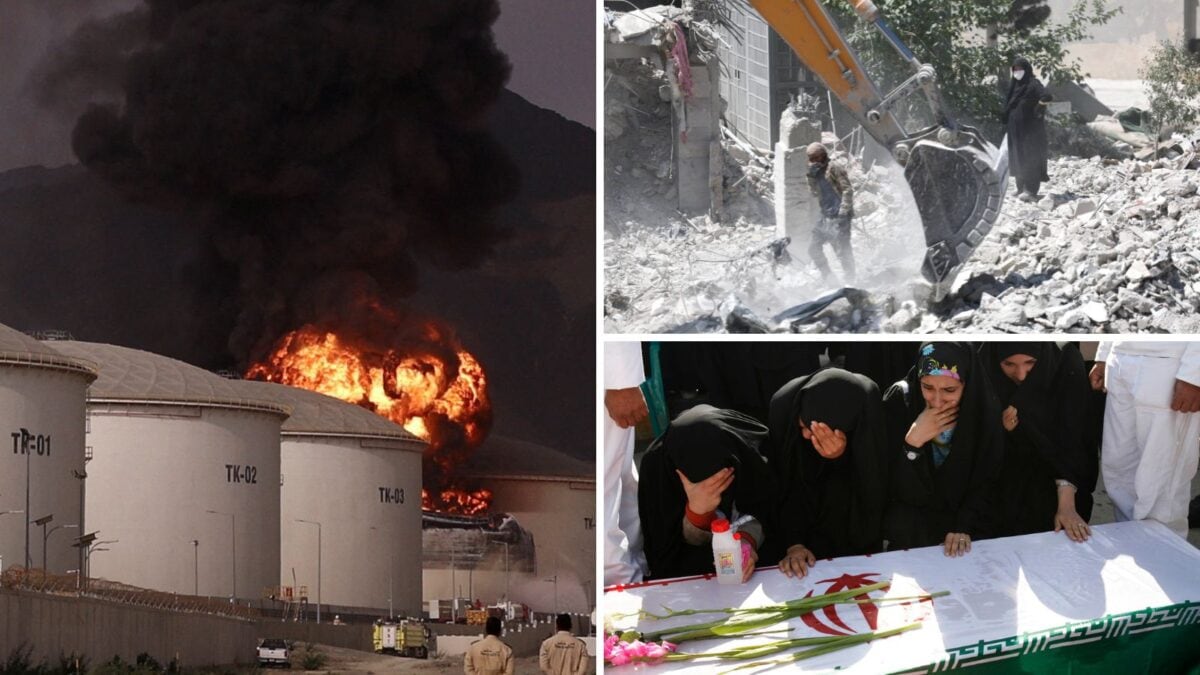
The decision to stand down from military action came after a stressful day. Trump had just warned about relaunching major combat operations before doing a 180 and calling off the strikes. That whiplash kept up a pattern he’s shown lately: bold threats, then sudden reversals. Critics say all this back-and-forth confuses allies, emboldens foes, and makes delicate diplomacy even harder.
If you believe the U.S. account, the proposed deal would open up the Strait of Hormuz to commercial shipping—no transit fees—and throw a 60-day extension on ceasefires in Lebanon and elsewhere. That window gives negotiators time to craft a bigger nuclear deal. Iran would get short-term waivers, letting it export some oil and see some sanctions eased if it plays by the rules. But Iran insists on getting frozen assets released and guarantees around its nuclear rights, so there’s plenty of haggling left.
Experts warn a grand signing ceremony might look good, but the journey to a durable peace and a genuine nuclear agreement could be long and fragile. Outside the negotiating room, most of the world is watching with cautious hope. European diplomats like the idea of progress but want to see the details—especially verification and broad international support. In the region, Gulf countries and Israel are keeping a close eye; some are quietly hopeful, while others say it’s too soon to relax.
The White House hasn’t released the full framework, and talks are set to continue. If leaders do meet for a signing in Europe, it’ll mark a dramatic, if still tentative, step back from the brink in a crisis that’s already rattled the Middle East and strained ties between Tehran and the West. But there are still a ton of open questions—how will compliance be checked, who handles the release of frozen assets, and will a temporary deal really keep the peace? For now, holding off on airstrikes has dialed down the temperature. Both sides know, though, there’s a lot more work ahead before they can claim any kind of lasting resolution.



 English (US) ·