

 1 hour ago
3
1 hour ago
3
ARTICLE AD BOX
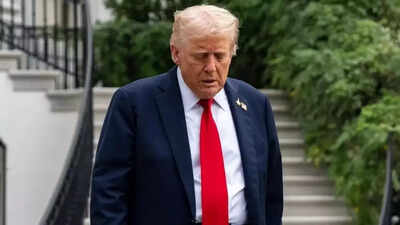
The Donald Trump administration, in an expected move, widened the travel ban to include more African countries from which people can't now travel to the US, even for studying. The list now has 39 countries and is effective from January 1, 2026.
But there are various degrees of travel ban -- full and partial -- and a lot to decode.
Full travel ban
In July, the administration announced 12 countries that are under a full travel ban which means the US completely blocks the entry of people from these countries, no matter who they are, what their purpose of visit is. Only a very few exceptions are allowed, depending on the case. These countrymen can not apply for any visa and even if someone has a valid visa, it is considered suspended.
No new visa is issued. But it does not mean that people from these countries who have obtained US citizenship will be stripped of their citizenship.
- Afghanistan
- Burma
- Chad
- Republic of Congo
- Equatorial Guinea
- Eritrea
- Haiti
- Iran
- Libya
- Somalia
- Sudan
- Yemen
Trump added seven countries to this list
- Burkina Faso
- Laos (previously on the June travel ban “partially restricted” list)
- Mali
- Niger
- Sierra Leone (previously on the June travel ban “partially restricted” list)
- South Sudan
- Syria
This category also includes foreign nationals using Palestinian Authority-issued or endorsed travel documents.
List of countries under partial restriction
- Angola
- Antigua and Barbuda
- Benin
- Burundi (remains on the partial restriction list from the June travel ban)
- Cote d’Ivoire
- Cuba (remains on the partial restriction list from the June travel ban)
- Dominica
- Gabon
- The Gambia
- Malawi
- Mauritania
- Nigeria
- Senegal
- Tanzania
- Togo (remains on the partial restriction list from the June travel ban)
- Tonga
- Venezuela (remains on the partial restriction list from the June travel ban)
- Zambia
- Zimbabwe
Nationals from these countries will not be able to come to the US for travel purposes or to study. H-1B work visas are not suspended but consular officers have been asked to reduce the validity of any visa.
Turkmenistan got some restrictions lifted as its nationals can now apply for B, F, M and J categories of visa.
Who are exempt from this wide travel ban?
People who are inside the US with a valid visa on or before January 1, 2026 are exempt from the travel ban. Existing visas will not be revoked. Athletes, coaches traveling for the World Cup, Olympics are exempt as determined by the State Department. What about fiance visa?"Fiancé visas (K-1) are being treated like immigrant visas (generally non-immigrant) for the proclamation. So if you are filing for a fiancé in one of the 39 banned countries, they are being treated like spouses of US citizens and they are also banned," immigration attorney Brad Bernstein said.





 English (US) ·