

 6 days ago
17
6 days ago
17
ARTICLE AD BOX
Last Updated:April 12, 2026, 12:12 IST
US-Iran talks in Islamabad have entered a “pause and response” phase, with Tehran reviewing Washington’s final proposal.


US Vice President JD Vance arrives for a meeting with Pakistan's Prime Minister Shehbaz Sharif in Islamabad (File photo/AP)
CNN-News18 has learnt from sources close to the Pakistan government that the ongoing US-Iran negotiations in Islamabad have entered a pause- and-response phase, rather than breaking down.
According to a top insider, the ball is now in Iran’s court after the United States presented what it described as its final and best offer, with Washington awaiting Tehran’s response.
Sources indicate that the US proposal has not been withdrawn, signalling that diplomatic channels remain open despite the absence of a formal agreement at the conclusion of the latest high-level engagement.
Iranian officials and state media have not issued a formal rejection of the latest US proposal.
Instead, they have requested additional time to study the offer and continue internal consultations.
Tehran’s earlier statements emphasising the need for seriousness and good faith suggest that Iranian leadership is analysing the proposal rather than shutting down the process.
VANCE SAYS NO AGREEMENT AFTER 21 HOURS OF NEGOTIATIONS
US Vice President JD Vance confirmed that his negotiating team departed Pakistan after 21 hours of talks without reaching a deal, putting pressure on the fragile two-week ceasefire currently in place.
“The bad news is that we have not reached an agreement, and I think that’s bad news for Iran much more than it’s bad news for the United States of America," Vance said after the talks concluded.
Vance stated that Washington had clearly communicated its core objective, securing an affirmative commitment from Iran that it will not pursue nuclear weapons capability or the tools required to rapidly develop such weapons.
“We need to see an affirmative commitment that they will not seek a nuclear weapon, and they will not seek the tools that would enable them to quickly achieve a nuclear weapon. That is the core goal of the president of the United States, and that’s what we’ve tried to achieve through these negotiations," he said.
Iran’s semi-official Tasnim news agency reported that what it described as “excessive" US demands had hindered reaching an agreement, while Iranian officials indicated that technical-level discussions would continue.
TECHNICAL TEAMS CONTINUE ENGAGEMENT IN ISLAMABAD
CNN-News18 sources indicate that despite Vance’s departure, other senior members of the US delegation, including Steve Witkoff and Jared Kushner, have not yet left Islamabad.
Technical teams from both sides are continuing to exchange documents under Pakistani mediation, suggesting that negotiations remain active at the expert level.
Iran has also indicated that further rounds of discussions or expert-level engagement could continue through Saturday and Sunday.
Pakistan, acting as host and mediator, is actively working to prevent the talks from collapsing.
According to sources, both sides have strong incentives to maintain dialogue, particularly as the two-week ceasefire continues to hold, providing diplomatic space for further engagement.
STRAIT OF HORMUZ AND CEASEFIRE CENTRAL TO NEGOTIATIONS
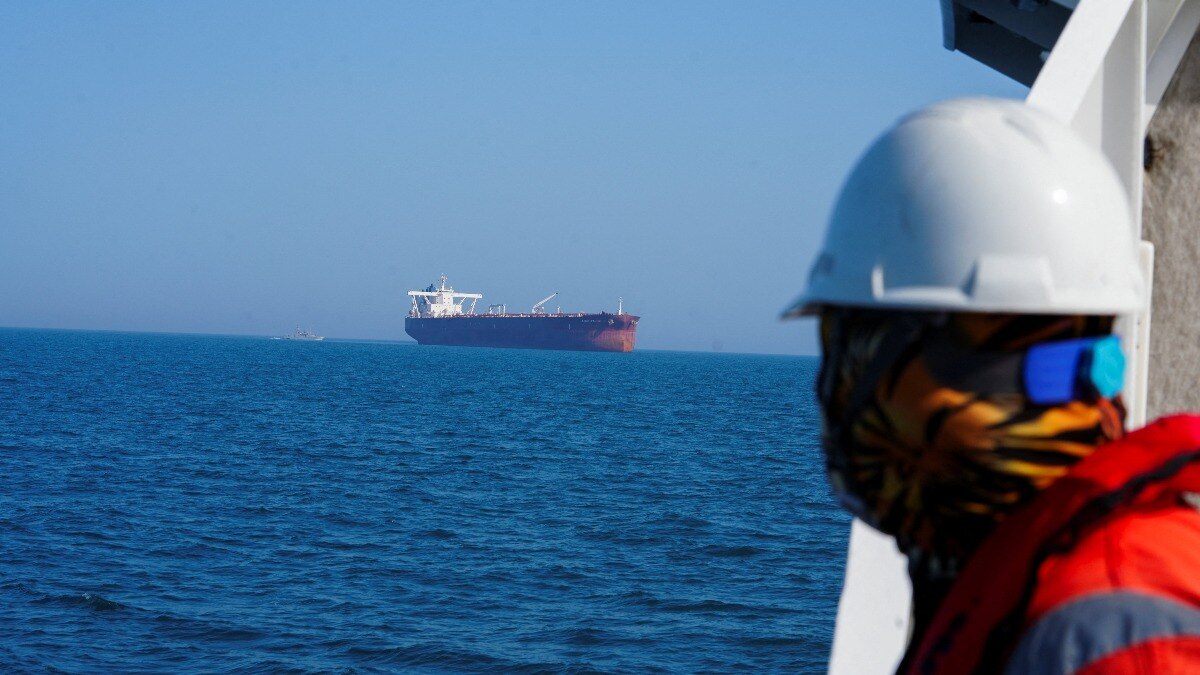
Reuters reported that the Strait of Hormuz remains a key issue linked to the ceasefire discussions, given its significance as a route for roughly 20 per cent of global energy supplies.
The US military said it was “setting the conditions" to begin clearing the strategic waterway, while Iranian state media denied that US ships had transited the strait.
Iran has sought concessions, including access to frozen assets abroad, transit-related arrangements linked to Hormuz, and broader ceasefire considerations across the region.
Washington’s key objective remains ensuring free passage for global shipping and preventing Iran from advancing nuclear weapons capability.
DIPLOMATIC WINDOW REMAINS OPEN
Sources indicate that the partial opening of Hormuz through US action and the continuation of the ceasefire reduce the likelihood of an immediate escalation into full-scale conflict.
Even though the high-level talks ended without a signature, ongoing technical exchanges suggest that diplomacy remains active.
The Islamabad talks represent the first direct engagement between the US and Iran in more than a decade and the highest-level interaction since the 1979 Islamic Revolution.
Despite deep mutual distrust, both sides appear to be keeping communication channels open as they evaluate the next steps in the negotiation process.
Handpicked stories, in your inbox
A newsletter with the best of our journalism
First Published:
April 12, 2026, 12:11 IST
News world US-Iran Talks On Pause-And-Response Phase, Tehran Weighs Final Offer: Sources
Disclaimer: Comments reflect users’ views, not News18’s. Please keep discussions respectful and constructive. Abusive, defamatory, or illegal comments will be removed. News18 may disable any comment at its discretion. By posting, you agree to our Terms of Use and Privacy Policy.
Read More




 English (US) ·