

 1 week ago
11
1 week ago
11
ARTICLE AD BOX
Last Updated:April 11, 2026, 16:07 IST
The alternative to a negotiated settlement is a return to active US-Iran hostilities, a prospect that polling suggests is toxic to the American public


The Vice President’s challenge is to repackage necessary US concessions as a 'strategic realignment' that satisfies Trump’s desire for a visible win. (File photo: Getty Images)
As the Islamabad peace talks enter a critical weekend, US Vice President JD Vance finds himself caught between the competing demands of a “transactional" President and an American electorate weary of foreign entanglements. With the two-week ceasefire hanging by a thread, Vance’s role in Pakistan has transitioned from a diplomatic observer to the ultimate arbiter of a geopolitical gamble. He now faces a binary and brutal choice: undersign significant US concessions to Tehran that may provoke the ire of Donald Trump, or walk away from the table and take personal ownership of a return to a deeply unpopular war.
Why is the Strait of Hormuz the ultimate bargaining chip?
The primary driver behind the current deadlock is the strategic stranglehold Iran maintains over the Strait of Hormuz. For the United States, the unconditional reopening of this waterway is a non-negotiable economic necessity to stabilise global energy markets. However, the Iranian delegation has made it clear that the “key" to the strait comes at a high price: the formal de-listing of the Islamic Revolutionary Guard Corps (IRGC) as a terrorist organisation and the immediate release of billions in frozen assets.
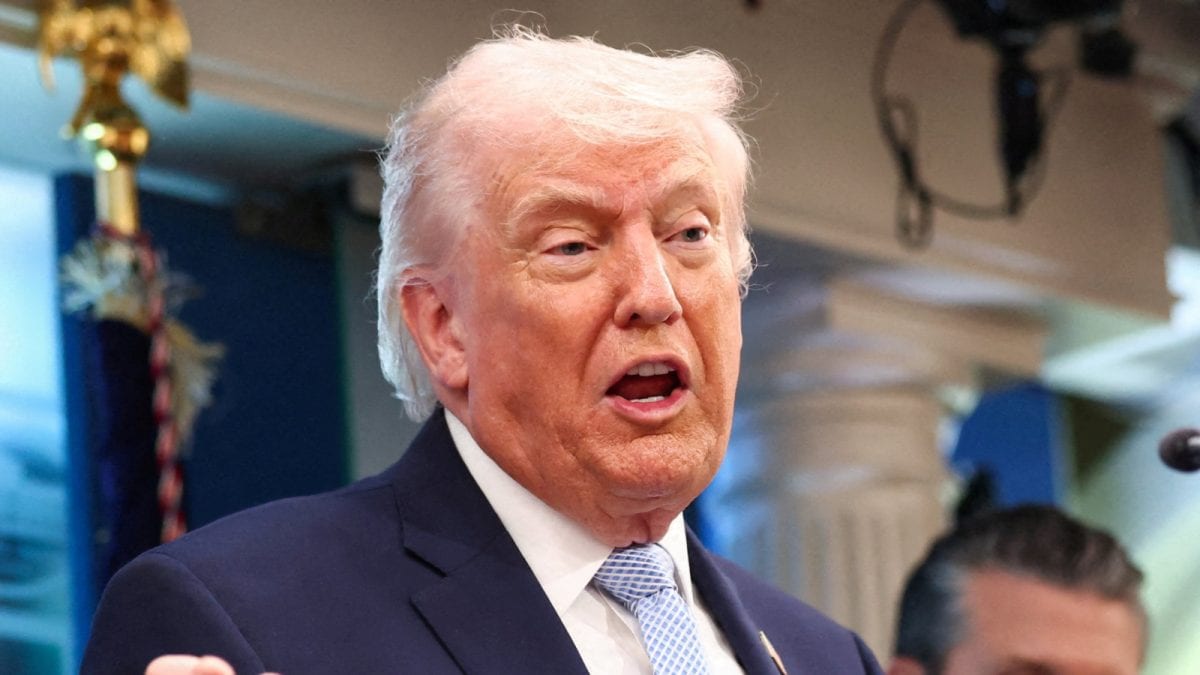
Vance is acutely aware that undersigning such concessions would be a difficult sell to President Trump, who recently posted on Truth Social that Iran has “no cards" left. If Vance agrees to these terms to ensure the flow of oil, he risks being viewed as “weak" by a White House that thrives on a narrative of absolute dominance. Yet, without these concessions, the Iranian side has little incentive to relinquish its only remaining leverage.
What are the political risks of a return to ‘total war’?
The alternative to a negotiated settlement is a return to active hostilities, a prospect that polling suggests is toxic to the American public. After forty days of intense strikes and rising domestic fuel prices, the “America First" coalition is increasingly vocal about avoiding another protracted conflict in West Asia. If Vance cuts off negotiations in Islamabad, he will be the face of the renewed “Great War," a label that could haunt his own political future and the administration’s standing ahead of the mid-term cycle.
President Trump’s rhetoric—claiming that the only reason the Iranian leadership is “alive today is to negotiate"—leaves Vance with very little room for diplomatic nuance. While the President projects a “victor’s peace" from Mar-a-Lago, the reality on the ground in Islamabad is that the Iranian military, though degraded, remains capable of asymmetric disruption that could keep the global economy in a state of “short-term extortion" for months.
Can Vance bridge the gap between ‘no cards’ and ‘real concessions’?
The Vice President’s challenge is to repackage necessary US concessions as a “strategic realignment" that satisfies Trump’s desire for a visible win. This involves framing the release of assets not as a “giveaway", but as a conditional “security deposit" tied to the permanent decommissioning of specific nuclear facilities.
In the high-security confines of Islamabad’s Serena Hotel, Vance is currently navigating this narrow corridor of diplomacy. He must find a way to offer Tehran enough to keep the strait open without crossing the President’s red lines on Iranian “extortion". As the Saturday sessions continue, the weight of the “Islamabad Accord" rests entirely on whether Vance can convince both his boss in Washington and the negotiators in Tehran that a compromise is not a surrender, but the only way to avoid a catastrophic escalation that neither side can truly afford.
Handpicked stories, in your inbox
A newsletter with the best of our journalism
First Published:
April 11, 2026, 16:07 IST
News world 'Vice' & Virtue: JD Vance’s Tricky Choice Between Trump’s 'No Cards' Doctrine And A New War With Iran
Disclaimer: Comments reflect users’ views, not News18’s. Please keep discussions respectful and constructive. Abusive, defamatory, or illegal comments will be removed. News18 may disable any comment at its discretion. By posting, you agree to our Terms of Use and Privacy Policy.
Read More



 English (US) ·