

 1 hour ago
3
1 hour ago
3
ARTICLE AD BOX
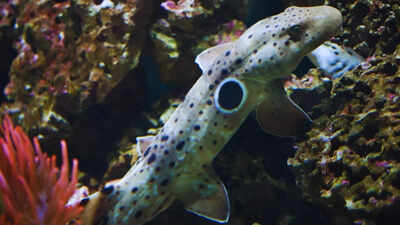
Epaulette shark in the coral reef
Along the shallow reefs and tidal flats of Australia’s northeastern coast lives one of the ocean’s most unusual residents, the epaulette shark. Small, spotted, and famously capable of “walking” across the seafloor using its fins, this remarkable shark has long fascinated divers, marine biologists, and wildlife travellers exploring the Great Barrier Reef and nearby reef systems.
However, a very recent study released within the reputable, peer-reviewed biological journal ‘Biology Open’ has thrown further light on this already fascinating species, furthering the reason why a meeting with epaulette sharks remains the highlight of a lifetime for anyone fortunate enough to explore Australian waters.Epaulette sharks are often spotted in the Queensland area, especially in shallow coral cays, reef flats, and lagoons.
Unlike most other sharks, which require continuous movement in the water in order to breathe and survive, epaulette sharks can thrive in an environment in which the level and the oxygenation of the water change drastically. At low tide, when pools shrink and oxygen drops, epaulette sharks use their strong, flexible fins to move or “walk” across the reef surface, sometimes even venturing briefly out of the water to reach new pools.
For snorkellers and divers, spotting this behaviour is one of the most memorable wildlife experiences Australia’s reefs have to offer.
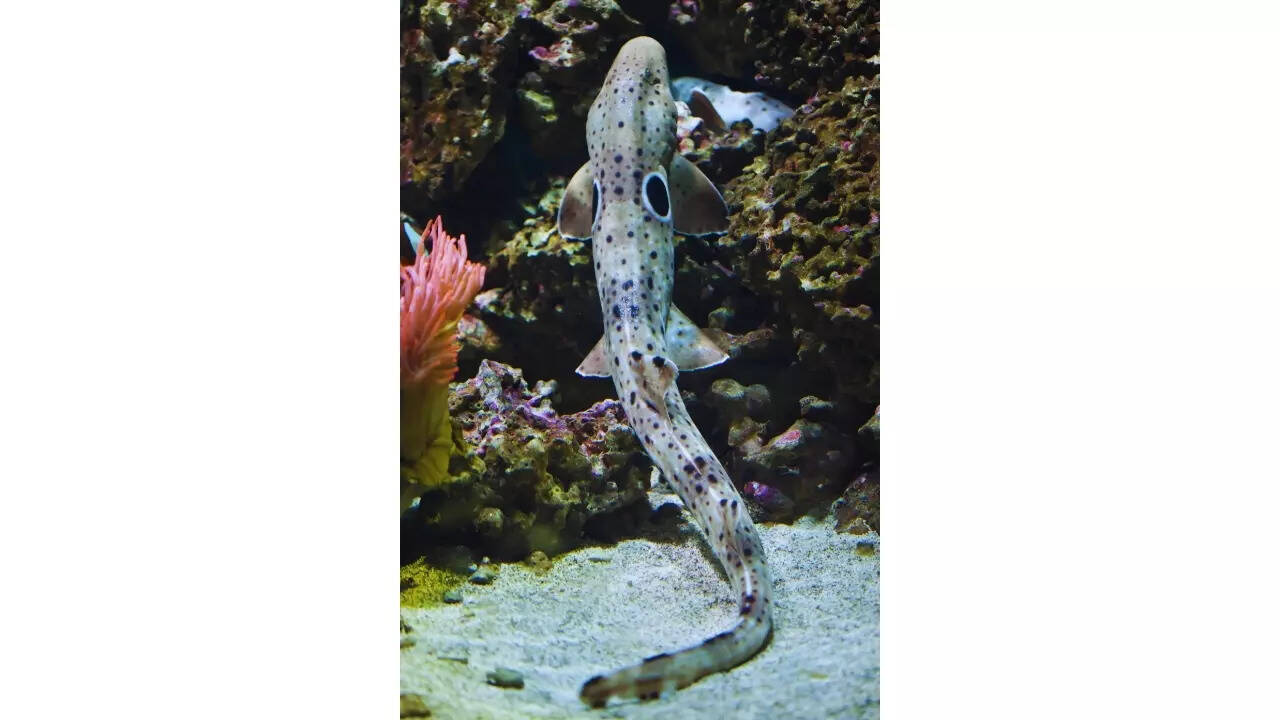
'Walking' epaulette shark
The recently conducted study focused on epaulette sharks found in Queensland and highlighted how such animals manage energy requirements throughout their lives. Although this particular study highlighted some reproductive traits of epaulette sharks, its overall implications are more significant for a tourist wanting to know more about conservation and climate adaptation.
The study clearly indicates that epaulette sharks have unique biological systems which enable them to continue reproducing normally without increasing their energy expenditure like all other animals.
This could be a major reason why epaulette sharks have managed to survive on coral reefs for such a long period of their evolutionary past.From the perspective of travellers, the resilience of these creatures makes epaulette sharks a powerful symbol of Australian marine ecosystems.
The epaulette sharks prefer shallow reefs, which are often the first places visited while snorkelling in and around islands and reefs.From the perspective of travel and exploration, epaulette sharks are generally found in areas of the Great Barrier Reef, the Capricorn and Bunker Group, as well as the reef areas around the Queensland coast. The fact that epaulette sharks live in shallow water means that divers do not require extensive skills to spot them.
As such, it is possible to catch a glimpse of an epaulette shark resting on the bottom of the ocean or taking its time to cross some reef rubble.
The epaulette shark is non-threatening to human life. In fact, they are generally docile around divers.
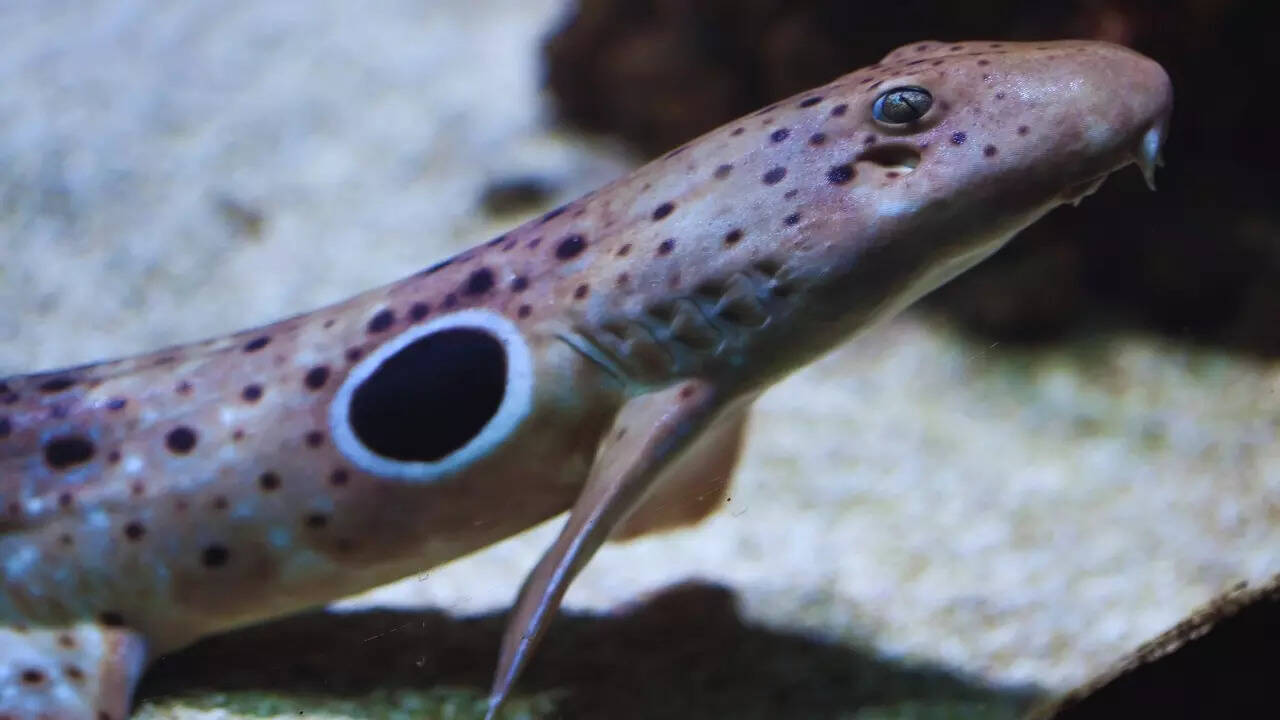
Epaulette shark
The findings of the study also have wider implications for concerned travellers looking ahead to the future of the world's coral reefs. Sharks are a crucial component of the ecosystem of the reefs since they act as regulatory agents of marine life.
Loss of the sharks would have cascading effects on the reefs and would influence the fish and biodiversity of the reefs. The adaptability of the epaulette sharks is the silver lining for a reef system which is struggling as a result of the effects of global warming.This is significant since the Great Barrier Reef is more than a natural habitat, and is one of the biggest tourism destinations. The availability of sharks in Australian reefs is essential since it directly impacts the quality of the reefs.To those tourists thinking of a trip to Queensland, the epaulette shark species is an important part of the overall experience. It raises an otherwise basic snorkeling trip into an educational opportunity for understanding evolution, adaptation, and the role of living organisms.These “walking sharks” serve to remind us that Australia's reefs are inhabited by some of the most extraordinary fauna in the world.For travellers seeking experiences that combine natural wonder, science, and conservation, few encounters are as quietly remarkable as spotting an epaulette shark gliding, or walking, across a coral reef on the Australian coast.









 English (US) ·