

 1 hour ago
6
1 hour ago
6
ARTICLE AD BOX
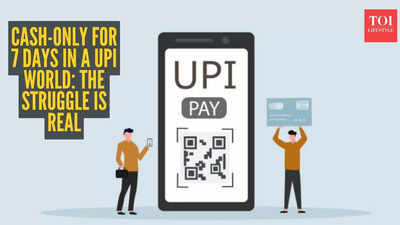
Ditching digital payments for a week in Indian cities reveals a stark dependence on UPI. Navigating commutes and retail becomes a 'chhutta' crisis, forcing awkward negotiations for change. While impulse spending curbs, cash's utility is limited to markets, highlighting a generational divide and the distinct roles of digital speed versus cash's deliberate pace.
Scan the QR code. Enter the PIN. Done. It is a reflex we barely even think about anymore. From grabbing a quick cup of street-side chai to settling a hefty weekend dinner tab, digital payments completely run the modern Indian city.
But what if someone decided to hit pause? Attempting a week-long digital detox to rely entirely on paper money reveals a lot about our current financial ecosystem - and just how deeply dependent we are on the convenience of digital wallets.
The Great 'Chhutta' Crisis
You would think stuffing a wallet with 50, 100, and 200 rupee notes would be enough preparation for a cash-only week. It isn't. The first major roadblock usually hits during the morning commute. Handing an auto-rickshaw driver a physical note for a standard fare is now routinely met with sheer disbelief. The common refrain is almost always the same: "Who carries cash anymore?"
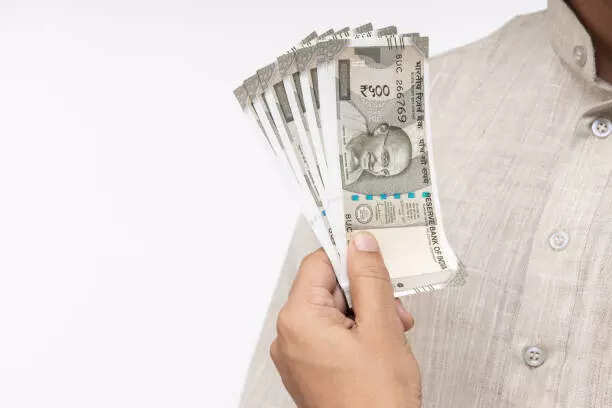
What used to be a simple, everyday transaction suddenly morphs into a chaotic negotiation for exact change. It isn't uncommon to end up in bizarre situations - like having to share a mobile hotspot with a driver just so they can get online to transfer the remaining change back to a family member's account.
Retail Roadblocks and Social Awkwardness
The friction spills right over into everyday errands. Pharmacies and local neighborhood shops, heavily conditioned to exact digital transfers, frequently run out of loose change.
This sparks regular, frustrating standoffs at the billing counter.Then there is the social aspect. Remember when splitting a restaurant bill meant pooling cash in the center of the table? Today, while everyone else clears their debts in a matter of seconds via their phones, the lone cash-payer is left awkwardly thumbing through crumpled notes to find the exact amount. At home, ordering groceries or late-night food deliveries presents another headache.
Without exact change on hand, customers are often forced to round up the bill, turning the missing change into an involuntary tip.
The Ultimate Cure for Impulse Shopping
If the inconveniences of a cash diet are massive, the payoff is surprisingly psychological. Relying exclusively on cash turns out to be a brilliant brake on impulse buying. Digital payment apps are built to be entirely frictionless, which makes it dangerously easy to overspend without feeling the pinch.
The Last Cash Havens
So, where does paper money still flow without a hitch? The local vegetable markets and large shopping malls remain the last reliable safe havens. Vegetable vendors happily accept physical notes and usually have plenty of change to spare. Interestingly, this highlights a stark generational divide. Older demographics still appreciate the tactile experience of picking out fresh produce and paying with paper, while younger consumers lean almost exclusively on app-based quick commerce, where exact cash payments are a logistical nightmare.Trying to survive entirely off the digital grid in a major urban center is practically impossible today without indirectly leaning on someone else’s digital wallet. However, the exercise proves one thing: cash and digital payments aren't really competing anymore. They just do different jobs. Digital payments offer the unmatched speed we need to navigate the daily grind, while cash acts as a highly effective, much-needed financial speedbreaker.






 English (US) ·