

 1 day ago
6
1 day ago
6
ARTICLE AD BOX
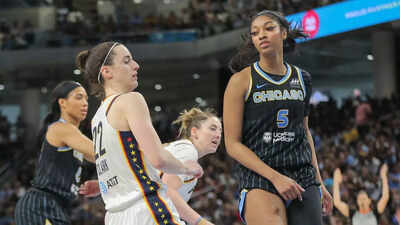
Caitlin Clark and Angel Reese. Image Credit: Melissa Tamez/ Icon Sportswire/ Getty Images
The WNBA’s labor talks have entered a decisive phase, and this time the tension is no longer confined to closed rooms. After weeks of quiet negotiations, the league publicly addressed the growing standoff with its players following a major vote that altered the bargaining landscape.
The response came quickly, teasing how high the stakes have become as the clock ticks toward the CBA deadline.As players are authorizing strike action if talks stall, the league’s statement reveals a clear shift from behind-the-scenes dialogue to a visible labor battle that could shape the future of women’s professional basketball, at least in the upcoming season. Here’s what’s happening in the negotiation process.
WNBA finally responded to WNBPA’s strike authorization vote
After the WNBPA announced Thursday that its executive committee had been authorized to call a strike “when necessary,” the WNBA issued a statement pushing back on how negotiations were being portrayed. The league said it was aware of the vote and acknowledged the players’ right to take that step, but strongly challenged the union’s framing.
“We are aware that the players have voted to authorize the WNBPA Executive Committee to call a strike if the Executive Committee decides to take that step in the future,” the statement said.
“While we acknowledge the players' right to authorize a future work stoppage, we strongly disagree with the WNBPA's characterization of the current state of negotiations, which fundamentally misrepresents the ongoing discussions taking place at the bargaining table.
”The league added that it remains committed to reaching an agreement quickly and delivering its 30th season. It also emphasized proposals that include higher salaries, improved benefits, and a new model designed to support long-term growth.
Why WNBA players vote for a strike when necessary
Players say the vote was not a call for immediate action, but a tool to protect their leverage. According to the union, 93 percent of eligible players participated, with 98 percent voting yes. “The players have spoken,” the WNBPA said (via USA TODAY Sports). “Through a decisive vote with historic participation, our membership has authorized the WNBPA’s Executive Committee to call a strike when necessary.”Union leaders describe the decision as a response to stalled progress on revenue sharing, salaries, and benefits.
Breanna Stewart warned negotiations are approaching a “standoff,” while adding, “If they're not going to budge, we're going to get to this point where we're just going to be at a standoff.”Players have also raised concerns about child care and retirement benefits.
What’s next in WNBA?
Negotiations intensified as the CBA deadline moved closer, with multiple extensions pushing the current expiration to Jan. 9, 2026. Revenue sharing quickly became the central divide.
The league has proposed a lower percentage than the union’s request, along with a salary structure that would raise the maximum base salary to $1 million in 2026 and increase minimum and average pay substantially.Despite the league’s insistence that it is negotiating in good faith, players say years of restrictive provisions have shaped their resolve. “Let it be known. The players remain united, resolute, and prepared to fight for their value and their future,” the WNBPA said.Also Read: Breanna Stewart vs Napheesa Collier: 2025-26 WNBA salary comparison, contract details, net worth and more






 English (US) ·