

 1 hour ago
3
1 hour ago
3
ARTICLE AD BOX
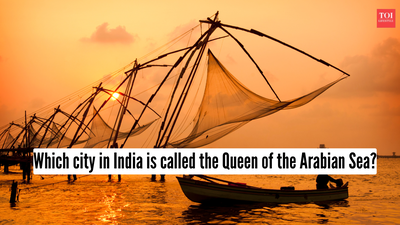
This city from the South has been historically called Cochin, and has rightfully justified the title. Any guesses? Well, the city known as the Queen of the Arabian Sea is Kochi, located on India’s southwest coast in Kerala.
It earned this regal title because of its strategic coastal location, and of course, centuries-old role as one of the most important maritime trading hubs in the Indian Ocean world. The history of Kochi ranges from the ancient spice routes to the colonial era power struggle and right up to the modern infrastructure milestones, all of which cannot be separated from the sea that gave rise to it. A port city shaped by the sea
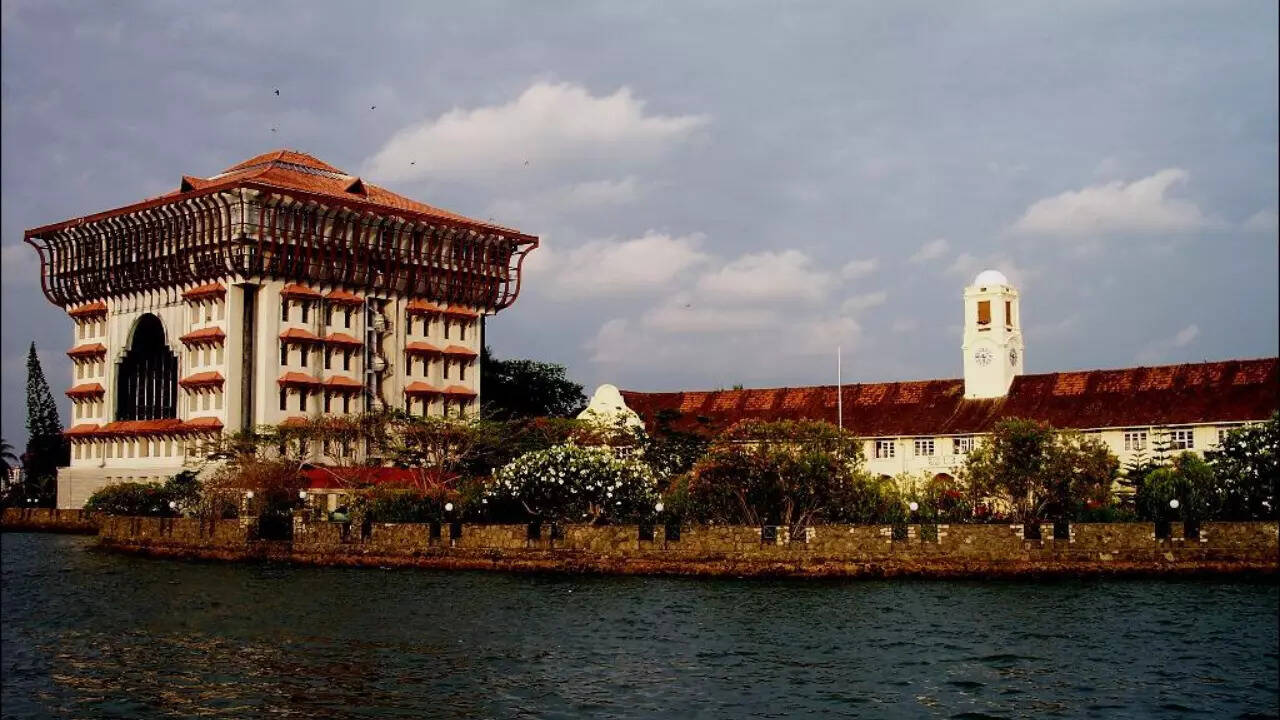
The ascent of Kochi started long before the advent of modern nation-states. Due to its protected harbour and proximity to the spice-growing Western Ghats, it became a natural gathering place for traders sailing in from Arabia, Persia, China, Africa, and later Europe. Long before the arrival of Europeans, Kerala’s coast was frequented by ships laden with pepper and other spices, connecting the area to distant markets.
The ancient port of Muziris, which is located nearby, traded with the Romans and West Asian kingdoms; Kochi inherited that maritime legacy as trade routes evolved. This continuous contact with the global world thus laid the foundation for a reputation as a gateway between East and West.Read more: What are the best souvenirs to bring back from Japan the first time? Colonial crossroads of the Arabian Sea Kochi rose to significance more recently, during the early 16th century. Here in 1503, the Portuguese founded their first colony in India and began a new phase in colonial history on the subcontinent.
The fort was a testament that it was a time of European ascendancy when European nations were completely dominating the spice trade.
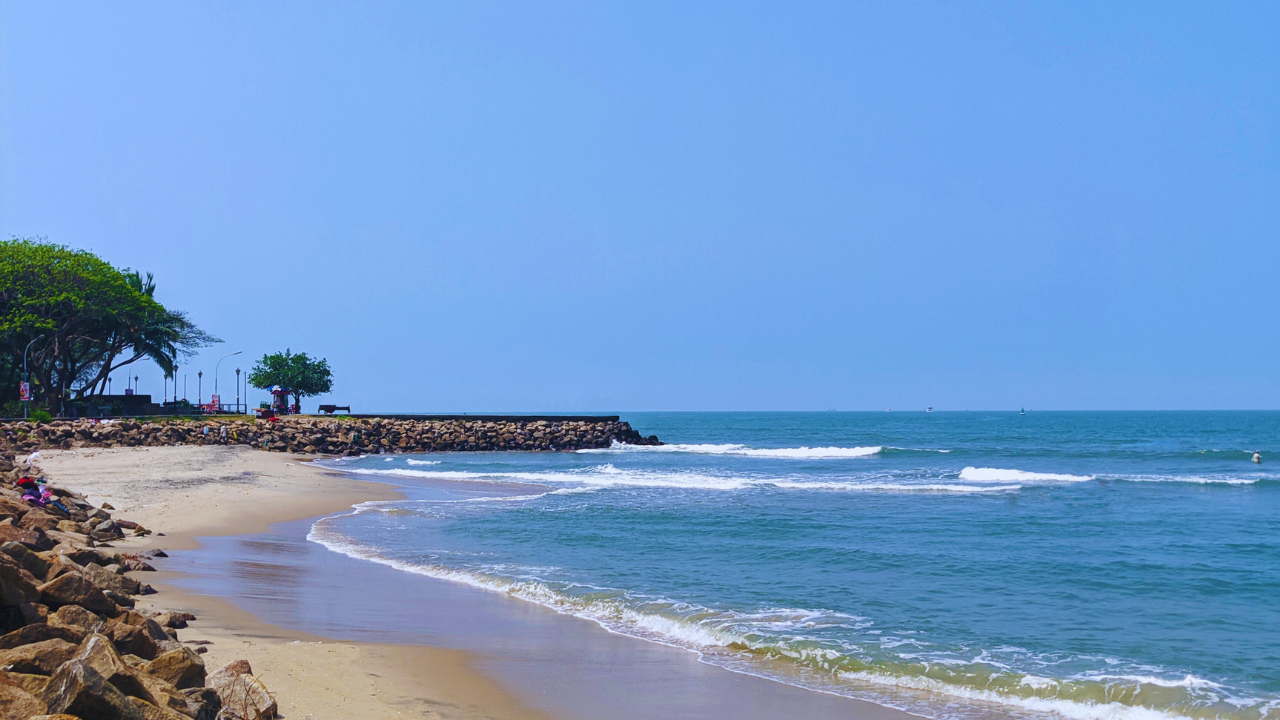
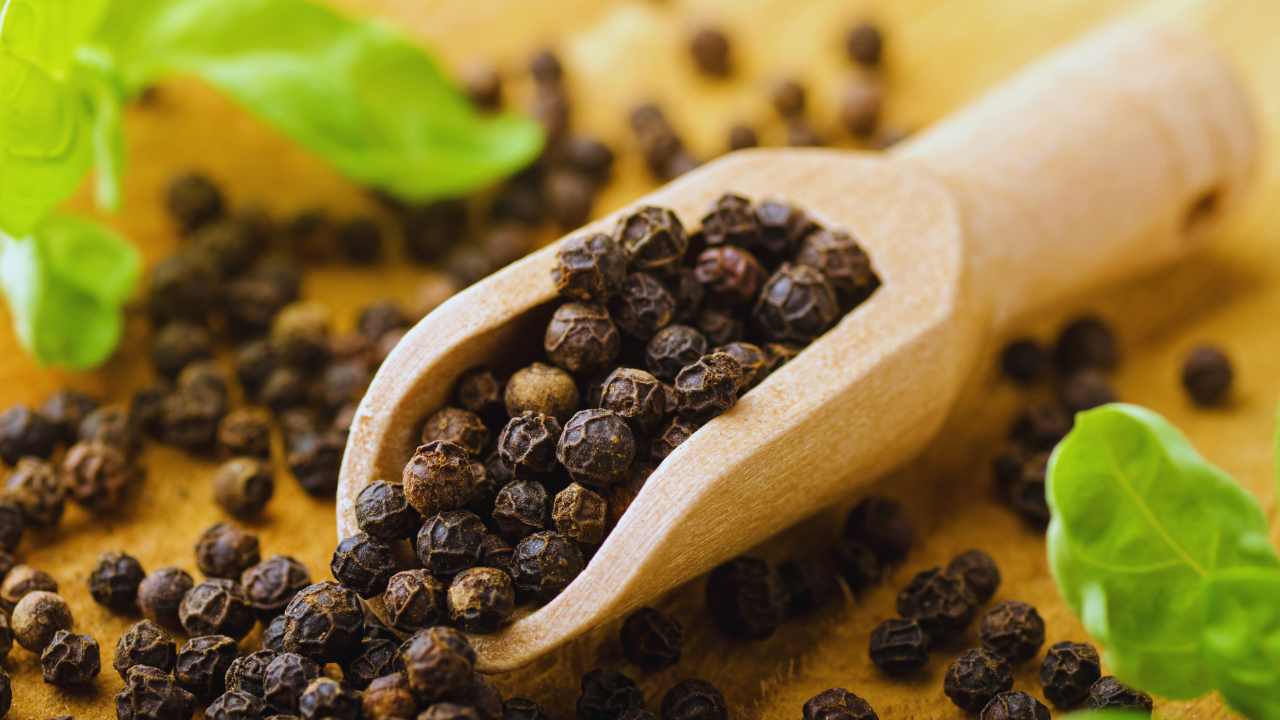
The Dutch took over in 1663, followed by British influence, while the Kingdom of Cochin continued as a princely state under British rule. Each phase left behind architectural, cultural, and administrative imprints, turning Kochi into a layered city where European churches, synagogues, mosques, and temples coexist within walking distance. Gateway to the global spice trade The royal epithet of Kochi is associated with spices. Pepper, cardamom, cinnamon, cloves and nutmeg made their way from Kerala’s hills to the docks of Kochi before being transported around the world. For centuries, love of trade connected India to Europe, the Middle East and Southeast Asia, spurring global cuisines and economies.Kerala is still the biggest producer of spices in India, providing most of the black pepper and dominating cardamom and nutmeg.
The port of Kochi was central to the export of these high-value goods, solidifying the city’s affluence and its maritime status. Appropriately, it earned Kerala the larger sobriquet of “the Spice Garden of India,” and Kochi was its strongest coastal anchor.
While rooted in history, Kochi is far from a museum city. Today, it functions as Kerala’s financial, commercial, and industrial capital. It is also home to several national and global firsts that underline its forward-looking character.The city has the only water metro system in India, an electric boat-based network linking islands and suburban areas. Cochin International Airport, the world’s first solar-powered airport, is a proof to Kochi being the driving force of sustainability through concerted infrastructure initiatives globally. The city has also experimented with seaplane service, which is another major accomplishment. Culture, tourism, and global recognition Kochi’s cultural scene is as intense and glowing as its seafaring history.
In 2012, it became home to the Kochi-Muziris Biennale, India’s first international contemporary art biennale, attracting artists and visitors from around the world. Fort Kochi’s shorelines showcase the iconic Chinese fishing nets, introduced by 14th-century Chinese traders, which are still one of the city’s most photographed sights.Read more: 5 safari gates in north Indian national parks with the highest chances of tiger sightingsKochi has made it to several international travel lists over the years. It's been featured by the likes of Lonely Planet and Condé Nast Traveller as one of Asia’s most exciting destinations, for its mix of world history, culture and cuisine, and coastal beauty.From spice ships that set sail centuries ago to solar-powered runways, Kochi has always been synonymous with the Arabian Sea – a relationship so strong that it’s probably grown out of its being called the Queen of the Arabian Sea.







 English (US) ·