

 1 hour ago
6
1 hour ago
6
ARTICLE AD BOX
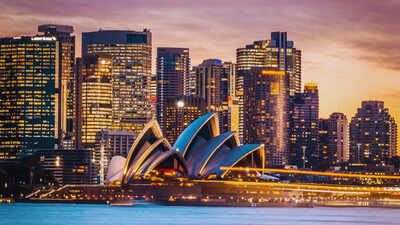
It is worth noting that there is one country in the world that meets both definitions. This country is Australia. Australia is one of the countries that can be labeled an entire continent.
Also, it is one of the very few countries in this world where December is the middle of summer instead of winter.
A country that is also a continent
Australia, or “the land Down Under,” is the only global state that occupies a whole continent. Here’s what’s more interesting: The continent of Australia is the smallest of Earth’s seven continents and is entirely a sovereign state, officially called the Commonwealth of Australia.
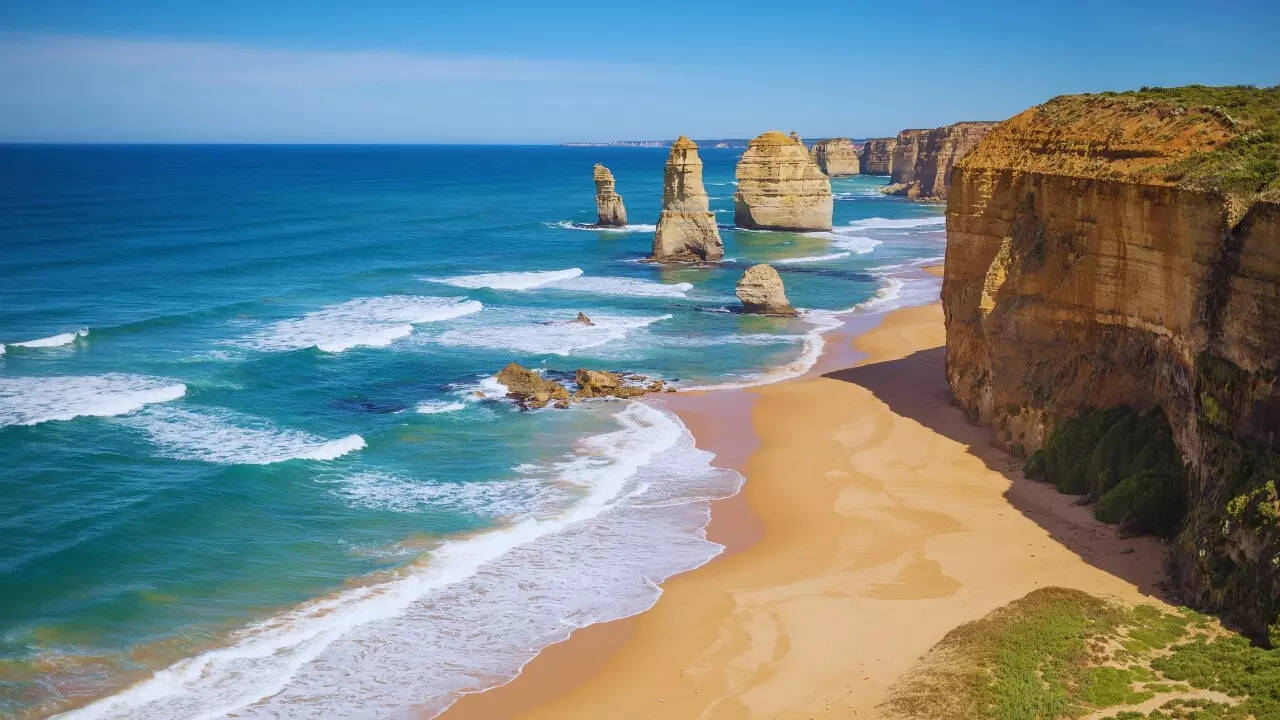
Twelve Apostles in Australia
This is unlike any other countries in the world. Continents like Europe, Asia or Africa, which are shared by dozens of countries, but the Australian landmass contains just one country.
This makes Australia unique in political geography. Interestingly, the term “continent” occasionally encompasses the entire region of Oceania.Did you know that Australia is a very ancient continent that split from the supercontinent Gondwana many years ago? How many years passed before the unusual environments and species developed? Today, this single-country continent stretches across nearly 7.7 million square kilometres, making it the sixth-largest country in the world by land area, and is home to some of the most unique wildlife in the world.
Now, the most curious…why does Australia have summer in December?
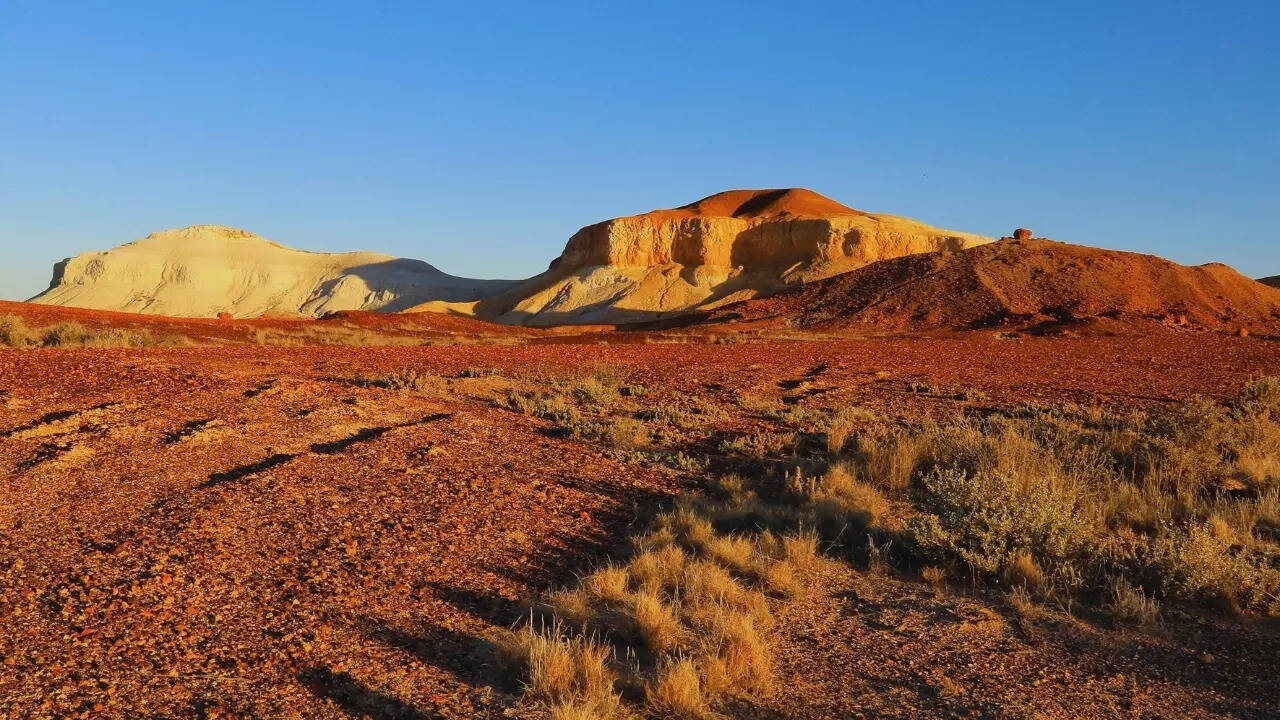
Australian Outback
Australia experiences summer in December because it lies entirely in the Southern Hemisphere. The Earth’s seasons are caused by the tilt of the planet’s axis, not by distance from the Sun. As Earth orbits the Sun, different hemispheres receive more direct sunlight at different times of the year.In December, the Southern Hemisphere is tilted towards the Sun, receiving more direct sunlight and longer daylight hours.
This produces warmer temperatures and marks the beginning of summer in countries south of the equator, including Australia, New Zealand, South Africa, Argentina and Chile. In Australia, the official summer season runs from December to February, with December marking the start of the hottest and brightest part of the year.
Yes, Australians celebrate Christmas in peak summer. For them, it’s the most wonderful time of the year, out on beaches.Meanwhile, the Northern Hemisphere is tilted away from the Sun at the same time, which is why December corresponds to winter in Europe, North America and much of Asia.
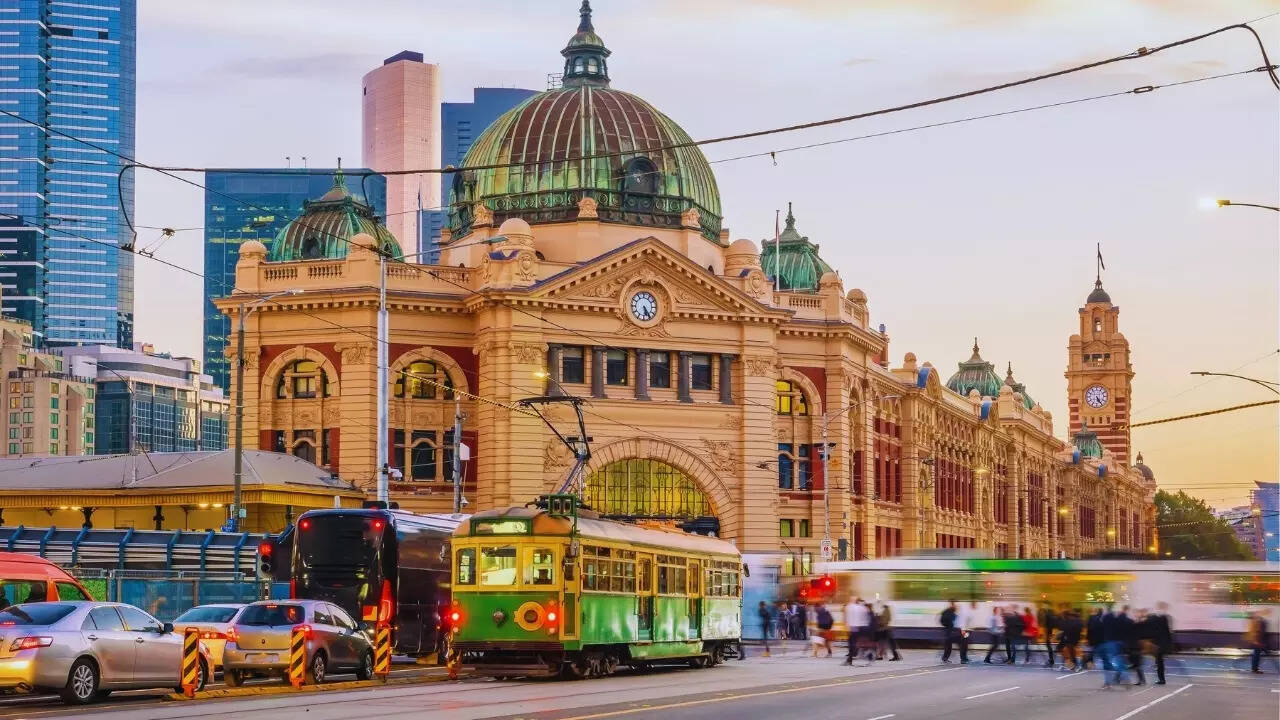
Melbourne in Australia
Australia, a continent with many climate zones
Although Australia is often associated with heat and deserts, its climate is far more varied than many people realise. It embraces the whole continent, which is characterized by various climate regions, depending on its position in terms of latitude and the presence of oceans.
- Northern Australia is situated near the Equator. It has a tropical monsoonal climate with a wet monsoonal season in summer.
- The climate of Central Australia is characterized by arid and semi-arid deserts, which witness very hot summers.
- In southern Australia, the climate is temperate, characterized by warm and cool seasons.
- Tasmania, a state located in the southern part of the mainland, has a cooler maritime climate with mild summers and cold winters.
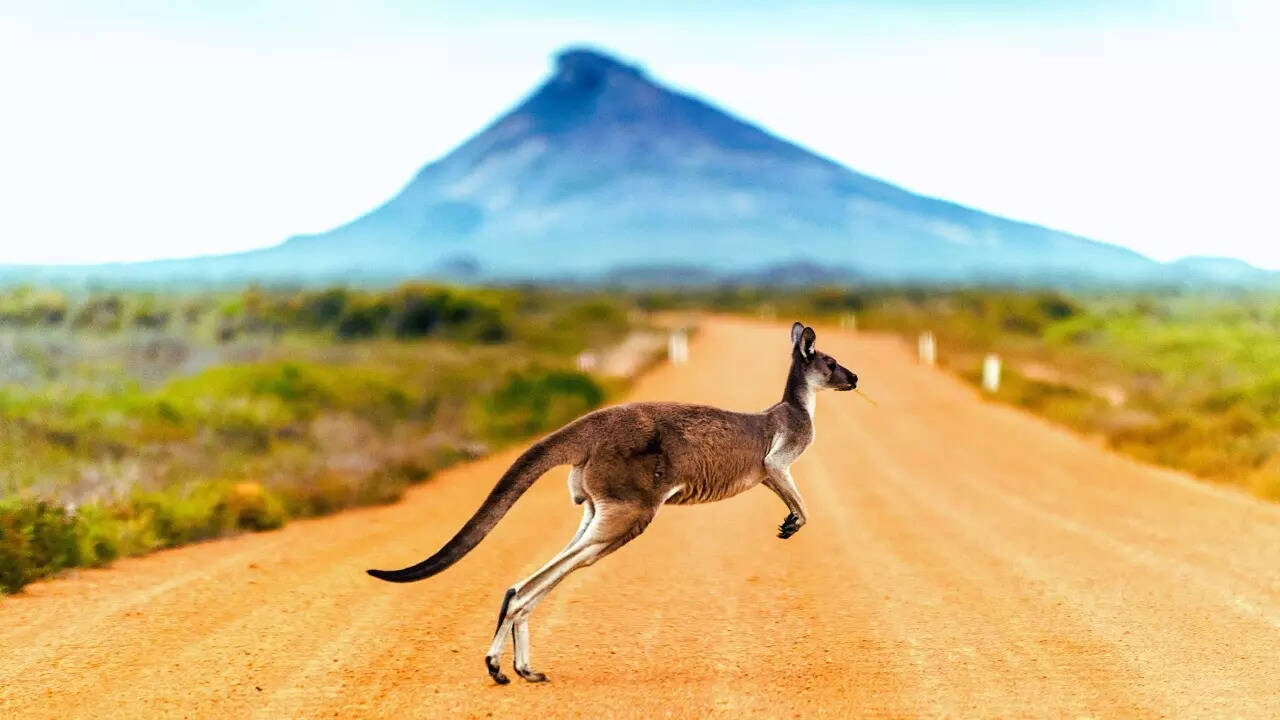
Kangaroo in Australia
Even when it’s December, there may be large variations in weather patterns throughout the country. For example, Darwin, which is found in Northern Australia, gets tropical rain and humidity, while Melbourne may get cool mornings and hot afternoons, or Tasmania may be relatively mild.
So this also means:
- Summer: December to February
- Autumn: March to May
- Winter: June to August
- Spring: September to November
This reverse effect impacts everything from school holidays and sport seasons to agriculture and tourism.It also means that, when there are snowstorms in the Northern Hemisphere, Australia can expect heat waves, bushfires, and tropical cyclones in the Northern regions of the country.
A unique identity shaped by geography
Australia’s identity as both a continent and a country has shaped its biodiversity, culture and international role. Its long isolation allowed animals such as kangaroos, koalas and platypuses to evolve nowhere else on Earth. Its position in the Southern Hemisphere gave rise to reversed seasons that continue to shape everyday life.From celebrating Christmas on the beach to hosting summer sporting events while much of the world shivers through winter, Australia’s calendar runs on a different rhythm.In every sense, political, geographical and climatic, Australia stands apart. It remains the only country that is also a continent, and one of the few places on the planet where summer begins in December, offering a reminder that seasons, like geography itself, depend entirely on where you stand on the spinning Earth.









 English (US) ·