

 11 hours ago
4
11 hours ago
4
ARTICLE AD BOX
For centuries, rivers have played a role in shaping civilisations. They carved mountains, fed plains, divided regions, and shaped the way where cities would rise and trade would flourish.
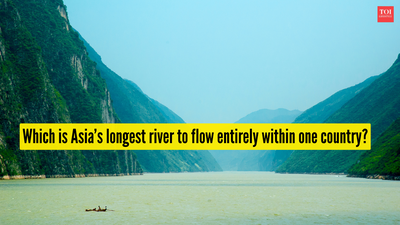
This is also one such river there long before bridges spanned its width, travellers travelled via ferries, or trains that halted at its banks. This river has been witness to dynasties rise and fall, carried goods that powered an economy, and sustained ecosystems found nowhere else on Earth. Today, it remains a backbone of industry, transport, and energy, proof that it’s also one of the world’s most influential rivers. It’s the Yangtze River that flows wholly within China, stretching for around 6,300 km, making it not only the longest river in Asia, but also one of the most significant river systems in the world. Unlike rivers like the Nile, Amazon or Danube that travel through or act as borders between a number of countries, this river’s entirety is contained within China. The river, which originates on the Tibetan Plateau and flows into the mouth of the East China Sea near Shanghai, is still an entirely domestic waterway.
This is a geographically unique fact of this river that makes it one of the world’s most prominent rivers.
Flow, scale, and monitoring
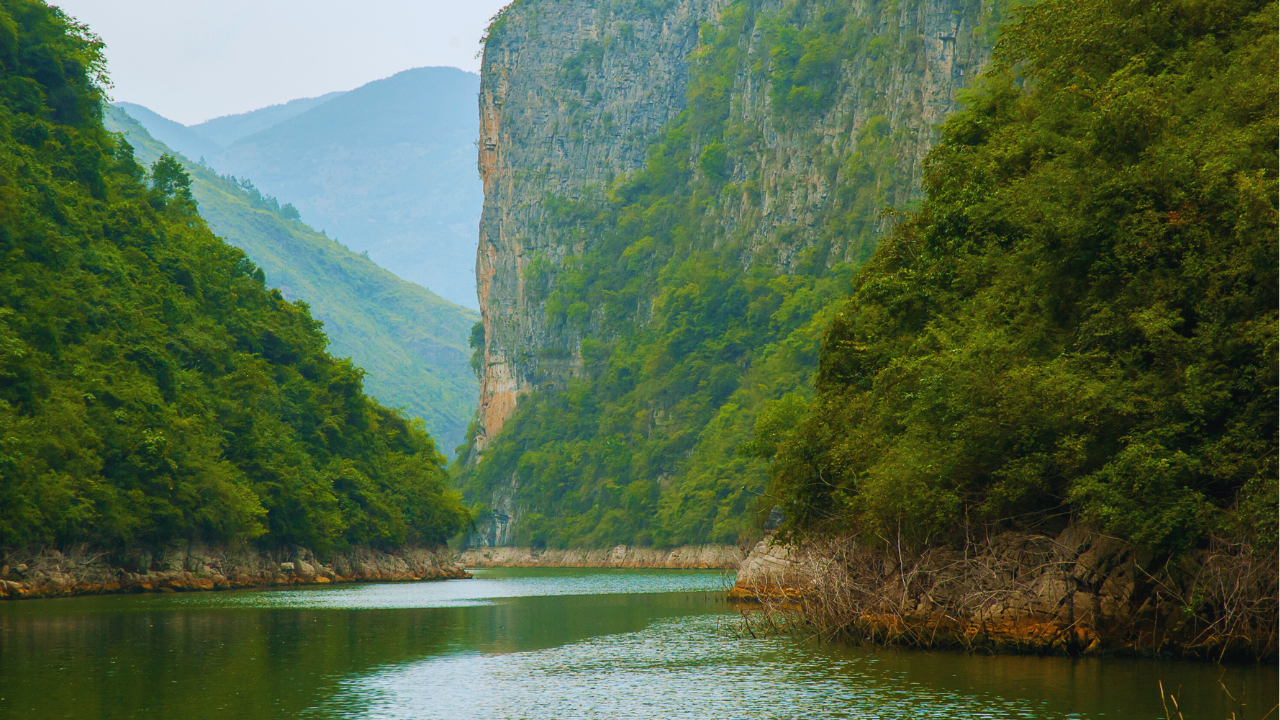
As regarding the discharge volume, the Yangtze is the fifth-largest river in the world. Its estuary, between 1955 and 2021, maintained an estimated average annual flow rate of around 995.8 cubic kilometres per year (or around 31,550 cubic metres a second). The river is gauged at Datong, the last gauging station before reaching the estuary, which is regularly monitored here.
History and key details
The Yangtze River served as a major geographical barrier between north and south China for 4,000 years. Prior to the mid-20th century, no bridges crossed the river between Yibin and Shanghai, except for a few in the mountains of Sichuan; this would make it very difficult to cross the great Yangtze, but ferries were used when necessary. Train passengers used to get off, cross the river by steam ferry and pick up their journey on the other bank.
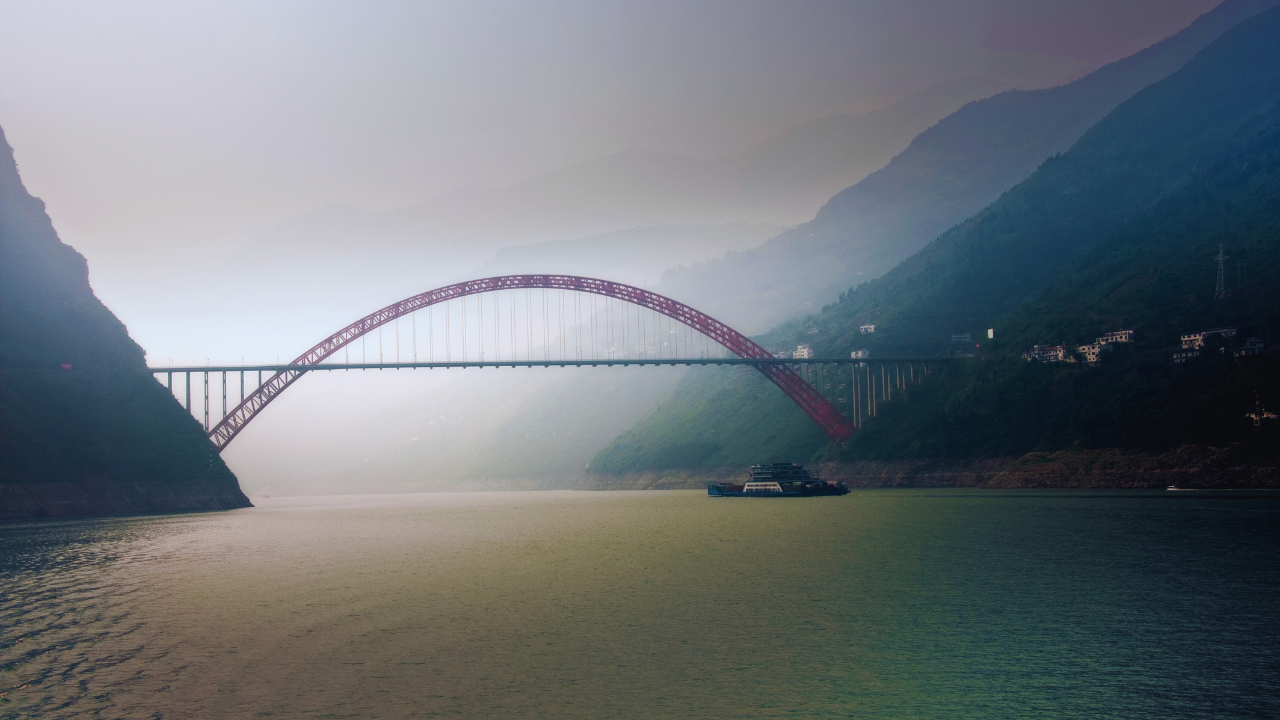
This changed after 1949. First bridge The Wuhan Yangtze River Bridge is the first bridge built over the Yangtze River, and opened to traffic in 1957 after the project was completed with help of Soviet specialists. This was followed by key crossings in Chongqing and Nanjing that made the Yangtze, which had long been a barrier, into a “backbone” of national communication.
Ecological significance and environmental stress
The expansive array of ecosystems in the Yangtze basin is inhabited by countless endemic species, such as Chinese alligator and finless porpoise.
It also served as the dwelling place of extinct Yangtze river dolphin (baiji) and Chinese paddlefish.
But rapid industrialisation has taken its toll on the river. Industrial pollution, agricultural runoff, plastic pollution, siltation and the loss of wetlands have polluted water quality and increased risk of flooding. However, some parts of the river have been made protected zones, like a stretch of the upper reaches that are part of the Three Parallel Rivers of Yunnan Protected Areas, a UNESCO World Heritage Site.
Economic and cultural lifeline
Few rivers have done more to mold a civilisation than the Yangtze has made China. For millennia, it has nurtured irrigation, transportation, trade, sanitation and industry. Today, the Yangtze River Delta alone accounts for approximately one-fifth of China’s land area, which also highlights the river’s economic significance. It is also the site of the world’s biggest hydroelectric power station at Three Gorges Dam. In addition to power generation, the dam is a hub for flood control and navigation, but also raised concerns about its implications on environment and society.









 English (US) ·