

 1 hour ago
3
1 hour ago
3
ARTICLE AD BOX
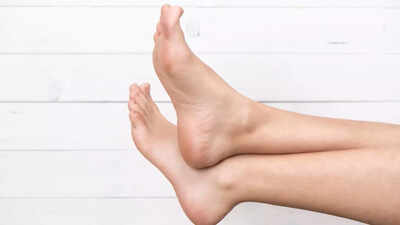
Hard, thick skin on the feet is a typical physical change; nonetheless, it often develops silently and gradually, so people do not notice it until they feel discomfort. The soles receive an enormous amount of pressure due to walking, standing and wearing shoes, which is why they are very sensitive to mechanical stress.
As today's lifestyles are more and more characterised by standing for a long time, walking on a hard floor, and limited foot movement, doctors are witnessing the pronounced changes in the skin of the feet of different age groups, which in turn leads to their texture. These visible changes are not accidental. They signify the skin's ability to change, protect, and sometimes support the rest of the body that is under strain.
Knowing why foot skin becomes thicker gives you an idea of how the body reacts to the same kind of stress over and over, and what these skin changes are indirectly telling you.
Early signs of hardened skin on feet and how to spot them
Hard skin on the feet is seldom of a sudden origin. Normally, it starts with insignificant textural changes that grow slowly with the continuance of pressure and friction. In the beginning, the skin may be less elastic, a little bit rough, or uneven in feel, especially after a long walk or standing.
These changes usually occur in the areas carrying the body weight, such as the heels, the balls of the feet, or the sides of the toes.
The study published in the Journal of Foot and Ankle Research points out that even in the early stages of thickening, there is a correlation between the skin being less hydrated and more stiff at a microscopic level, and this happens long before the development of visible calluses.
- Localised dryness that does not improve with routine moisturising
- Skin that feels firmer or less elastic than the surrounding areas
- Mild discolouration, often yellowish or dull in tone
- A rough texture noticeable when running fingers across the sole
- Sensation of pressure or tightness during walking
Common causes of thick and hard foot skin
The main reason for the development of thick skin on the feet is the repeated mechanical stress.
When the skin is subjected to continuous pressure or friction, it reacts by increasing the production of keratin within the skin, the protein that gives the skin its strength. This reaction results in a thicker skin layer being formed that is meant to be the protective layer for the deeper parts of the body. Footwear is very influential, especially the shoes that are not well cushioned, are of the wrong size, or force unnatural movement patterns.
Besides that, factors inside the body, such as lack of hydration, slow cell turnover, and changes related to ageing, also affect how well the skin gets rid of the extra layers.
- Prolonged standing or walking on hard surfaces
- Shoes that are tight, rigid, or lack shock absorption
- Repetitive impact from running or high-intensity activity
- Age-related slowing of natural skin renewal
- Reduced skin hydration and oil production
What thick foot skin might be signalling about your body
Although thickening is generally a protective measure, its continuous presence is an indication that the feet are compensating for some kind of strain beneath. The formation of uneven calluses may be caused by changes in gait, weight distribution, or even posture.
There are instances when excess hard skin is a sign that specific areas of the body are taking more pressure than they should, and as a result, joints, tendons, or soft tissues underneath may get stressed.
Moreover, thickened skin could be a sign of the circulation becoming less efficient or that the skin's moisture barrier is damaged - both of these factors, if left for a long time, will make the skin less resilient.
- Ongoing mechanical overload in specific foot regions
- Gait or posture changes affecting weight distribution
- Reduced flexibility of the skin barrier
- Early signs of circulatory inefficiency in the feet
- Increased vulnerability to skin splitting under stress
What happens if thick foot skin is left untreated
When the hard skin continues to accumulate without any interference, the role it plays in protection may turn out to be very unhelpful.
The thicker the skin becomes, the less flexible it is, which makes it crack under pressure more easily. The cracks may, later on, go beyond the deeper layers; thus, the area will be painful and also more prone to getting infected. Thickened skin can, in addition, mute the sensory input which comes from the soles, and very gradually this can have an impact on balance and walking proficiency.
With time, the discomfort may also lead to changes in the way one moves; thus, the feet, as well as the ankles, knees, and hips, may become overloaded with extra work.
- Development of painful cracks, particularly around the heels
- Increased risk of skin breakdown and infection
- Reduced tactile sensitivity affecting balance
- Persistent discomfort during walking or standing
- Secondary strain on joints due to altered gait
Practical tips to keep foot skin healthy and flexible
The treatment of hard skin consists of actions that help the skin to naturally regenerate rather than make it lose its protective layer completely. The hydration level will be increased when moisturising is done properly, and this is what will bring back the skin's flexibility as well as make the shedding of the excess keratin layer more effective. The reduction of friction, as well as the change of pressure points, is a way of giving the skin fewer signals that are the causes of its excessive thickening.
The continuous work on this matter gives the skin a chance to change back its reaction, and hence it will still be strong but not stiff.
- Use moisturisers that improve water retention in the skin
- Choose footwear with cushioning and proper support
- Avoid prolonged exposure to rigid or abrasive surfaces
- Allow feet regular rest from restrictive shoes
- Address discomfort early to prevent excessive thickening
Also Read | Serious health risks of ignoring ankle swelling: Common underlying causes and treatment








 English (US) ·