

 1 hour ago
3
1 hour ago
3
ARTICLE AD BOX

The Flu Is Spreading Fast This Winter: Here’s How to Stay One Step Ahead
The holiday season has kickstarted and with families gathering indoors, health experts are raising the alarm about a significant rise in seasonal flu that could make this winter one of the toughest in recent years.
Flu cases, especially in parts of the US and abroad, have begun climbing sharply as people travel, socialise and spend more time in enclosed spaces, creating perfect conditions for influenza viruses and other respiratory pathogens to spread.
Why flu is a bigger concern this holiday season
In several regions, health authorities are already reporting increasing numbers of flu cases and hospital admissions, particularly among children and older adults, groups known to be at higher risk for severe complications.
Flu activity typically peaks between December and February and because influenza viruses spread more easily in colder months, doctors are urging people to take the threat seriously.

Holiday Flu Surge: What’s Driving It and How to Protect Your Family
At the same time, struggling health systems that are already under pressure from norovirus and Covid-19 cases, are warning that even mild flu outbreaks can add strain during peak holiday travel and family gatherings.
Flu prevention tips
Health experts including authorities like the Centers for Disease Control and Prevention (CDC) and World Health Organization (WHO) say that the best way to protect yourself and your loved ones this season is with proven public health strategies -
- Get the Flu Vaccine, It’s the Cornerstone of Protection: The CDC strongly recommends that everyone 6 months and older receive an annual flu shot, especially before or during flu season. Vaccination not only helps prevent infection but also reduces the severity of illness if you do get sick. The WHO similarly stresses the importance of getting vaccinated, particularly for high-risk groups such as older adults, individuals with chronic medical conditions, pregnant women and healthcare workers. It can take about two weeks after vaccination for your body to build full protection, so getting vaccinated early can give you an edge before holiday gatherings.
- Practise Everyday Preventive Actions: Even with vaccination, good hygiene and behavioural habits help stop the spread of flu and other respiratory viruses. CDC suggests to wash your hands often with soap and water (especially after coughing, sneezing or being in public places), cover coughs and sneezes with a tissue or your elbow, avoid close contact with sick people and stay home if you are ill to protect others, wear a mask in crowded indoor settings or if you are sick, to reduce transmission and improve indoor air quality with ventilation where possible. These everyday actions, simple yet powerful, are key to reducing flu spread during high-transmission periods like holiday travel and social events.
- Seek Treatment If You Get Sick: If you or a loved one develops flu symptoms (fever, cough, sore throat, body aches, fatigue), the CDC notes that antiviral medications prescribed within the first 48 hours can lessen symptoms and shorten illness duration. Discuss treatment options with your healthcare provider if you are at higher risk for complications. Most healthy adults can manage flu at home with rest, fluids and symptom care, but high-risk individuals should contact a doctor promptly.
Why it matters this season
Flu viruses thrive in winter conditions due to close indoor contact, holiday gatherings, travel and colder drier air that contribute to transmission.
This not only increases individual risk but can strain healthcare resources, especially when flu overlaps with other seasonal illnesses like Covid-19 and norovirus.
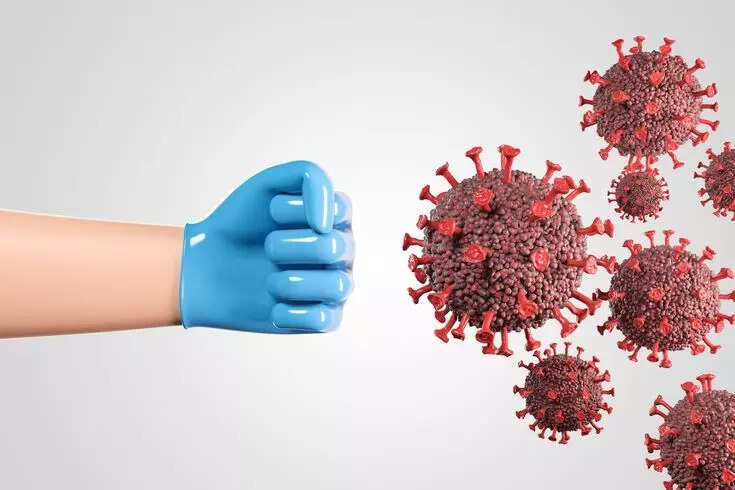
Holiday Flu Surge: Experts Warn of Tough Winter, Urge Vaccination and Prevention
By combining vaccination, hygiene habits and sensible behaviour like staying home when sick, families can enjoy a healthier holiday and reduce the burden of flu on communities and healthcare systems.
Bottom line
Seasonal influenza is not just a “common cold”, it is a serious respiratory disease that peaks during the holidays, particularly this year as case counts rise.
The CDC and WHO agree that flu vaccination, good hygiene and responsible behaviour are your best defences. Getting vaccinated, washing hands, avoiding close contact with the ill, covering coughs and seeking care promptly if sick can protect you and those around you this winter.
Stay smart, stay safe and make your health priority number one this festive season because a healthier holiday is the best gift of all.Note: The information provided in this article is for educational purposes only and is not intended as medical advice. Always consult with a qualified healthcare professional before starting any new medication or treatment and before changing your diet or supplement regimen.









 English (US) ·