

 1 hour ago
3
1 hour ago
3
ARTICLE AD BOX
Last Updated:July 04, 2026, 14:30 IST
From the deserts of Rajasthan to the cold valleys of Ladakh, discover the 10 places in India that receive the lowest annual rainfall.
While much of India eagerly awaits the monsoon each year, some parts of the country receive very little rainfall. These arid and semi-arid regions are known for their vast deserts, unique landscapes, and extreme weather conditions. From the salt flats of Gujarat to the cold deserts of Ladakh, these destinations experience some of the lowest annual rainfall in India.
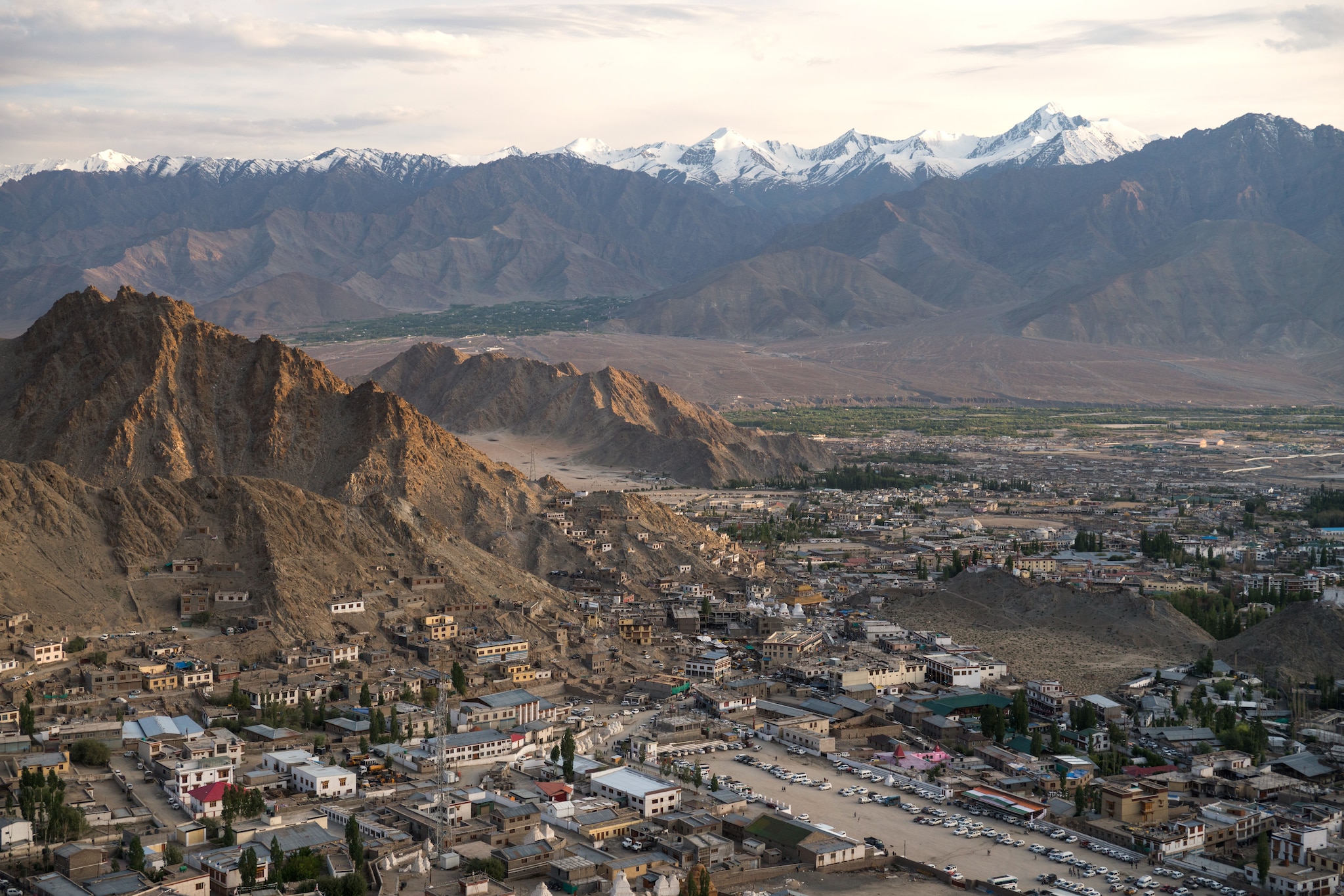
Leh, Ladakh
Nestled in the Himalayas, Leh is one of the driest places in India. Protected by the Himalayan ranges, it lies in a rain-shadow region and receives only around 100 mm of rainfall annually. Despite the lack of rain, its dramatic mountains, monasteries, and clear blue skies attract travellers from around the world. (Image: Pexels)
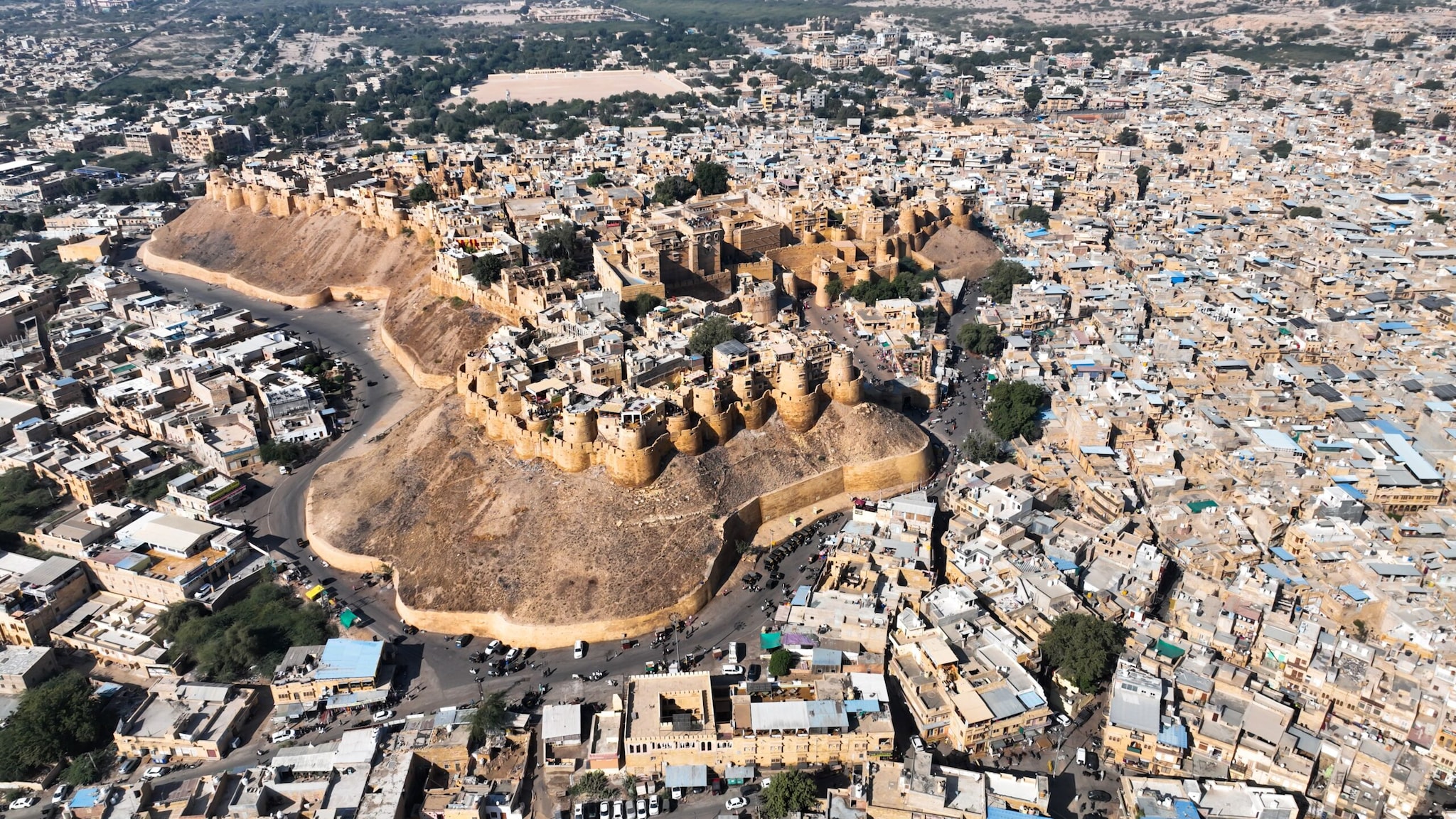
Jaisalmer, Rajasthan
Known as the Golden City, Jaisalmer lies deep within the Thar Desert and receives only about 150-170 mm of rainfall each year. Its golden sandstone fort, sand dunes, and desert safaris make it one of Rajasthan's most popular tourist destinations. (Image: Pexels)
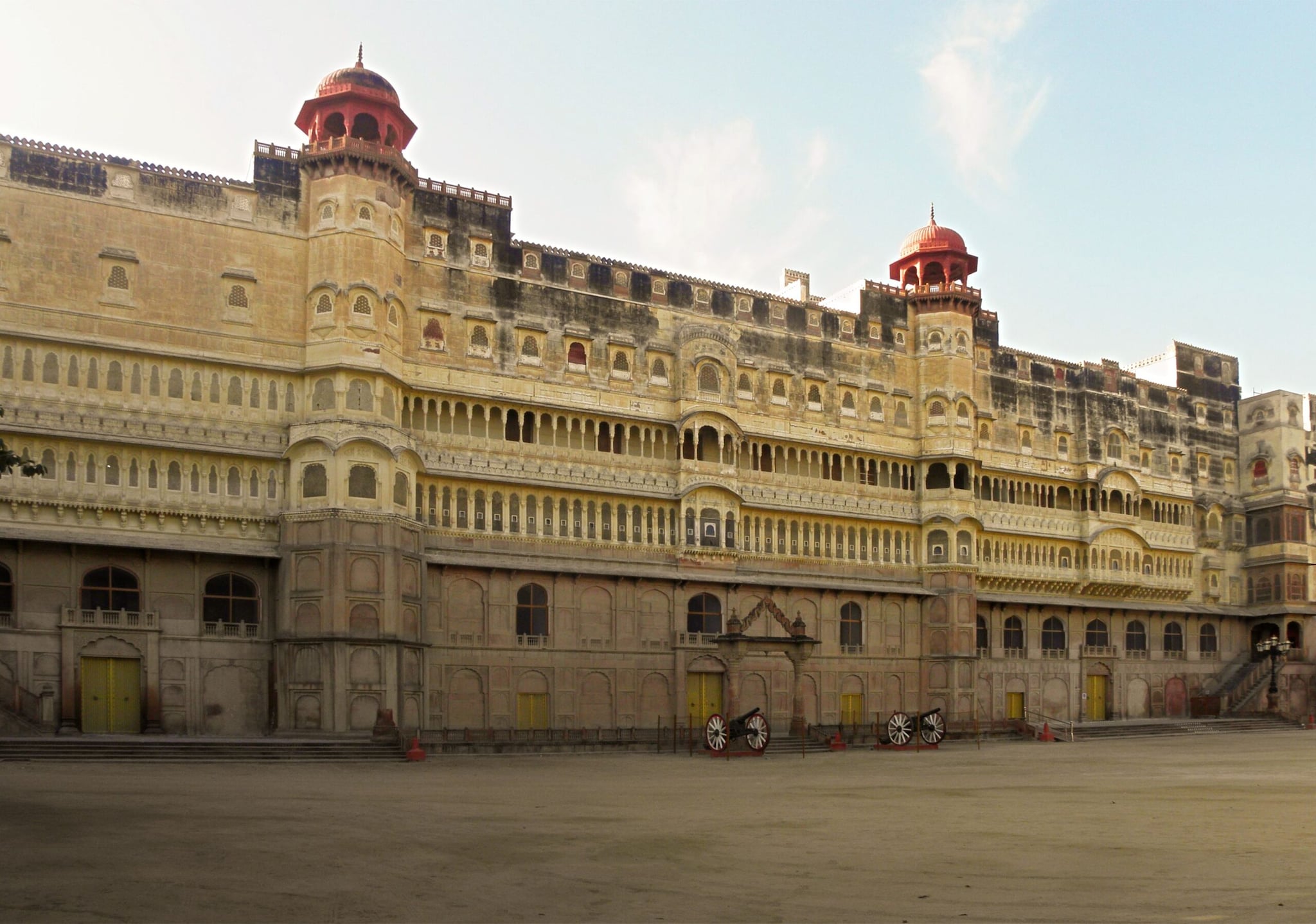
Bikaner, Rajasthan
Bikaner experiences a hot desert climate with annual rainfall averaging around 250-300 mm. The city is famous for its historic forts, camel breeding farm, and vibrant desert festivals. (Image: Pexels)
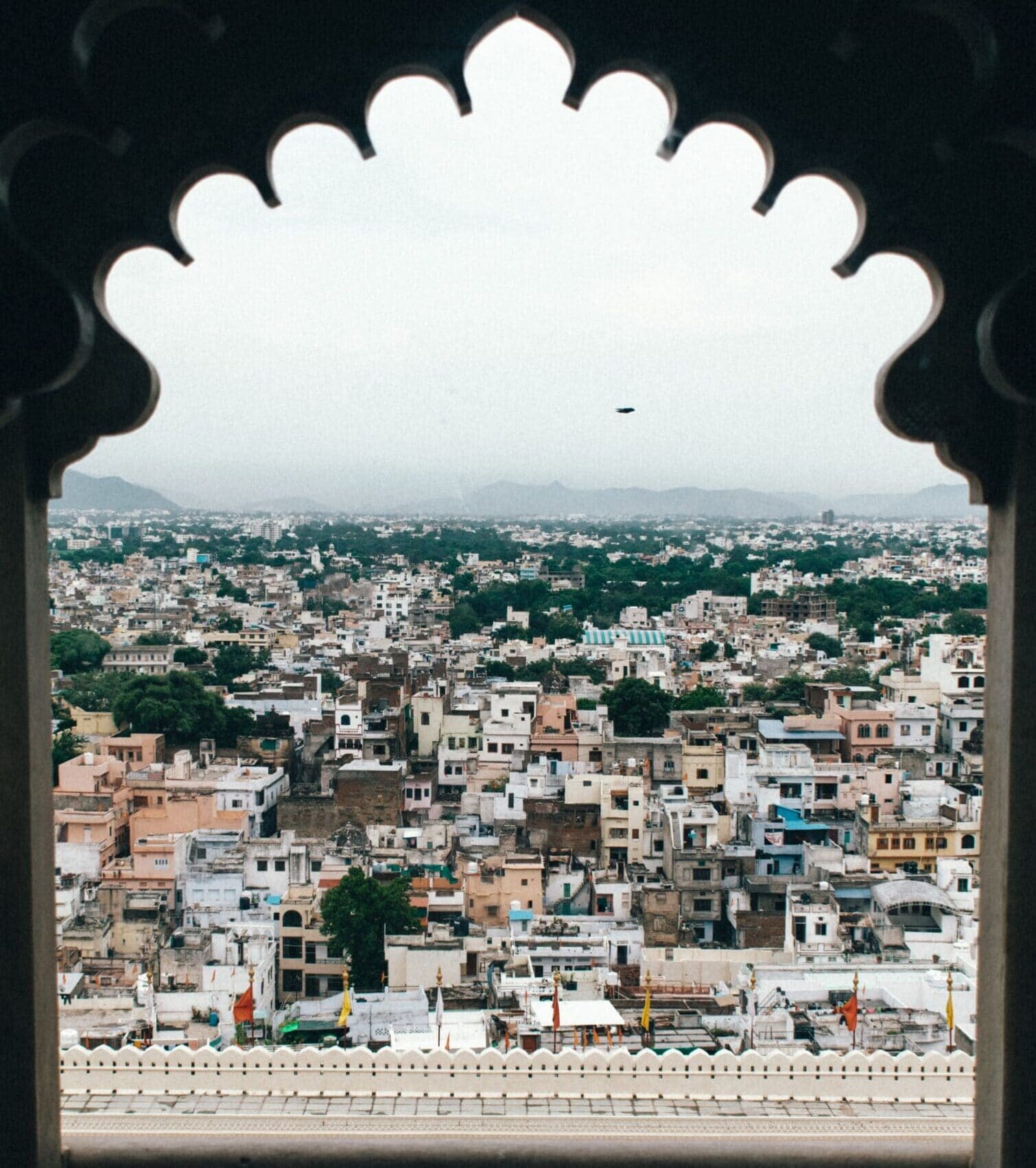
Barmer, Rajasthan
Located near the India-Pakistan border, Barmer is another desert district with annual rainfall of roughly 270 mm. The region is known for its colourful handicrafts, traditional folk culture, and expansive desert scenery. (Image: Pexels)
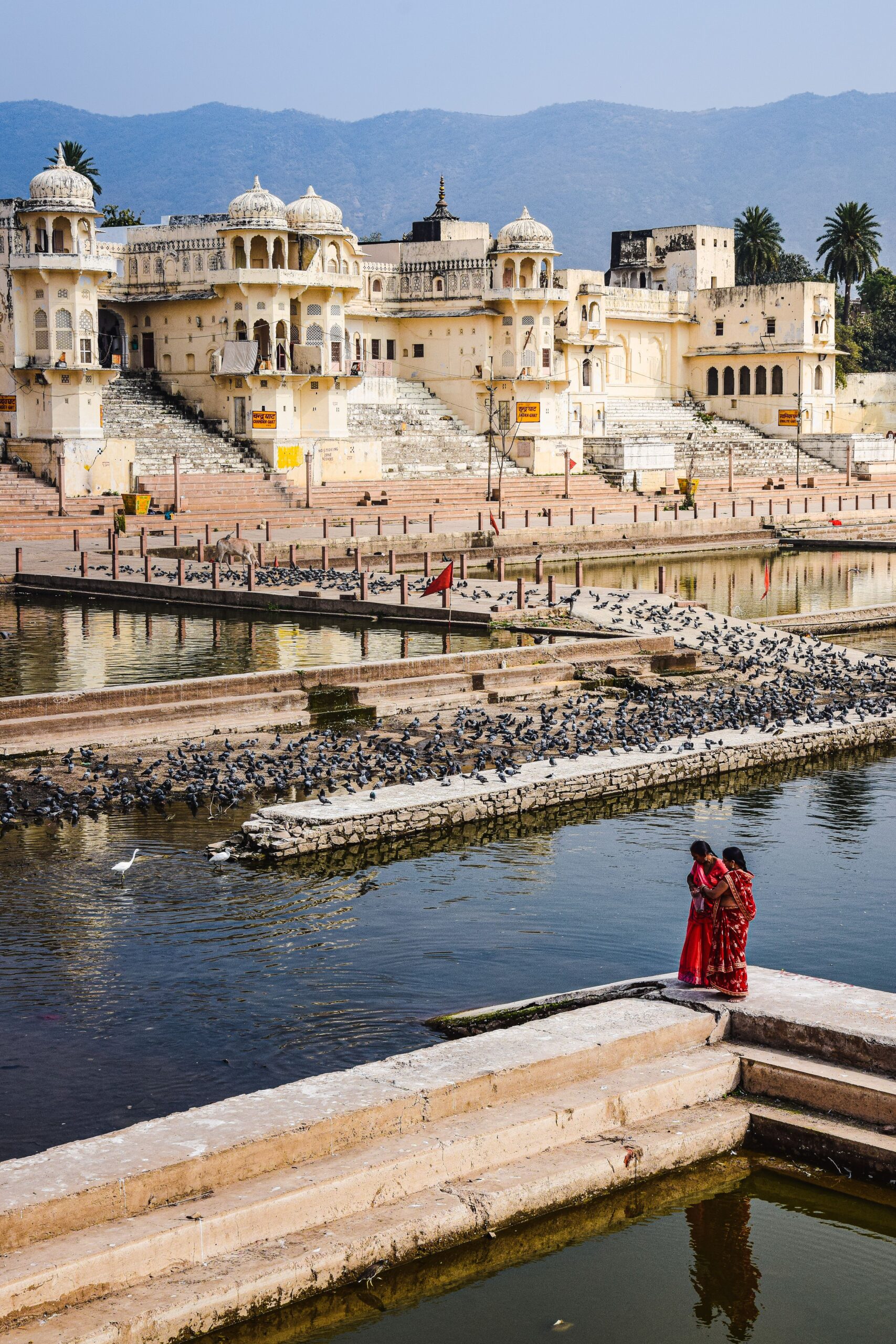
Phalodi, Rajasthan
Often recognised as one of India's hottest towns, Phalodi receives only about 250 mm of rainfall annually. The town is also a gateway to the Thar Desert and is famous for birdwatching around nearby wetlands during winter. (Image: Pexels)
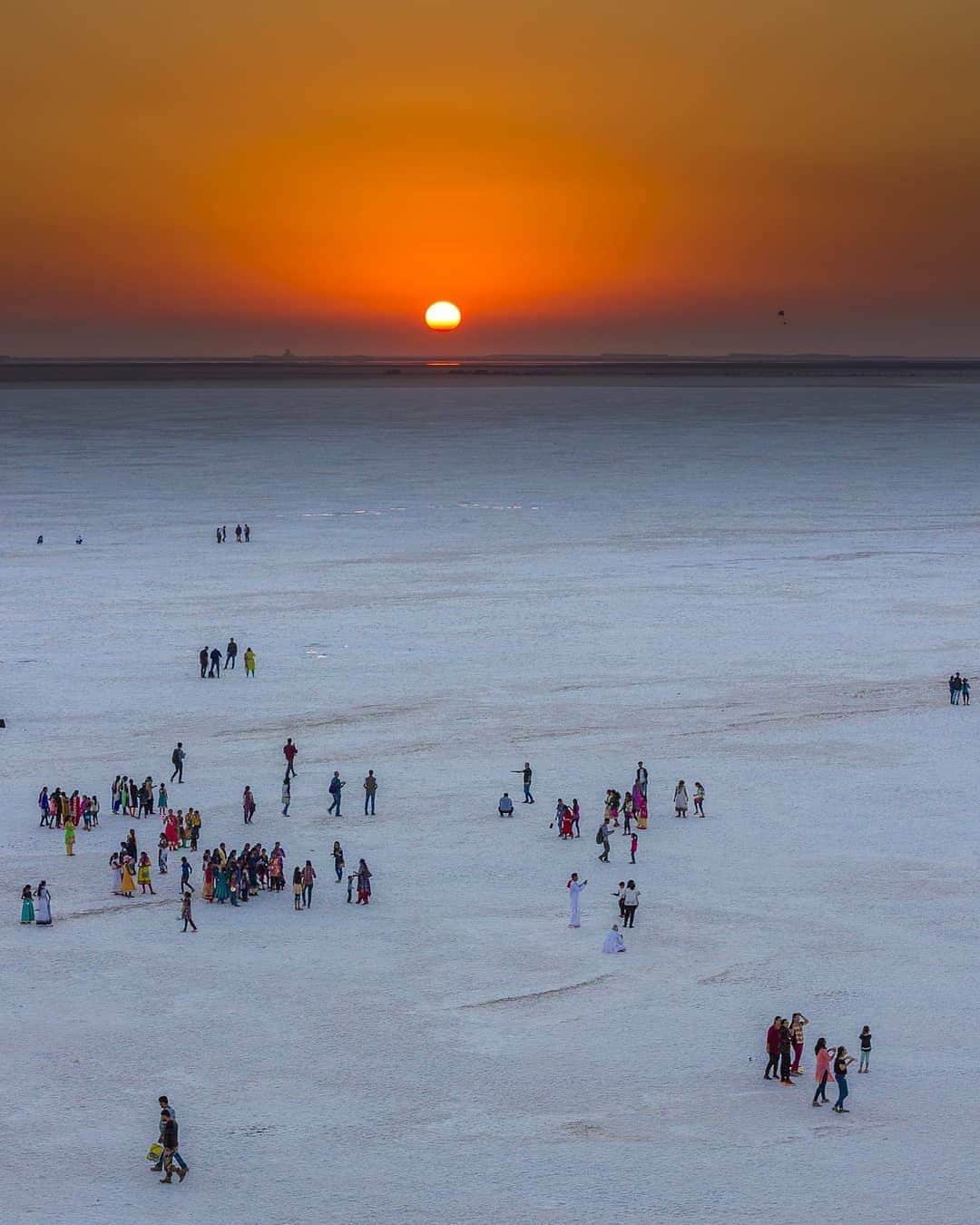
Kutch, Gujarat
The Kutch region, particularly around the Great Rann of Kutch, receives around 300-350 mm of rainfall each year. The spectacular white salt desert, especially during the Rann Utsav, attracts thousands of visitors annually. (Image: Pinterest)
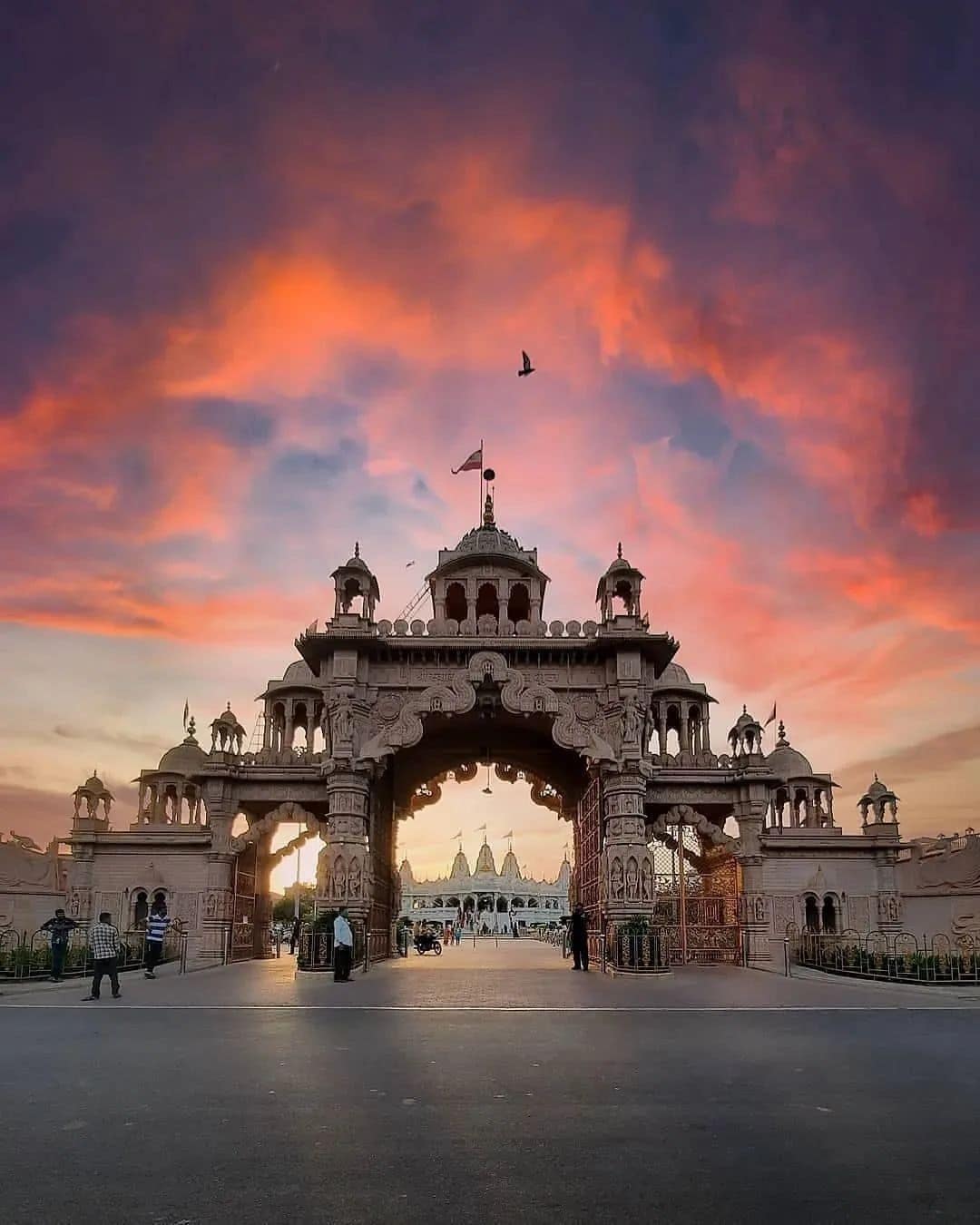
Bhuj, Gujarat
Bhuj has a dry climate for most of the year, receiving approximately 350-400 mm of annual rainfall. It serves as the cultural hub of Kutch and is known for its crafts, palaces, and heritage sites. (Image: Pinterest)
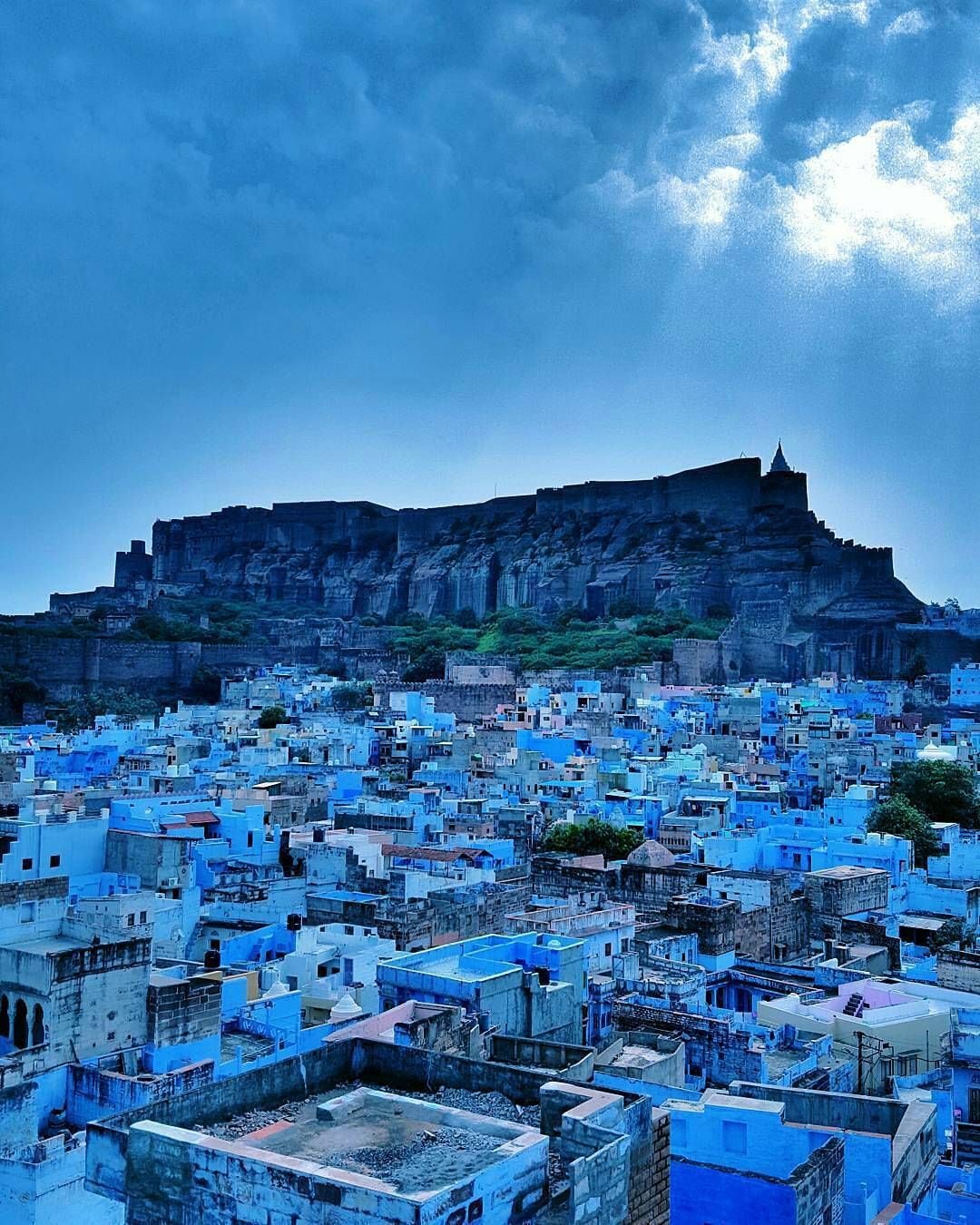
Jodhpur, Rajasthan
Popularly called the Blue City, Jodhpur receives around 350-400 mm of rainfall annually. Despite its dry climate, it remains one of India's most visited heritage cities, thanks to Mehrangarh Fort and its vibrant old town. (Image: Pinterest)
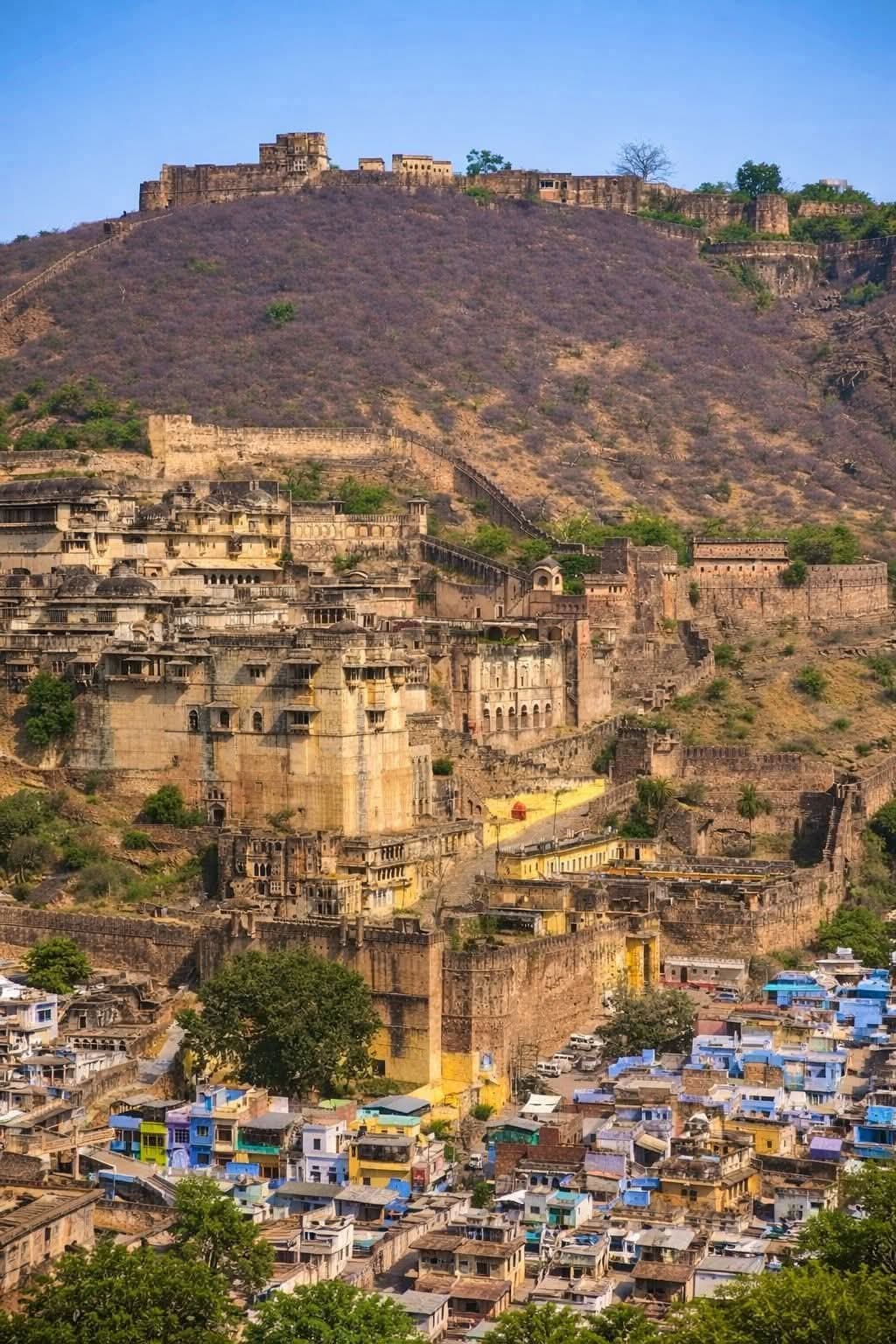
Hanumangarh, Rajasthan
Situated in northern Rajasthan, Hanumangarh receives roughly 250-300 mm of rainfall each year. Agriculture here relies heavily on irrigation from the Indira Gandhi Canal due to the region's naturally dry conditions. (Image: Pinterest)
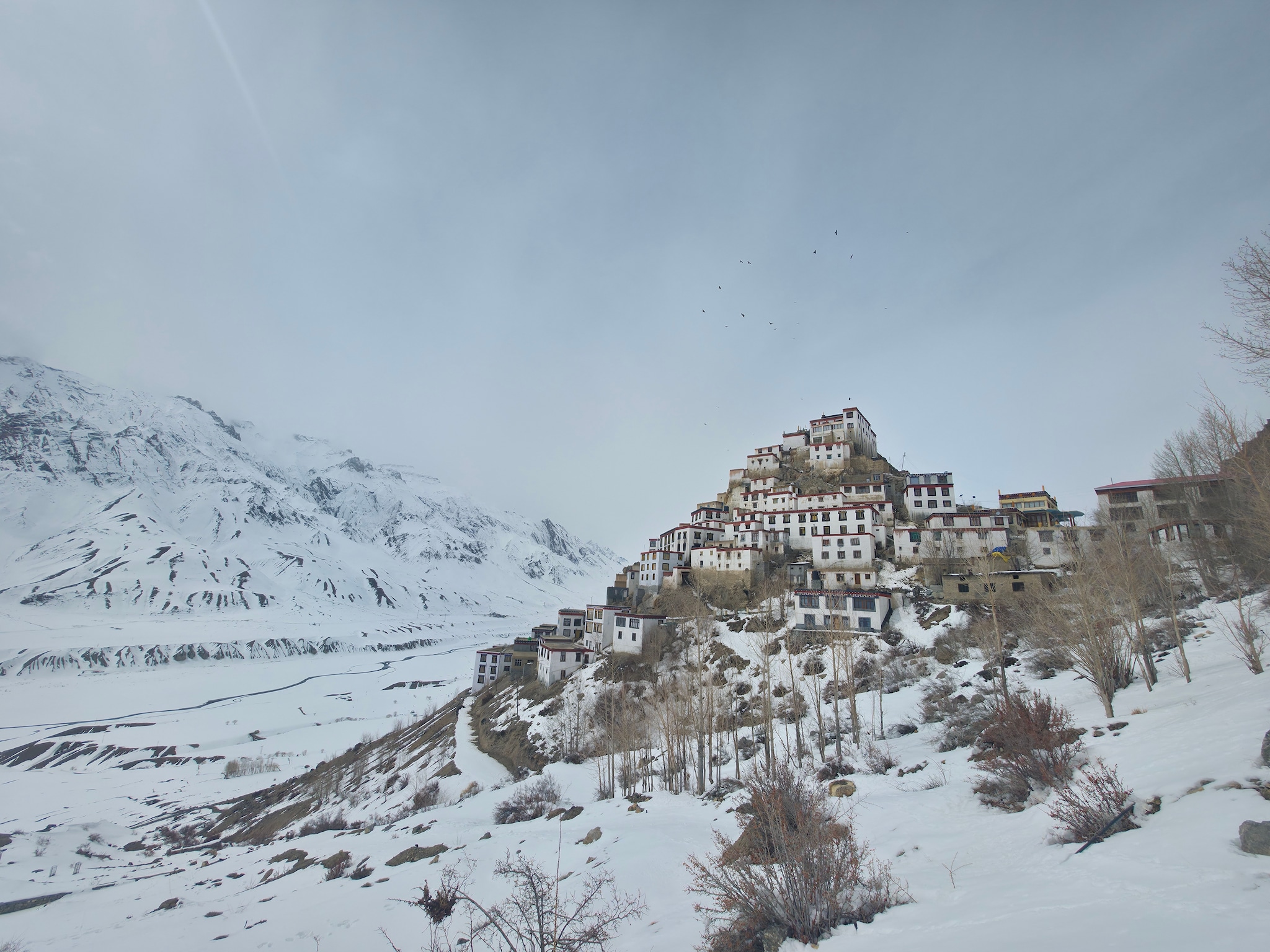
Spiti Valley, Himachal Pradesh
Like Ladakh, Spiti Valley lies in a Himalayan rain-shadow zone and receives only about 150-200 mm of annual rainfall. Its barren mountains, ancient monasteries, and picturesque villages make it one of India's most breathtaking cold desert destinations. (Image: Pexels)
News Photogallery india 10 Places In India That Receive The Least Rainfall Every Year









 English (US) ·