

 52 minutes ago
6
52 minutes ago
6
ARTICLE AD BOX
4 min readNew DelhiJul 3, 2026 10:09 PM IST
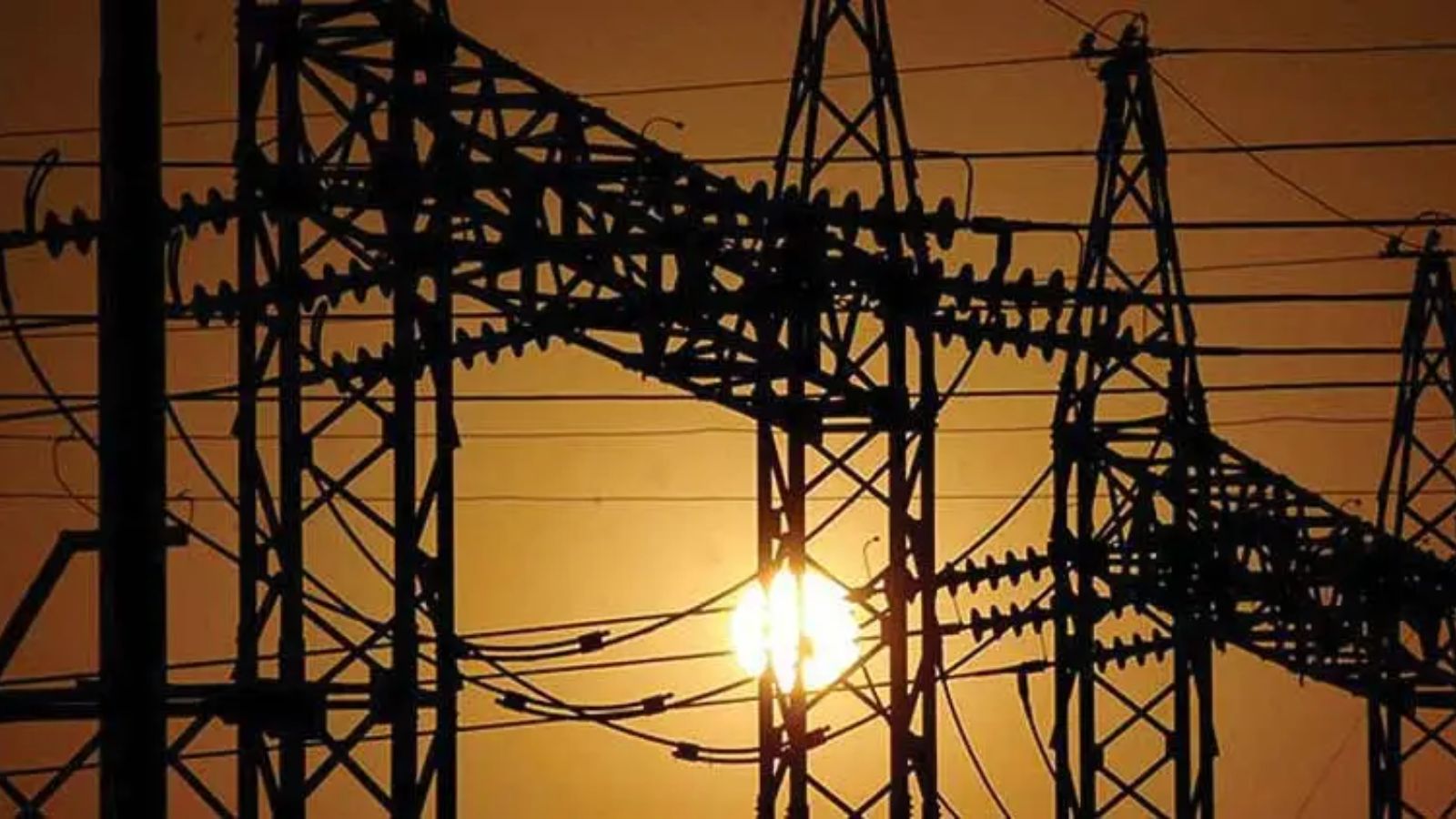 The Ministry of Power had in January this year sought the exemption for certain entities with manufacturing units in India for critical power projects from participating in government procurement. (File photo)
The Finance Ministry has allowed four Chinese power equipment manufacturing companies with factories in India to participate in government tenders for critical power projects.
The four firms — TBEA Energy, Nanjing Electric India, New Northeast Electric India and Taikai Electric (India) — have been exempted from the provisions of the public procurement rules. These rules require entities from countries sharing a land border with India to register with the relevant Indian authority to be eligible to bid in the procurement of goods, services, or works.
The June 24 order, issued by the expenditure department in the Ministry of Finance, however, clarified this exemption would be valid for two years from the date of issuance and “should not be treated as a precedent for other companies”.
The Ministry of Power had in January this year sought the exemption for certain entities with manufacturing units in India for critical power projects from participating in government procurement.
Queries sent to the Ministry of Finance and Ministry of Power did not elicit a response.
The exemption was given after deliberation by the committee of secretaries (CoS) and was based on recommendation of the ‘registration committee’ constituted under the Department for Promotion of Industry and Internal Trade (DPIIT) that vets and clears the registration process for applications after restrictions were placed on Chinese entities.
These restrictions were introduced in 2020 in the aftermath of a violent clash between Indian and Chinese troops along the Line of Actual Control. The provisions required Chinese bidders to obtain mandatory political and security clearances from the Ministry of External Affairs and Ministry of Home Affairs.
Story continues below this ad
The clearances to the power firms comes nearly three months after the government announced calibrated changes in the Foreign Direct Investment (FDI) policy for investments from Land Bordering Countries (LBCs), or those that share a land border with India. The changes were made six years after the government made prior approval mandatory for Indian entities receiving investments from LBCs in April 2020. The changes, introduced through a document known as Press Note 3 or PN3, were to curb potential takeovers of local companies during the slump in equity valuations around Covid-19.
All four firms, which have been granted exemption, manufacture key power sector equipment such as transformers, wires, high-voltage switch gear, and gas-insulated switchgear which are used in transmission lines. In its website, New Northeast Electric India shows at least 11 transmission line projects across India.
Since early 2000, Chinese companies have made inroads into India’s growing power sector market, especially in supplying generation equipment for thermal power plants. During this period, China’s three major power generation equipment manufacturers, China Dongfang Electric Group, Shanghai Electric Group and Harbin Electric Group, had become bulk exporters to the Indian market.
Availability of Chinese tech and expertise has been crucial for Indian industry, especially in generation and transmission projects. Last year, the industry had sought an easing of the visa norms for Chinese technicians as several projects were stuck due to lack of expert manpower. Industry representatives had said the delay in visa approval is hurting the manufacturing industry including the leather sector which is increasingly shifting to sports footwear. Having imported and installed Chinese machinery, the domestic industry said it was unable to operationalise plants due to visa hurdles.
Story continues below this ad
The Indian industry needs Chinese professionals since it is heavily dependent on China for crucial parts in most electrical and electronic segments. Official data shows that out of the nearly $112 billion worth imports from China, nearly 60 per cent comprised engineering and electronic items, and these also play a key role in fulfilling India’s export orders.









 English (US) ·