

 1 week ago
5
1 week ago
5
ARTICLE AD BOX
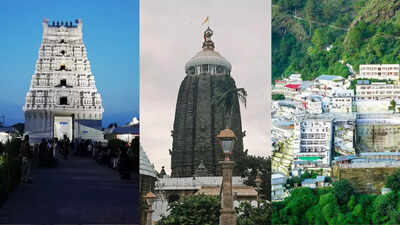
India is the land of temples that are treasure troves of devotion, culture, and charity. In India temples are not just places of worship; rather, they are artistic masterpieces that boast of India’s rich architecture, culture and heritage.
For ages, temples in India have nurtured the religious beliefs of people and shaped the regional alchemy based on regional traditions associated with the temples. While every temple of India has a different tale to tell, one thing that is common yet so uncommon about these temples is their ‘Prasad’! Here are some interesting stories of seven temples and their unique prasad offerings. Read on…Vaishno Devi, KatraThe holy shrine of Vaishno Devi in Katra, Jammu, is frequented by millions of devotees every year.
The prasad offerings at this holy temple are a mix of puffed rice, sugar balls, dried apple and coconut, which are given with a silver coin engraved with Vaishno Devi. It is given by the Shrine Board along with the prasad. There’s an interesting tradition behind this offering, which is known as Bhaints, which unlike other of Shaktipeethas offers pure vegetarian and sattvik foods.
This temple observes a sattvik tradition and leaves behind the age-old tradition of bali to appease shakti.
Jagannath Temple, PuriAt Jagannath temple, the Mahaprasad is treated as 'Anna Brahma.' As 56 dishes are cooked daily in massive clay pots over wood fires, and this food never tastes burnt, it is believed that this happens because of the Lord's wooden idols salvaged from the sea. In fact, a legend says King Indradyumna's pots often multiply food for all castes, defying hierarchy in divine equality. As per historians and experts, it is believed that when the steam-cooked food is carried to the Lord in slings of earthen pots no essence or aroma can be smelled from the food, but when the same is carried back to the place where it was disturbed.
After being offered to the Lord, a delicious smell spreads, which surprises the devotees. It is believed that this food is blessed by the almighty.Tirupati Balaji: LadduAt Tirumala Venkateswara Temple, Andhra Pradesh, they offer the world-famous laddu prasad and its origin traces back to sage Vyasatirtha. It is believed that sage Vyasatirtha once dreamed of the deity craving sweet balls made from ghee, gram flour, and sugar, and that’s when he created and offered them to the almighty.
As per another tale associated with this unique laddu prasadam, the legend says that Lord Vishnu was in debt to Kubera for his earthly wedding, and he offered these laddus as repayment of installments.
Since then, it is believed that each bite of this laddu can dissolve financial woes.Sabarimala Ayyappa: AppamKerala's Sabarimala offers appam—crispy rice pancakes with sweet coconut-jaggery filling—to warrior god Ayyappa, born from Shiva-Mohini union.
Pilgrims' 41-day vow yields appams fried in ghee, echoing the deity's forest conquests; lore claims they sustain without spoiling, fueling treks.Ambalapuzha Krishna: PalpayasamIn Kerala's Ambalapuzha Sri Krishna Temple, milky payasam (rice pudding) originates from a 17th-century king's dream where Krishna, disguised as a poor Brahmin, demanded it during famine. The eternal pot boils nonstop; legend says unfinished bowls summon the lord's return.Madurai Meenakshi: Pottukadalai HalwaMadurai's Meenakshi Temple serves Kaja halwa from black gram halwa, tied to goddess Meenakshi slaying the demon fish army. Artisans claim the deity blessed their vats during drought; its melt-in-mouth texture symbolizes divine nectar dissolving ego.Vaitheeswaran Koil: PanchamirtamTamil Nadu's Vaitheeswaran Koil near Chidambaram offers panchamirtam—a five-nectar mix of banana, jaggery, ghee, honey, and cardamom—to Shiva as healer.
Legend recounts sage Valmiki cured leprosy here; the prasad's immortality stems from Shiva's amrit drops, healing devotees eternally.Chinese Kali Mandir, KolkataAs the name suggests, the mandir serves Chinese noodles, chop suey, rice and vegetable dishes as a bhog at the feet of the goddess. In Kolkata's Tangra (Chinatown) area, this temple is an example of assimilation, unity and acceptance and is truly worth a visit.







 English (US) ·