

 1 day ago
6
1 day ago
6
ARTICLE AD BOX
Few animals attract attention quite like birds. Some impress through remarkable migrations or unusual behaviour, while others are remembered simply because of their appearance.
Across forests, mountains and tropical islands, certain species stand out for feathers that seem almost unreal in their colour, shape or texture. Their plumage has evolved for different reasons, from attracting mates to blending into dense vegetation, yet the result is often extraordinary to see.Beauty in birds is difficult to define because every species offers something different. A sweeping tail, a delicate crest or an unexpected combination of colours can make one bird unforgettable while another earns admiration through elegance rather than brightness.
The following birds come from different corners of the world, but each has become widely recognised for its striking appearance and the distinctive features that separate it from the thousands of other bird species found across the globe.
World's most beautiful birds: 7 species known for dazzling colours and elegance
1. Mandarin duck
pc: wikipedia
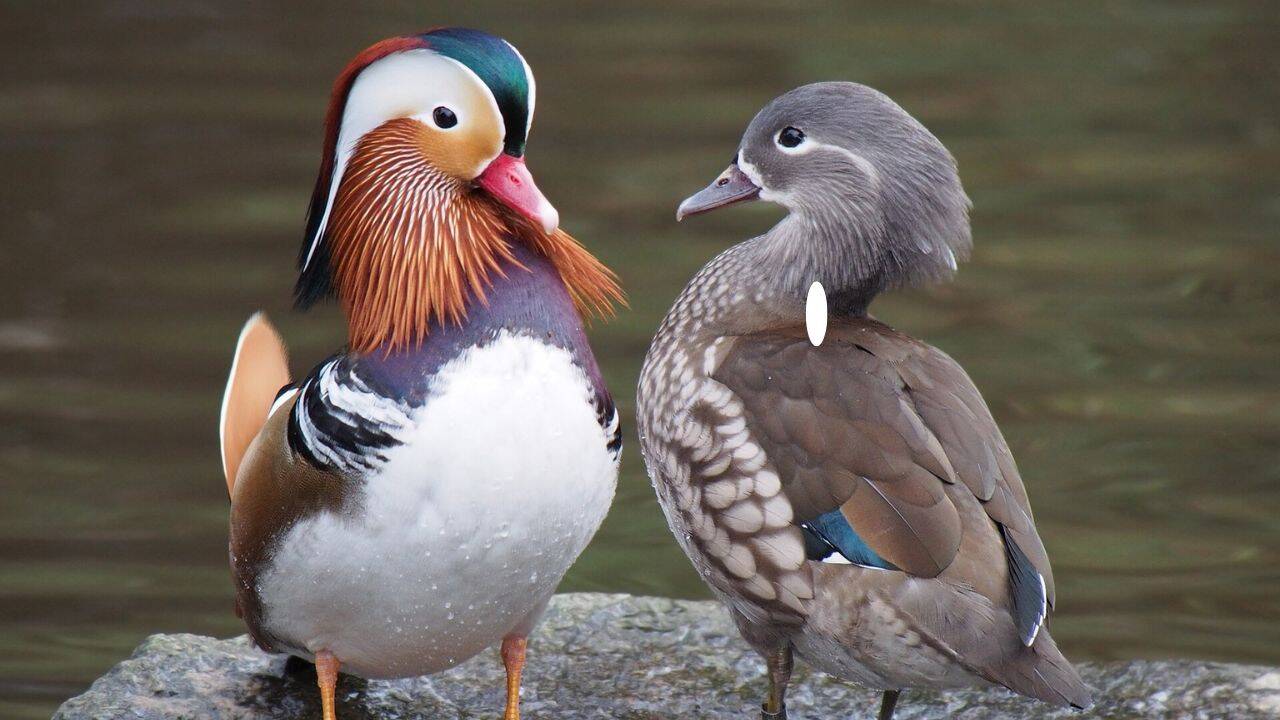
Few waterfowl are as instantly recognisable as the mandarin duck. The male looks almost painted by hand, carrying a mix of orange, deep purple, green, white and chestnut feathers that seem unusually elaborate even among ducks.
During the breeding season, those colours become especially prominent as males compete for attention.The species is native to East Asia, where it breeds in wooded wetlands and river valleys. Unlike many ducks that spend much of their time on open water, mandarin ducks readily perch in trees and often nest inside cavities well above the ground. Outside their native range, small introduced populations have become established in parts of Europe, where they continue to attract birdwatchers whenever they appear.
2. Indian peafowl
pc: wikipedia
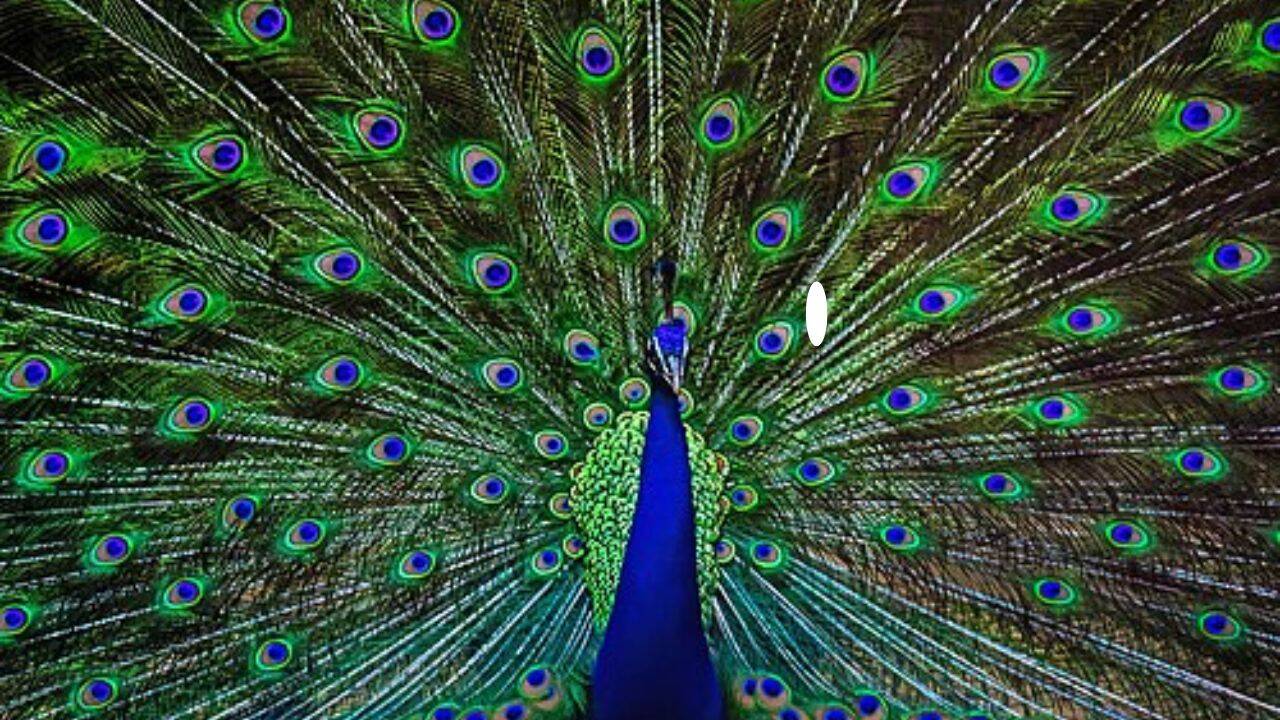
Few birds create a spectacle quite like the male Indian peafowl, better known as the peacock. Although many people describe its colourful display as a tail, the famous fan is actually formed from elongated upper tail coverts decorated with hundreds of eye-like markings. During courtship, the bird lifts and spreads these feathers into a broad, shimmering arc that catches both sunlight and attention.Away from its display, the peacock is equally distinctive.
Its deep metallic-blue neck, elegant crest and confident walk make it instantly recognisable even when the feathers remain folded. Females, known as peahens, have far more subdued colouring, an example of the striking differences between the sexes seen in many bird species. Native to the Indian subcontinent, the Indian peafowl has also become a familiar sight in parks, estates and wildlife collections around the world.
3. Golden pheasant
pc: wikipedia
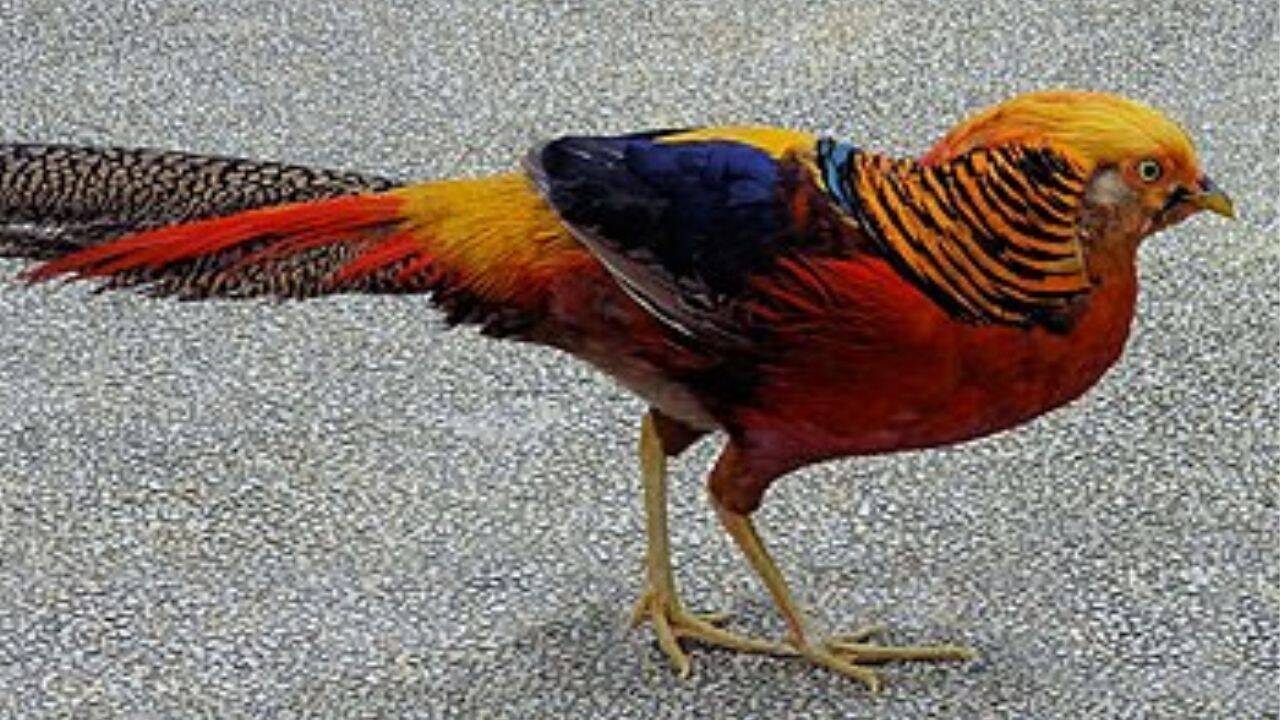
The golden pheasant seems almost as though it has been painted rather than feathered. Males combine a brilliant golden-yellow crest with vivid scarlet plumage, deep green upperparts and a long barred tail that adds further drama when the bird moves across woodland floors. Around the neck sits a striking orange ruff marked with fine black bands, creating one of the most recognisable patterns among pheasants.Despite these brilliant colours, golden pheasants can be surprisingly difficult to spot in the wild.
They prefer dense forests where thick vegetation provides shelter and where flashes of colour disappear almost as quickly as they appear. Introduced into several countries beyond their native range, they remain far better known through aviaries than through encounters in natural woodland.
4. Rainbow lorikeet
pc: wikipedia
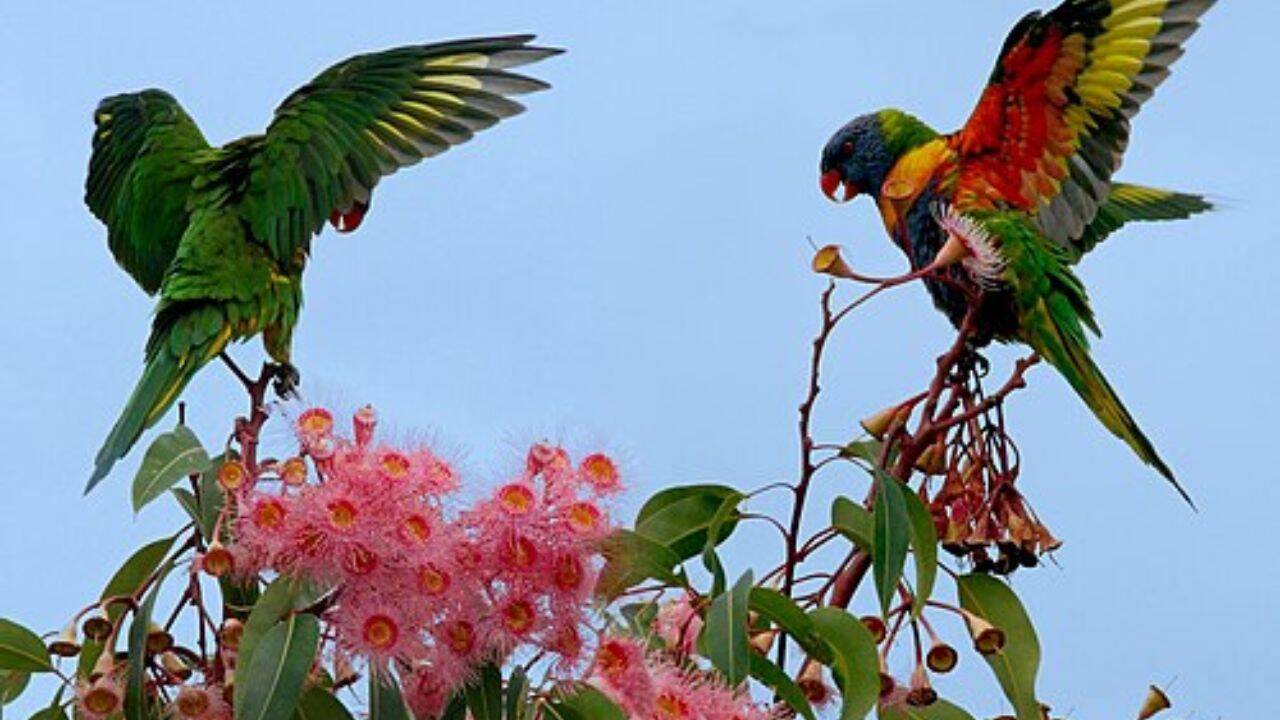
Bright colours are common among parrots, but the rainbow lorikeet combines them with unusual precision. A deep blue head, vibrant green wings, orange breast and touches of yellow and purple create an appearance that seems almost carefully arranged.
The colours remain crisp throughout adulthood, making the bird one of Australia's most recognisable native parrots.Appearance is only part of its appeal. Rainbow lorikeets are energetic, noisy birds that spend much of the day moving between flowering trees in search of nectar and pollen. Unlike many parrots, they possess a specialised brush-like tongue that helps collect food from blossoms. Their sociable nature often brings them into towns and gardens, where large flocks gather noisily before settling into nearby trees as evening approaches.
5. Lesser bird-of-paradise
pc: wikipedia
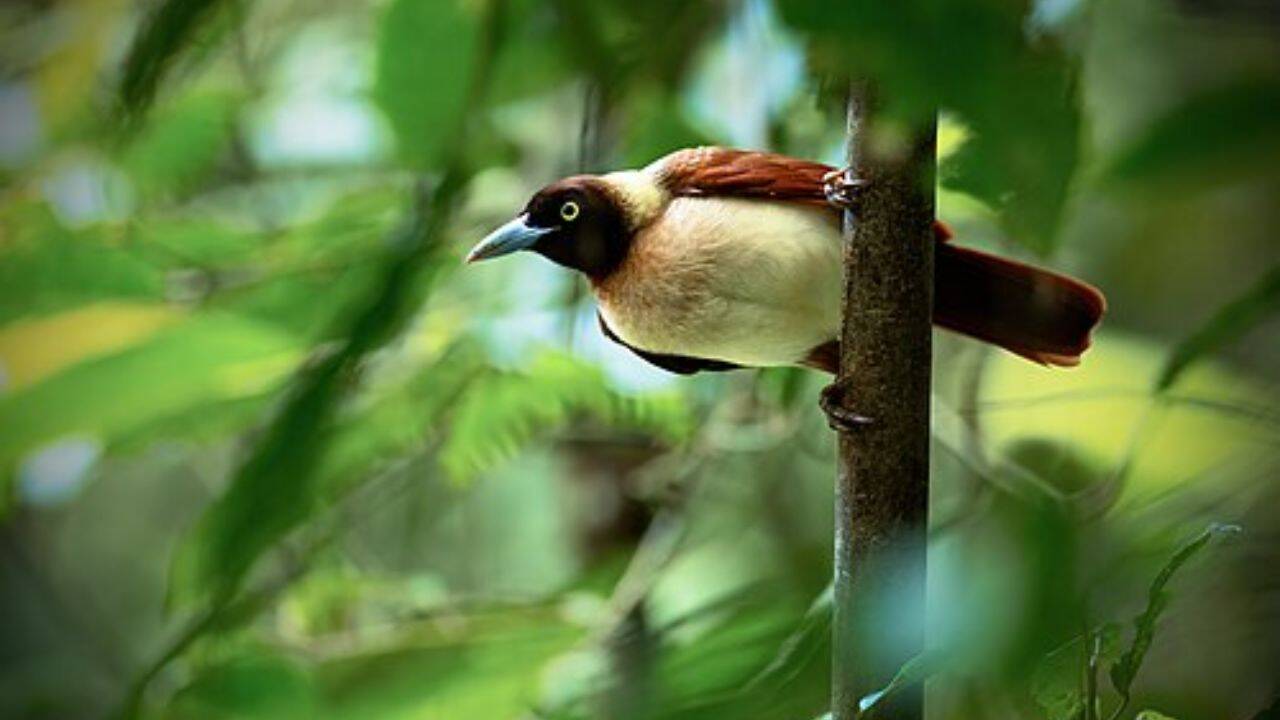
Among the birds-of-paradise found in the forests of Indonesia, the Lesser bird-of-paradise stands apart for its unusual combination of colours and shapes. The male carries a vivid red back, glossy black wings and a brilliant emerald-green breast, while the crown is covered by bright blue bare skin rather than feathers. Completing the display are two slender tail feathers that curl outward into neat spirals, giving the bird an unmistakable silhouette.Its appearance plays an important role during courtship. Males carefully clear small patches of the forest floor before performing elaborate displays for visiting females. Every movement is designed to show off the bird's striking plumage from different angles. Although relatively small in size, the species leaves a lasting impression because almost every part of its body differs from that of an ordinary forest bird.
6. Common kingfisher
pc: wikipedia
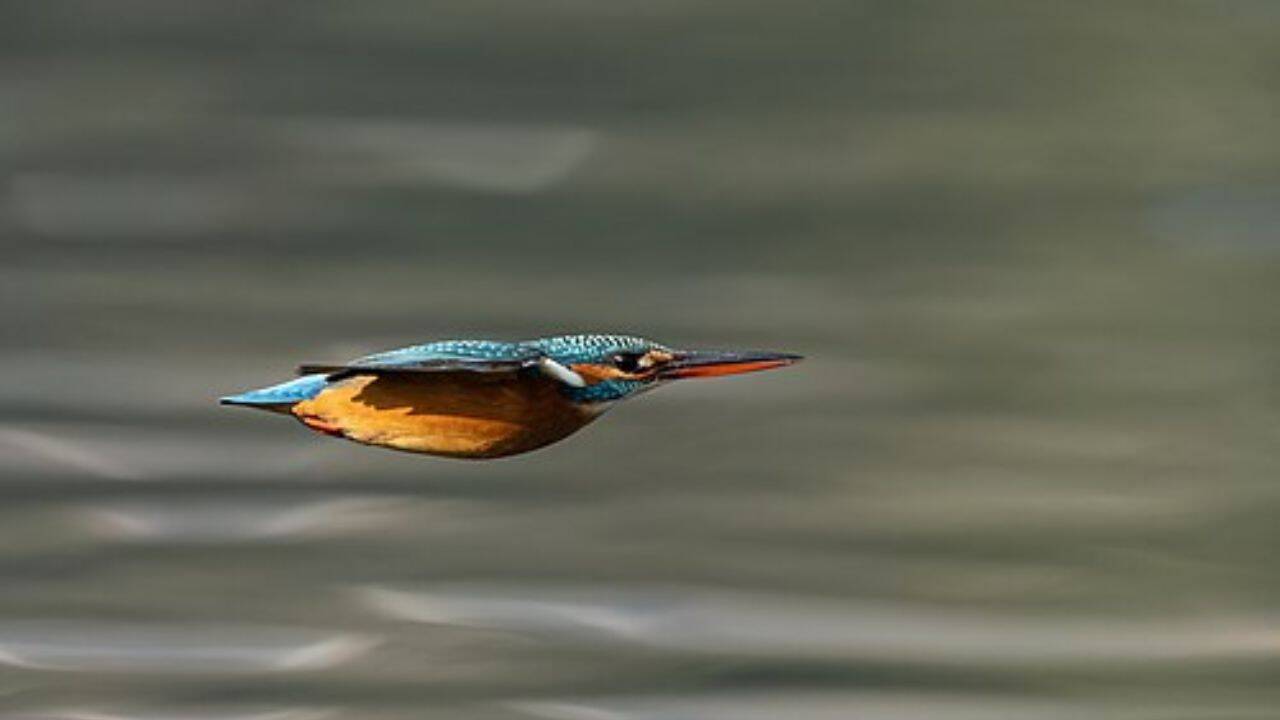
The common kingfisher proves that remarkable colours are not limited to tropical forests. Its electric blue back and copper-orange underparts make it one of the most distinctive birds found across Europe and parts of Asia.Those brilliant blue feathers are not produced by blue pigment. Instead, microscopic structures within the feathers scatter light, creating the vivid colour seen by the human eye. The bird spends much of its time perched quietly above slow-moving rivers, lakes and streams before diving headfirst to catch small fish with remarkable precision.
7. Victoria crowned pigeon
pc: wikipedia
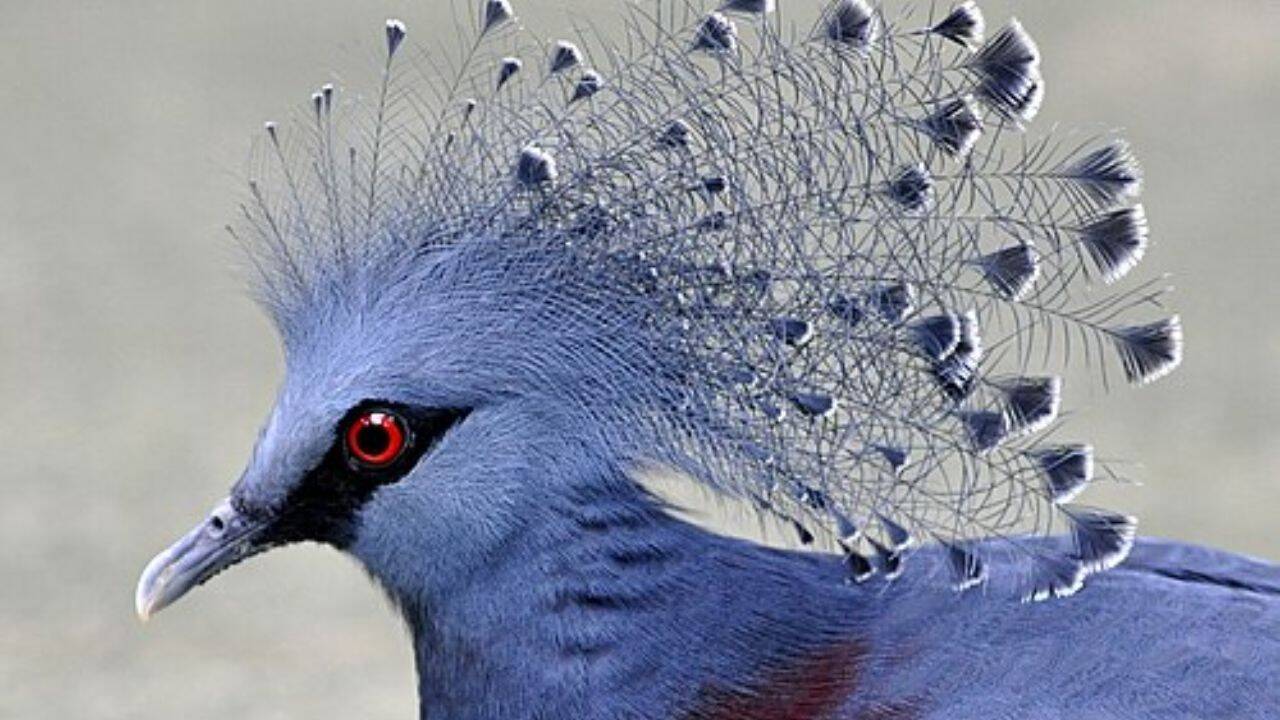
The Victoria crowned pigeon demonstrates that beauty is not limited to small tropical birds. As the largest living pigeon species, it possesses an elegant appearance that is both impressive and distinctive. Soft blue-grey plumage covers most of the body, while the breast takes on a rich maroon shade. Its most recognisable feature is the delicate lace-like crest that rises above the head, each feather tipped with a tiny white edge that gives the impression of finely crafted lace.Native to the lowland forests of New Guinea, this ground-dwelling pigeon spends much of its time walking through leaf litter in search of fallen fruit and seeds. Despite its considerable size, it moves with surprising grace. When disturbed, it prefers to retreat quietly into dense vegetation rather than take immediate flight, making close sightings uncommon in the wild.









 English (US) ·