

ARTICLE AD BOX
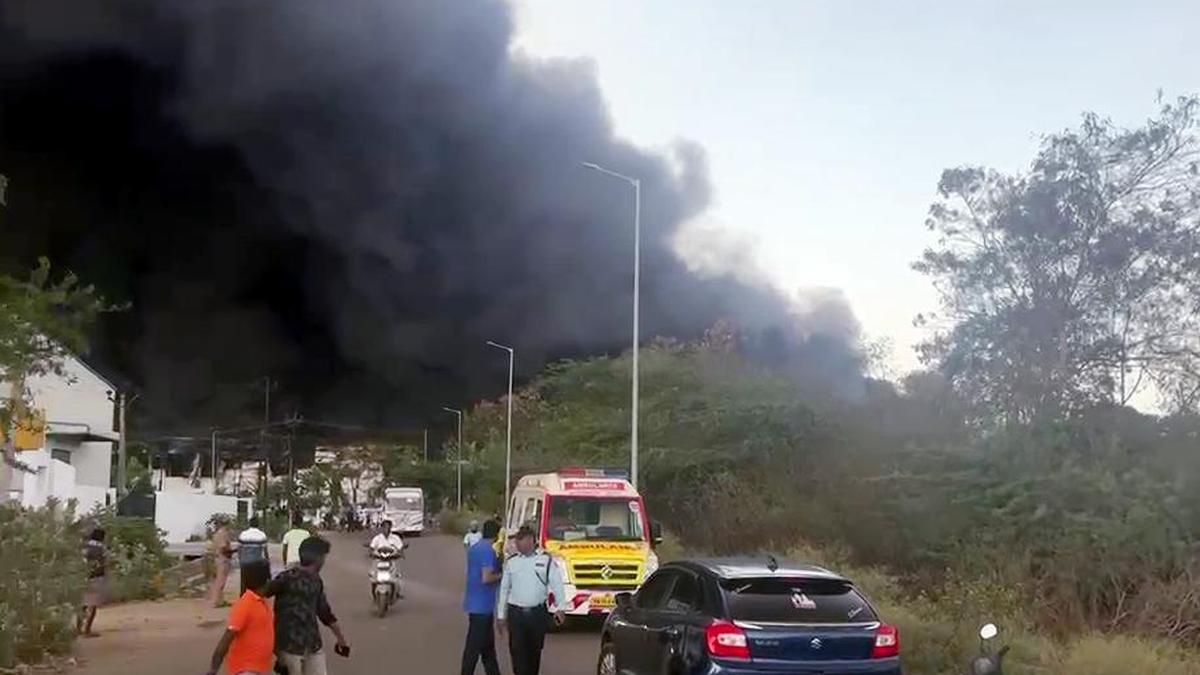
The war in Ukraine got to a pretty dangerous level on May 29, 2026, when a Russian drone, as reports, went off its path and ended up crashing into a residential apartment building in Galai, Romania, injuring some civilians and setting a fire.
Authorities are still investigating the facts of the episode, but it is already clear that it puts NATO and European policymakers in a very difficult position. Romania is a NATO member, and a military object coming into its territory from an active conflict zone has a lot of implications that go far beyond the local damage.
For more than four years, governments of European countries have very much worried that the war in Ukraine might affect other countries through miscalculations, failures in navigation, or unintended military escalation. The most direct case of these fears turning into reality inside a populated area of a NATO country is the Galai incident.
The very first problem for Romanian and alliance officials is to figure out the purpose. Initial indications show that the drone was not for Romanian territory. But when it comes to war nowadays, even if the difference is made between a planned attack and something going wrong with the technology, the strategic effects are not always lessened. A weapon that goes over an international border and hits the civilian infrastructure causes both diplomatic and security problems no matter what the intention was.
This episode further points to the elevation of threat by long-distance drones. The great difference of drone warfare from previous conventional combat on the battlefield is its capability to cause a wild chain of events due to errors in the guidance system, breakdown in communication, or one’s defenses causing change in the drone’s route. With drone use spreading all over the eastern flank of the EU, countries which are neighbors are getting in line as the ones at risk to become even casualties of a war to which they are not parties.
For NATO, the scenario is like walking on a tightrope. The leaders of the alliance have to continue to convince the member states that if any of their territories are violated, it will surely be acted upon. Then again, they also should not do things that would open the door to escalations of the tensions without any necessity. The same kind of events generally have led to investigations, diplomatic protests, and enhanced surveillance, not military retaliation, but still each new case is like raising a new bet on the table.
In fact, the situation extends all the way to minimum economic damage. Among other countries which are located in the eastern part of Europe, Romania already has ramped up its defense budget due to the ongoing turmoil in the region. Even if investing in personal or community safety devices, like air defense, surveillance of the borders, or ways to quickly respond to emergencies has been viewed as less and less optional, some would say after a drone attack in a residential district it becomes a matter of certainness.
Aside from the most pressing security issues, there is the forming of another battlefield: that is information warfare. A few short moments after an incident has occurred, it is no way unusual to see the various social media getting extensively loaded with speculations, fakes, and propaganda gestures. What is more, the governments are put in a kind of double bind: first, they should be capable of handling the aftermath of the literal events while also being in a position to keep control of the cascading and also wide range information which is very prone to becoming an amplifier of fear as well as bewilderment and conflict before the real situation has been thoroughly figured out.
The bombed Galai is like an operation that calls for attention as far as the separation lines of the actual theaters of war with the neighboring countries are greatly vulnerable. So, the lines of front which are usually connected to the concept of warfare as such are in reality something of the past. It is enough for one single drone to behave abnormally and do its thing in a way hundreds of kilometers away from its target for a minor unipolar warfare located in the region to be suddenly transformed by a very large security threat that involves the whole alliance.
Whether the Romanian incident will be ultimately considered as an accident or a greater warning sign, it highlights a reality that European leaders cannot continue ignoring: the dangers of the war in Ukraine have already spilled over outside of Ukraine’s borders.







 English (US) ·