

 1 day ago
6
1 day ago
6
ARTICLE AD BOX
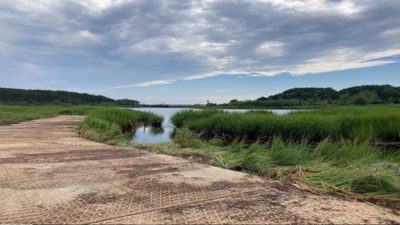
Salt marsh Herring River Wellfleet Massachusetts. Image Credit: Wikimedia Commons
An unusually severe drought in the US produced an unexpected result for scientists. The drought almost completely blocked the release of methane from a coastal marsh located in Massachusetts.
This information is based on the recently accepted manuscript, which was reviewed and published in Environmental Research Letters. This research shows how the increase in the salinity level in 2022 during a drought almost completely stopped the emissions of methane from a brackish tidal wetland in an unusually short time. Despite the fact that rain returned in the following year, emissions did not completely recover.The result of this research provides an interesting example of how climate change affects greenhouse gas emissions from wetlands for an extended period of time.Methane emissions fell sharply within a dayWetlands play a complex role in the climate system: they are major stores of carbon and a major source of methane, a greenhouse gas that traps far more heat than carbon dioxide. In particular, according to the recent study by Inke Forbrich and Cove Sturtevant, methane emissions from the Massachusetts marsh were measured at around 0.120 micromoles per square meter per second before the drought worsened.Once the drought enabled exceptionally salty seawater intrusion into the marsh, methane emissions quickly became "effectively zero," in the researchers' words.
By August 2023, when conditions turned wet again, methane emissions had recovered to only 67 percent of their initial level.Salt proved to be the most significant factorThe researchers found that temperature and precipitation contributed to the sudden shift, but salt was the main driver. During the drought period, there was less freshwater flowing into the marshes, which allowed more saltwater to penetrate into the soils of the wetlands. Using machine-learning models, the researchers found that pore-water salinity, estimated by specific conductivity, and air temperature had the greatest impact on methane emissions.The research identified a critical pore-water conductivity of around 15 millisiemens per centimeter, or about 8.7 parts per thousand salinity, above which methane emissions rapidly decrease, especially during warm periods when they would normally rise.The researchers say this threshold could help scientists estimate greenhouse gas emissions from similar coastal wetlands in the future.
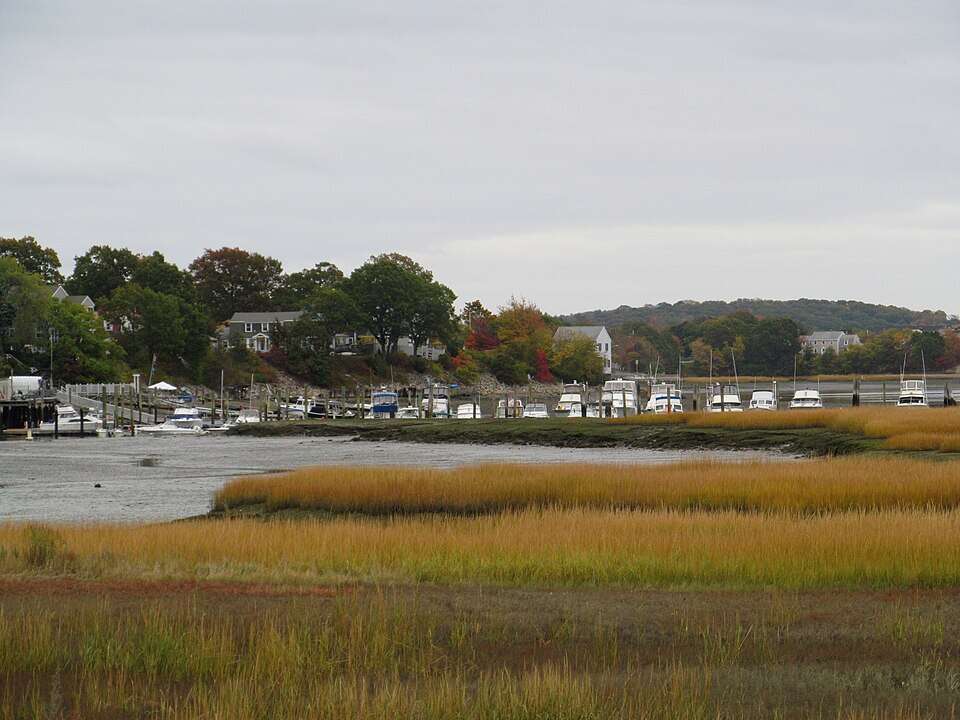
Broad Meadows Marsh, Quincy, Massachusetts. Image Credit: Wikimedia Commons
Why does salt reduce methane?The finding is consistent with decades of wetland studies.Methane is produced by microorganisms called methanogens in oxygen-deficient freshwater soils. When saline water infiltrates such environments, it creates conditions that favor sulfate reducers, which can outcompete methane producers for the same nutrients. Earlier studies, documented in Biogeochemistry, available through Springer Nature, found that methane emissions tend to be reduced as the salinity of tidal marshes increased because the sulfate-rich environment inhibits methane formation.However, the new study suggests the mechanism is more complex. The scientists continued to find methane trapped in the marsh soils even though very little reached the atmosphere. This suggests another process, methane oxidation, may have been involved, with microbes oxidizing methane in the soil before it reaches the atmosphere.Climate change may transform coastal wetlandsResearchers caution that lower methane emissions do not necessarily mean good news.In addition to decreased methane emissions, the drought led to changes in the chemistry of the wetland. Coastal wetlands perform a variety of ecosystem functions besides regulating greenhouse gas emissions, such as carbon sequestration, protection from flooding, filtration of pollutants, and serving as habitats for wildlife. Saltwater intrusion resulting from drought, according to the US Geological Survey, can result in major transformation of wetland ecosystems, which will impact the flora of the wetland, soil chemistry, and greenhouse gas emissions.
Responses also vary depending on local environmental conditions.In other studies, increased salinity reduced methane emissions but also stressed wetland flora and lowered carbon sequestration.Peering into the futureClimate models project more frequent droughts and higher sea levels in many coastal areas, increasing the risk of saline water intrusion inland.That makes this research especially timely. Rather than showing a temporary response, the researchers say the Massachusetts marsh experienced a rapid ecosystem collapse followed by a slow recovery.
In other words, the ecosystem appeared to retain the drought's effects long after the event ended and rainfall resumed.The study also shows how machine-learning methods can help explain complex wetland processes. The authors' neural-network models revealed connections between salinity, temperature, and plant productivity that would be difficult to detect with traditional statistical methods.Although the research focuses on one brackish marsh in Massachusetts, it highlights how long extreme weather events can affect natural greenhouse-gas emissions.









 English (US) ·