

 2 hours ago
3
2 hours ago
3
ARTICLE AD BOX
6 min readAhmedabadFeb 17, 2026 09:03 PM IST
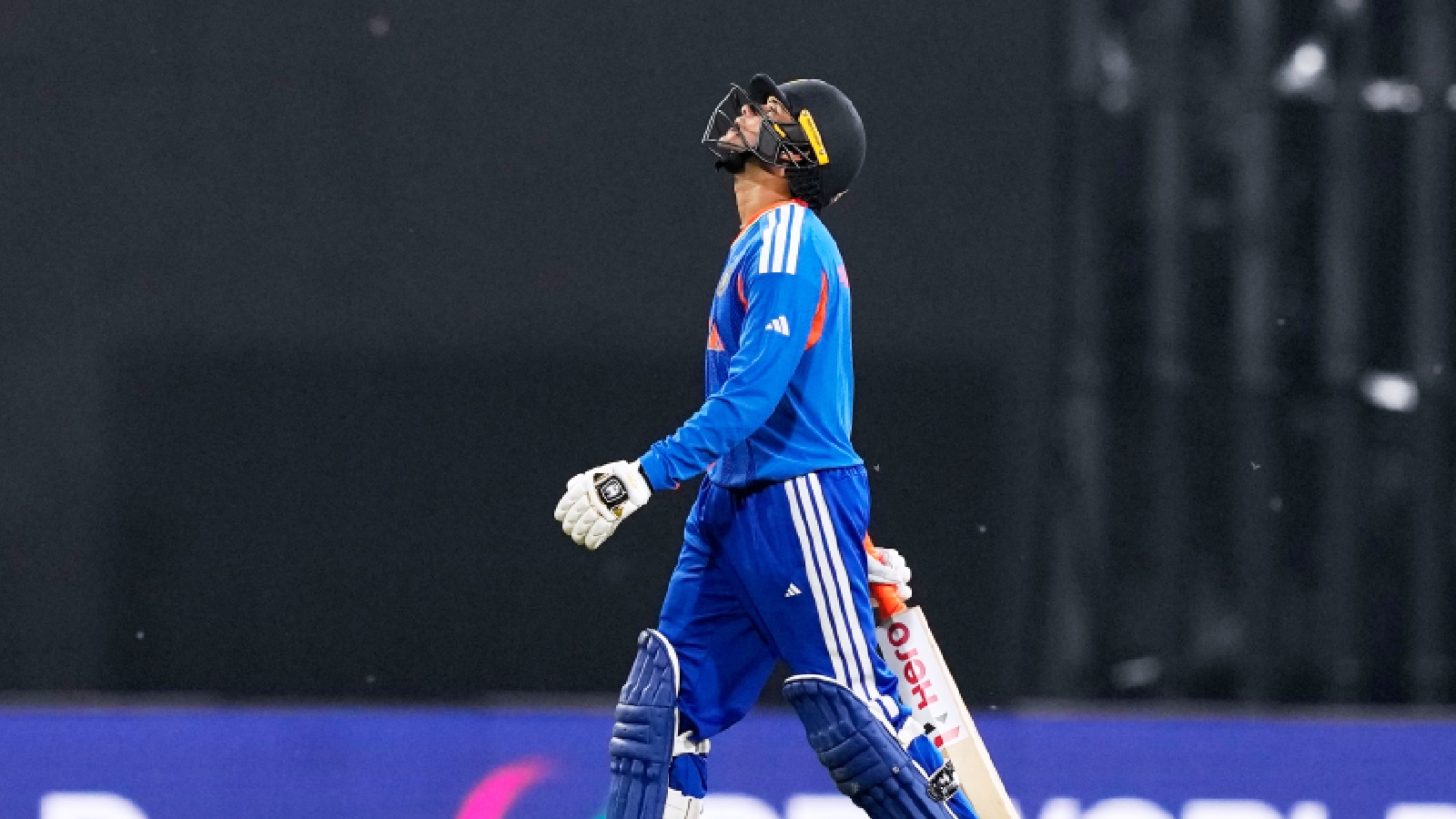
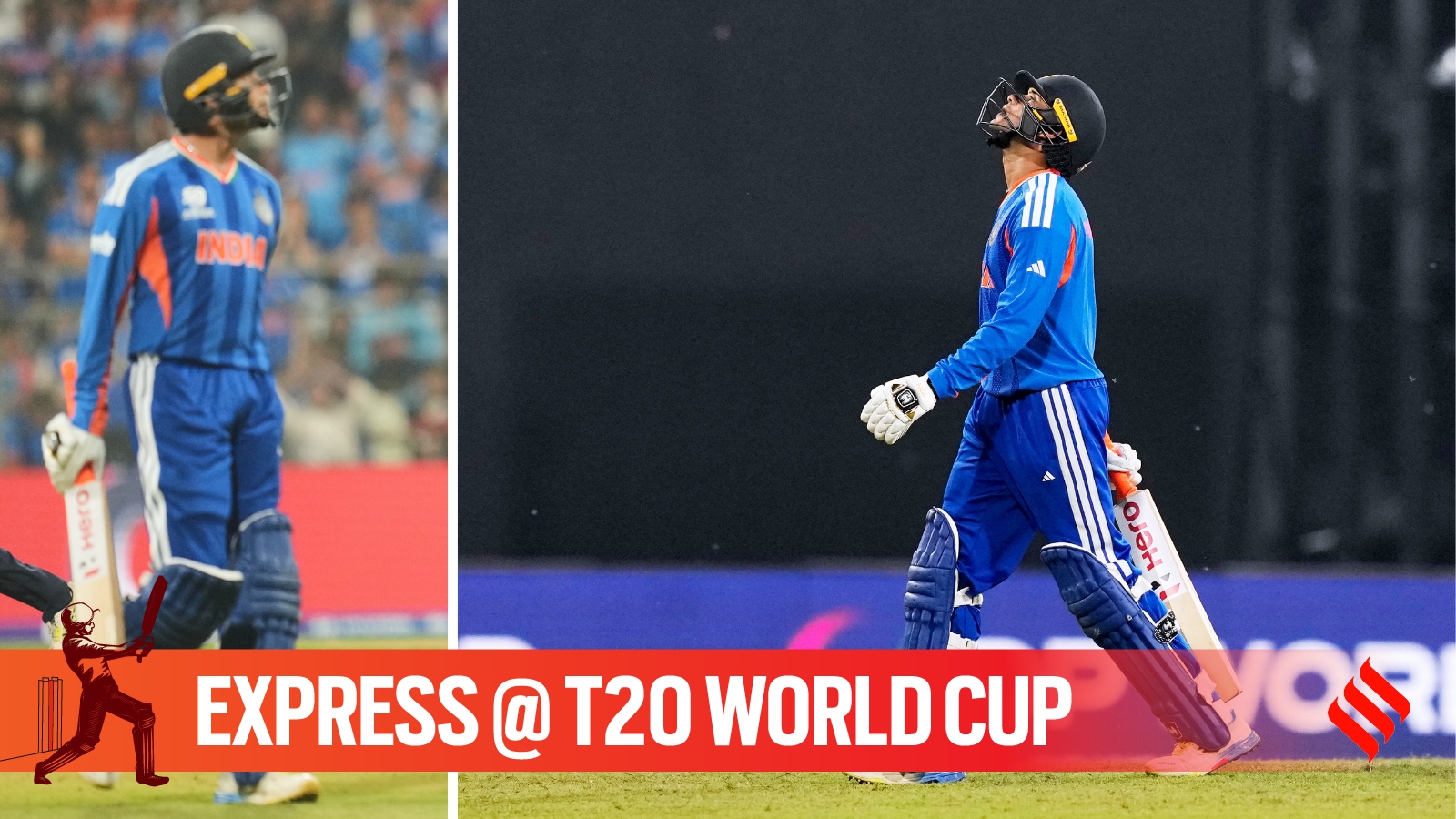 Indian opener Abhishek Sharma is yet to open his account in the T20 World Cup 2026 after registering two ducks in two games. (PHOTO: AP)
The gaze and mind of the motley audience in the Narendra Modi Stadium shrinking on him, Abhishek Sharma stoutly defended the first ball from an intrepid net bowler. A collective gasp blew in the stands, where a few overzealous fans were waving the tricolour and hoping for Abhishek to ferry the first ball deep into the stands. It’s the habit he has pampered the audience into, the burden of expectations he has imposed on himself. With every defensive stroke of his, the onlookers grew impatient. Even during an optional nets session, they expect his willow to shower sixes.
It soon did, when he pilloried a good length ball from Varun Chakaravarthy straight over him. The ball crashed onto a just-swept orange seat beside the sight-screen. Peels of applause crackled, creating an echo in the vast and immense space. Abhishek clanked into Abhishek mode, and this was what the crowd wanted. Sixes soared, shrieks of “watch out” sliced the unusually nippy air. The onslaught of sixes is why they flock to watch him; the carnage of sixes is the reason Abhishek has swiftly become the pin-up boy of India’s radical batting ethos in the format. It’s the reason his recent string of low scores has alarmed some of them.
ALSO READ | T20 World Cup: Zimbabwe, world cricket’s much-liked giant-slayers, are back
But it’s merely a reflection of his exploding stature that just a brief fallow spell has been magnified into a crisis. Two ducks in as many World Cup outings, and four in the last seven fixtures, has shocked the world around him. Words of counsel from the wise old hands have poured in. Sunil Gavaskar suggests he should take a single of the first ball; Ravi Shastri asks him to “give himself a little more time”. From grim and serious observers to lay watchers, everyone has an opinion or theory on what he should do to end the string of zeros. Sometimes, it takes a lean patch to appreciate an athlete’s value and impact at its fullest. It’s not really a frugal phase either: the last nine knocks featured a brace of half centuries and three 30+ scores too. The other side of a high-risk, high-reward game is performances with low-reward outputs. A few failures, then, lead to relentless scrutiny from critics.
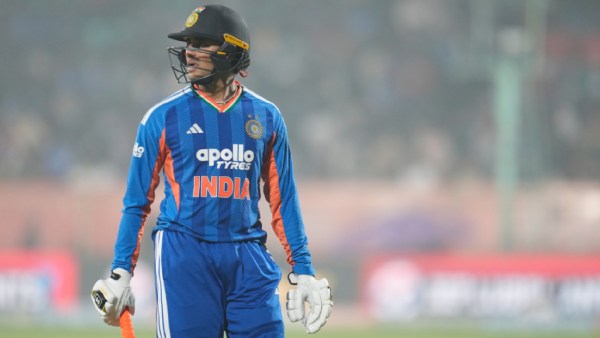 Abhishek Sharma fell for a second duck in the ongoing T20 World Cup against Pakistan in Colombo. (AP Photo)
The concept of form in T20s is a treacherous mirage. Optics is a better judge of form than numbers; it’s a paradox of the game that it has taken the most monetised format to un-strip the glow of numbers. It’s with the intrinsic hit and miss nature of the ball that there could be more single digit scores than two or three figure ones. In T20s you’re almost set up to fail a lot of the times rather than succeed. Rohit Sharma has 31 ducks in his T20 career; Chris Gayle 30. With his high-risk methods and aggressive mindset, it is improbable that Abhishek would ever match Virat Kohli’s stupendous average of 48.69. But India would trade that average for his eye-bursting strike rate of 193 (Kohli’s was 137.04).
Even during the ducks, Abhishek betrayed little visible signs of struggles. Against Pakistan he timed the first two balls, the third and fourth were a little forced on a surface where the new-ball from the off-spinner Salman Agha bounced (spongy, tennis-ball like) onto him. “You can’t plan for that dismissal, to be caught at short mid-on. There is no way Pakistan would have expected that,” India’s batting coach Sitanshu Kotak said. Against the US, he slashed a ball straight to deep cover. Both were instances of indiscretion. He ignored the pitch and bowler versus Pakistan and the fielder against the USA.
There is no definite pattern in his dismissals, no specific tragic flaw a bowler could expose and exploit. He has not scratched around, or played and missed. His movements were sharp, his alignment was intact. He is not trying to be someone else, or bat differently. It just seems like a random coincidence. Not much sweat or time is lost on finding a solution. “We don’t over-analyse. Sometimes, it does more harm than the opposition’s bowlers. He has his plans sorted. He plans the way he wants. Of course, we discuss bowlers and their plans. But nothing else. He is in good form and mind-set,” Kotak explained.
Story continues below this ad
There is not much advice a coach could give him, other than ensuring that he doesn’t brood on the ducks and become an emotional wreck. He cannot tell him to be patient and embrace moderatism. It’s antithetical to the essence of being Abhishek. Or to paraphrase Kotak, “you should let him be himself.”
But India would hope that he strikes form soon, lest he begins to self-doubt and drifts into a point of profound desperation. He is still India’s most important batsman, the ignition that sets the fireworks. Ishan Kishan’s form is sublime, but tournaments are seldom won single-handedly. On his part, Abhishek is doing his bit, which is practising as rigorously as possible. After a brief respite, he returned to the portable nets — a green rectangular cage — and began carving sixes again. Against Netherlands, the audience would wish the same, that he pampers them again with a treat of sixes, that Abhishek would clank into Abhishek mode.



 English (US) ·