

 1 hour ago
4
1 hour ago
4
ARTICLE AD BOX
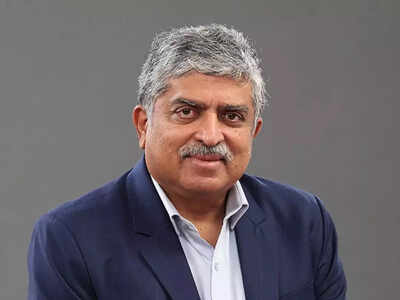
Nandan Nilekani (File photo)
BENGALURU: Calling the AI shift a "root-and-branch surgery" of how businesses function, Infosys chairman Nandan Nilekani urged enterprises to rethink not just technology stacks but also how employees work, adapt, and create value in an AI-first world. Speaking at the Infosys Analyst Day held on Tuesday, Nilekani said the conversation around AI moved beyond experimentation to large-scale organisational change that directly affects the workforce. "And operating model - how do we make this at scale? How do you get a firm with hundreds of employees to change all the things and make it work?" he said, describing the transition as both a technological and human challenge.
For decades, enterprise technology operated within a predictable framework. "Technology is always deterministic. You said A plus B equals C," Nilekani explained. AI, however, introduces a different paradigm.
"Every time you give a prompt, you'll probably get a different answer. How do you deal with this non-deterministic world while ensuring robustness and reliability?" This unpredictability is pushing companies to reshape employee roles rather than simply automate tasks. Workers must collaborate with intelligent systems, validate outputs, and apply judgement, elevating skills such as critical thinking, prompt design, oversight, and ethical decision-making. Mental models built over decades must evolve as organisations design processes that combine human supervision with machine intelligence. He described the transition as "a fundamental root-and-branch surgery of the way business is done," underscoring why this technology wave differs from earlier ones. A major barrier to this transformation, he noted, lies beneath many large enterprises: deeply entrenched legacy systems.





 English (US) ·