

 1 hour ago
7
1 hour ago
7
ARTICLE AD BOX
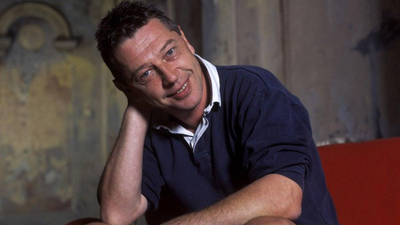
Andy Kershaw, former BBC Radio 1 DJ and Live Aid presenter, has died at 66. His family confirmed that the broadcaster died months after sharing his spinal cancer diagnosis, which had left him unable to walk.
He was diagnosed in August 2025. He was undergoing treatment including chemotherapy, radiotherapy, physiotherapy and, as his friend and podcast producer Peter Everett described it, "a lot of scans and painkillers."Kershaw was born in Rochdale in 1959. He studied at Leeds University and after that he began his career as a promotions manager at Radio Aire. In 1984, he first anchored the BBC's TV rock programme, The Old Grey Whistle Test.In a message shared in January, he said: "I am in good spirits, feeling very positive and planning another podcast. I am determined not to die before Benjamin Netanyahu, Vladimir Putin, Donald Trump and Ant'n'Dec." Spinal cancer is diagnosed when there’s a tumor growing in or around the spine, either in the bones, the spinal cord, or the nearby tissues. Sometimes it starts there (which is rare), and sometimes it spreads from somewhere else, like the lungs or breast.
There are two types. Primary spinal tumours start in the spine itself, in the bones, the discs, or the tissue surrounding the spinal cord. These are relatively rare.
Far more common are secondary, or metastatic, spinal tumours, which happen when cancer from somewhere else in the body — the lungs, breast, prostate, kidneys, spreads to the spine through the bloodstream. Back pain is one of the most common complaints in the world, so when spinal cancer announces itself with a dull, persistent ache, most people assume it's muscular or age-related. But there are signs that should trigger urgent investigation: pain that's worse at night or when lying flat, unexplained weakness in the legs, numbness, difficulty walking, or a sudden change in bladder or bowel control.Treatment depends on the type and stage. It could involve surgery, radiation, or medication.








 English (US) ·