

 1 week ago
9
1 week ago
9
ARTICLE AD BOX
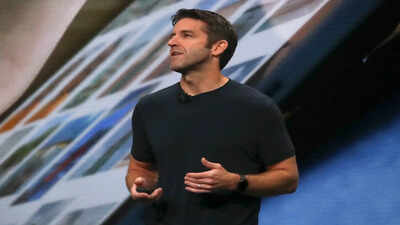
Incoming Apple CEO John Ternus wants to rebuild the design studio before he takes over in September. (AP Photo/Bebeto Matthews, File)
Apple's industrial design studio was once the soul of the company, the room where the iMac, iPod, iPhone and iPad were dreamed up and where every other team came to rally around the next big thing.
A decade later, that room has gone quiet. The studio no longer holds a seat at Apple's executive table, has less influence than at any point in decades, and has been reduced to a service desk that hands over prototypes and color choices on request. Incoming CEO John Ternus says putting it right is his first job, and he's already started.The diagnosis comes from Bloomberg's Mark Gurman, whose latest Power On newsletter traces how one of tech's most envied design operations quietly fell apart.
Ternus, who takes over from Tim Cook on September 1, is preparing what Gurman calls a major shake-up, and has spent considerable time with the design group well before the title is officially his.
A slow decline that started with Jony Ive's exit
The slide began in 2015, when Jony Ive stepped back from daily management to become chief design officer. Apple framed it as a promotion. It was really the start of a long drift away from the design-first culture Ive built. He left outright in 2019 for LoveFrom, the firm that now works with OpenAI.
His successor Evans Hankey ran the studio but never got Ive's seat at the executive table. She reported instead to operations chief Jeff Williams, a supply-chain man with no design background, a swap Gurman sums up bluntly: Apple replaced one of the most influential designers in history with its top logistics executive. When Hankey left in 2022, the exits turned into an exodus. Bart Andre, at Apple since 1992, retired.
Others scattered to LoveFrom or their own ventures. Hankey went on to cofound io, the startup Ive built and OpenAI later bought for $6.5 billion.Williams' answer was to take direct control rather than appoint a real successor, afraid that picking one designer over another would spark more departures. They came anyway. Richard Howarth, the senior-most remaining designer, had decamped to the Chicago area and flew in only when needed, an unheard-of arrangement for a top Apple executive.
What Ternus is walking into
By Williams' 2025 retirement, Apple had run out of obvious options. It settled on Molly Anderson, a respected Apple Watch designer who, by Gurman's account, had never managed a team, choosing continuity over ambition exactly when boldness was needed. The bench behind her is thin, stocked with junior hires rather than the marquee names the studio once collected. Then interface chief Alan Dye left for Meta, taking software designers with him; Steve Lemay now runs that group, with real questions about its depth.
Apple has reportedly dangled retention bonuses to stem the bleeding to OpenAI and Ive.The cost shows in the products. The iPhone barely changed for five years, and the Watch, AirPods and Mac have worn the same look for a decade, a stretch that would have been unthinkable under Jobs and Ive.Ternus told staff Apple is "going to keep focusing on design, because design is core to what we do." Gurman notes the message leaned more on continuity than reinvention, and reassurance isn't a plan. What helps is timing: a dense 2026-27 roadmap of foldables, smart glasses and camera-equipped AirPods gives Ternus a tailwind. His first public test is the clearest of all, introducing the foldable iPhone this September, the month he becomes CEO.




 English (US) ·