

 1 week ago
8
1 week ago
8
ARTICLE AD BOX
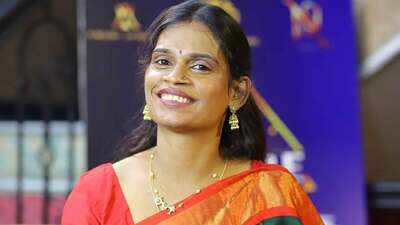
For Bharatanatyam dancer, actor and transgender rights activist Chandramukhi Muvvala, the stage has always been more than a performance space; it has been a place of healing, resilience and visibility.
From surviving homelessness after losing family support following her gender-affirming surgery to becoming one of Telangana’s prominent voices for transgender rights, her journey has intertwined art with activism. As conversations around inclusion continue to evolve, Chandramukhi reflects on finding community through dance, the realities of being visibly transgender, and the work that still remains.
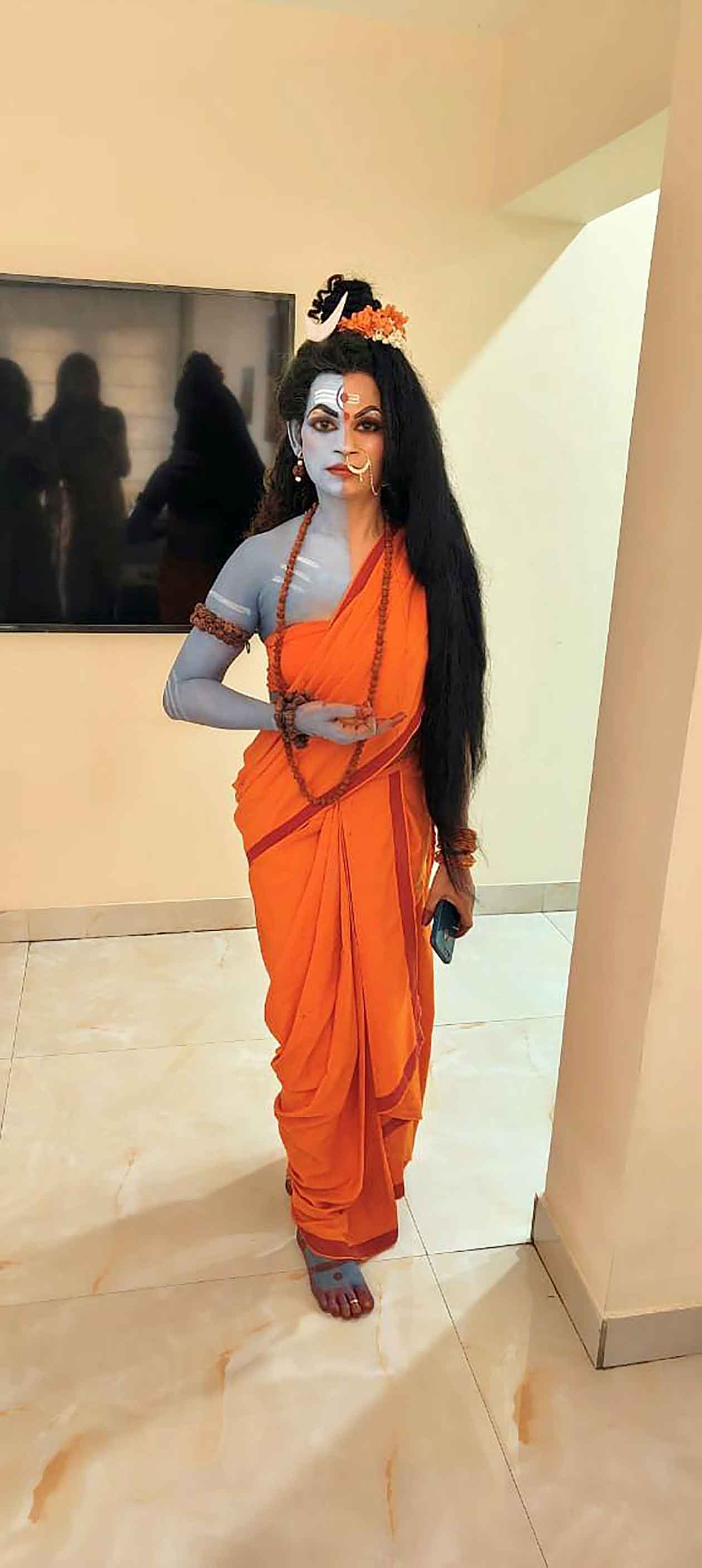
‘Dance became my language of healing’Growing up in the 1990s, Chandramukhi says there was little understanding of gender identity, leaving her to navigate childhood without role models or support.
“When I underwent gender-affirming surgery in 2011, I also lost the support of my family. I had nowhere to go. I slept at bus stops, survived without food for days, and wondered whether I would ever find a place where I belonged,” she recalls. That changed when a transgender woman named Suma welcomed her into the community.
“Dance became my language of healing. Bharatanatyam not only helped me express myself but also gave me a way to rebuild my life.”
It was through her work with an NGO, she says, that activism followed. “Today, my family has accepted me, but countless transgender people are still waiting for that acceptance. No child should have to choose between being themselves and having a home.”
Transgender people are, first and foremost, human beings. Like everyone else, we have our strengths and flaws. Society must learn to see us as individuals rather than reducing us to our gender identity
Chandramukhi Muvvala
‘Art allows us to tell our stories beyond labels’Chandramukhi believes art has the power to communicate experiences that words often cannot. “Art reflects our inner world.
It reveals our personality, our emotions and who we truly are in ways that words often cannot. That’s why so many transgender people gravitate towards artistic pursuits. For me, it’s Bharatanatyam; for others, it may be painting, music or theatre. Art becomes a powerful medium of self-expression; it allows us to tell our stories, express our identities and connect with people beyond labels.
It’s something that people across cultures can appreciate, admire and relate to.”
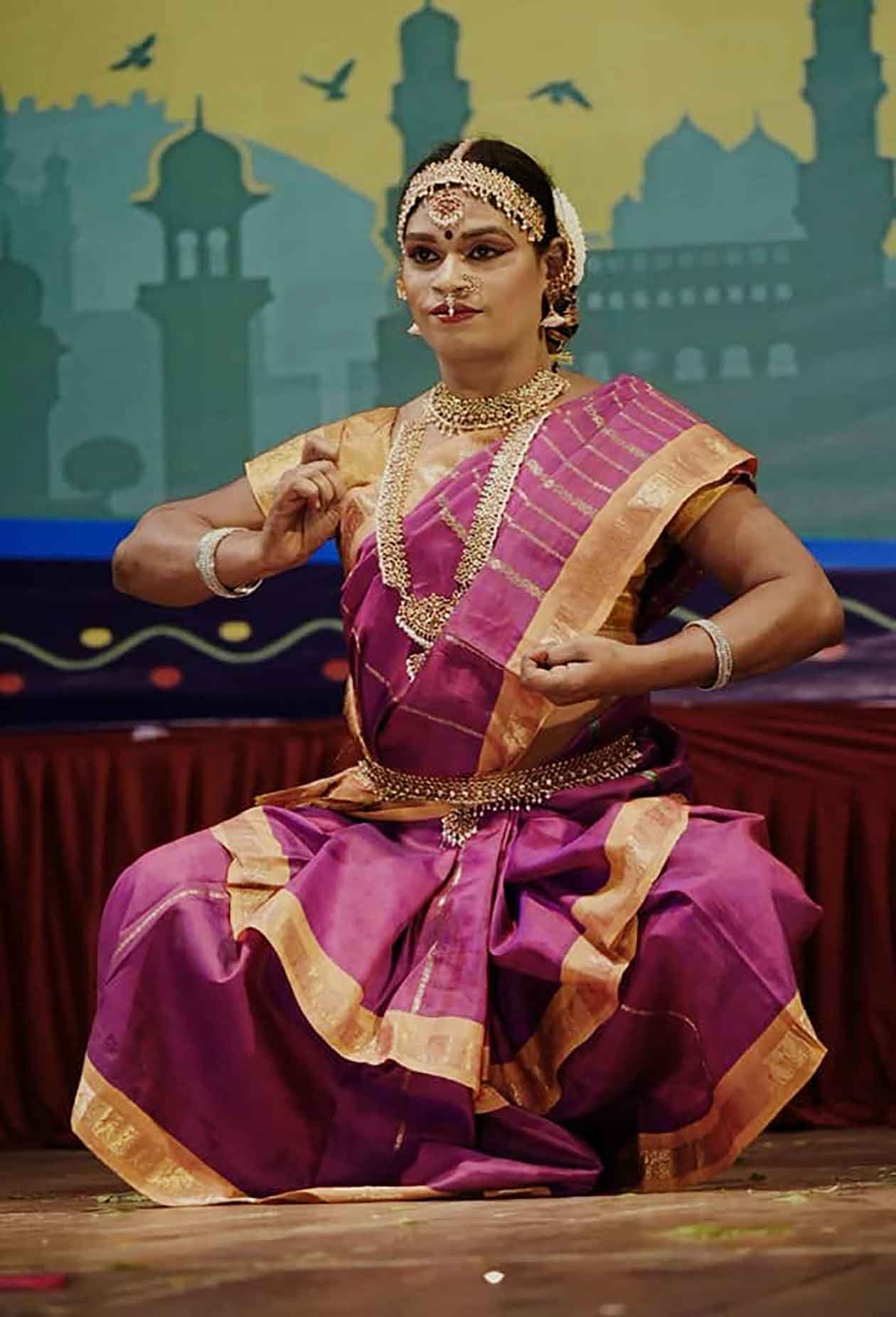
‘It’s the mindset that needs to change’While Chandramukhi acknowledges progress in Telangana through dedicated transgender clinics and employment opportunities across government sectors, she believes awareness remains just as important as policy. “There is greater awareness of transgender rights today, and many officials have become more sensitive to the need to treat transgender people with dignity and respect,” she says, adding that initiatives in the Hyderabad Metro, police and home guards have created greater visibility and opportunities.
Yet, she argues, lasting change depends on dismantling stereotypes. “People often judge an entire community based on the actions of a few. If one transgender person makes a mistake, the whole community is blamed. Society doesn’t apply the same logic to men or women.” She adds, “It’s the mindset that needs to change. Society must learn to see us as individuals rather than reducing us to our gender identity.”







 English (US) ·