

 1 hour ago
6
1 hour ago
6
ARTICLE AD BOX
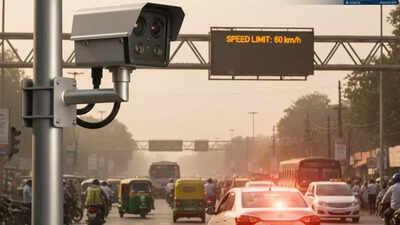
This article is authored by Himanshu Gupta, Founder & CEO of Lawyered.A change hums beneath India's roads. Repeat offenses now carry weight once ignored. Unpaid traffic fines pile up, flagged sharply lately.
This isn’t about spikes or crackdowns anymore.
A pattern forms - checks deepen, records sharpen. Digital tools hum behind it, pushing old habits into shadow. Central rules reshape what counts as violation. Consequences stick when drivers ignore patterns. Electric cars rolling across cities feel this pressure indirectly. Order builds slowly where chaos once ruled.Five years back, traffic checks relied mostly on old methods.
Now machines handle most tasks - cameras learn patterns, number plate scanners work without humans, while state records link up smoothly online. This shift means fines pop up digitally by the millions each year. Official numbers show over many crores are gathered from these automated moves every twelve months. Still, new citations keep piling up faster than resolutions happen.
That means many outstanding infractions remain unaddressed across state lines.
Nowhere is the problem clearer than under today’s enforcement shift.
Right now, given current guidance, payments or challenges on traffic violation notices need to happen before set deadlines. When nothing is done, the charge can be considered accepted by default. License penalties apply based on how many offenses appear - repeat violations lead to suspension or full revocation. Vehicles tied to ongoing unpaid tickets often hit roadblocks like blocked attempts to transfer ownership, renew documents, get driving permits cleared, even enforced vehicle seizures after proper legal steps are taken.
Even though these rules apply to all vehicles alike, their effect could feel stronger on electric cars than others.
Why EV Fleet Operators Face Higher Exposure
Across India, electric cars are not just parked in garages anymore - they now power ride-sharing services, short-distance deliveries, rental hubs, and company-wide transportation grids. These setups differ sharply from old-school car habits, since they live inside digital loan systems, data-tracking tech, and intense usage environments.
When systems break down, it often hits budgets hard too.Unlike private petrol and diesel cars, EVs are heavily used in ride hailing, last mile delivery, quick commerce, shared mobility, and corporate leasing, which means they operate far more hours every day in high surveillance metro corridors. Simple math makes the exposure clear. A private car may run 15 to 20 km a day, while a fleet EV may run 120 to 180 km a day, often with multiple drivers on the same vehicle and frequent crossings across municipal or state boundaries.
More kilometres mean more signals, more cameras, and more chances of violations, so repeat offences can accumulate faster and suspension thresholds can be reached sooner than owners expect.When challans stay unresolved, insurance work slows down. Resale deals hit snags because of it. Refinancing gets messy too. Fleet turnover grinds to a halt. For light-commercial EV firms barely making ends meet and swapping out vehicles fast, brief system hiccups throw off machine hours - and cash flow follows.
Fleet electric vehicles often move between cities and states, making it more likely that issues across different legal areas will go unnoticed at first.
The Awareness–Enforcement Gap
Hidden in plain sight - awareness still lags behind progress in digital tracking. Even though monitoring tools have moved fast forward, what people actually see when trying to follow rules is scattered across different platforms and state databases. Owners of vehicles, along with fleet operators, might learn about outstanding fines much later - through routine events like license updates, selling a car, loans, or policy applications - where acting quickly loses importance.When rules tighten, finding issues late hits budgets harder and risks climb faster.Charging infrastructure is also creating new compliance pressure points. As charging networks expand, enforcement around them increases, and violations like illegal parking at charging stations, overstays, blocking EV only spots, or parking near busy mall charging hubs are becoming more common. These are newer categories of violations that did not exist at scale earlier, but can still add up quickly in a high utilisation fleet.
From Sustainability to Regulatory Discipline
When India moves toward electric vehicles, people usually talk about saving energy and cutting carbon. Yet once the system grows stronger, meeting rules becomes just as key to trustworthiness. Early action in traffic enforcement aims to cut down repeated offenses, build better driver behavior, while reducing court workload via quick resolutions. Since the EV industry sees itself as key to ethical transportation, staying in step with rules has quietly become part of daily conduct.
Toyota Urban Cruiser Ebella Drive Review: Too late or still game? | TOI Auto
There are also EV specific compliance blind spots that many owners miss. High speed electric two wheelers that cross specified motor or speed limits need registration and a license, helmet rules still apply to electric two wheelers, and unauthorised performance modifications can invite penalties. At the same time, EVs do not require a Pollution Under Control certificate, so compliance checklists need to be updated correctly instead of being copied from ICE vehicle routines.
Compliance as Part of the Digital Mobility Stack
When systems start tracking enforcement data alongside transport records, oversight begins to move away from after-the-fact checks toward earlier detection.Right now, knowing where a challan stands matters just as much for EV fleets as tracking batteries or smoothing routes. When officials can act fast and stay compliant, it could shape how vehicles are worth, priced, and covered later.
A Broader Governance Reset
Down the road from Mumbai, rules on traffic are shifting alongside India’s drive to build smarter online systems.
Technology will keep pushing enforcement forward - delays in obeying laws now won’t slide so easily anymore. Right now, EV users and managers face a shift - not just a short-term tightening. With electric cars gaining ground through tech and change, following rules might quietly blend into daily workflows.Nowadays, skipping a payment through a challan isn’t just delaying money - it may slow down daily work too.Disclaimer: Views and opinions expressed in this article are solely those of the original author and do not represent any of The Times Group or its employees.









 English (US) ·