

 45 minutes ago
6
45 minutes ago
6
ARTICLE AD BOX
Last Updated:July 10, 2026, 15:26 IST
From Giribala Singh's 'roti-kadhi' meal to Atiq Ahmed brother's 'biryani' treatment and requests for eggs, pasta and chicken in Tihar Jail, here's what prison rules actually allow

Jail Food In India: The arrest of Giribala Singh and her son Samarth Singh in connection with the actress-model Twisha Sharma death case has once again put the spotlight on a question that often arises whenever high-profile accused are sent to jail: Do influential prisoners receive special food and privileges behind bars? Unlike several high-profile cases in the past, jail authorities said Giribala Singh and Samarth Singh ate the standard prison meal of roti with kadhi-pakora on their first day in judicial custody. According to officials, neither sought any special diet or preferential treatment, as reported by Bhaskar. The contrast has reignited debate over alleged "VIP treatment" in Indian prisons, including the widely discussed "biryani treatment" linked to gangster-politician Atiq Ahmed.

What Is The 'Biryani Treatment'? The phrase 'biryani treatment' became popular after allegations that gangster-politician Atiq Ahmed and his brother Ashraf Ahmed received special food and other VIP facilities while lodged in Uttar Pradesh prisons. According to a 2023 report, Ashraf allegedly arranged for chicken biryani from a vendor in Pilibhit whenever he wanted. The food reportedly entered the jail along with accompaniments such as salan and raita. The allegations led to police action against the food vendor, several jail staff members and deputy jailers accused of facilitating the illegal deliveries. The episode became symbolic of concerns that influential inmates sometimes receive preferential treatment despite prison rules requiring equal treatment for all prisoners.
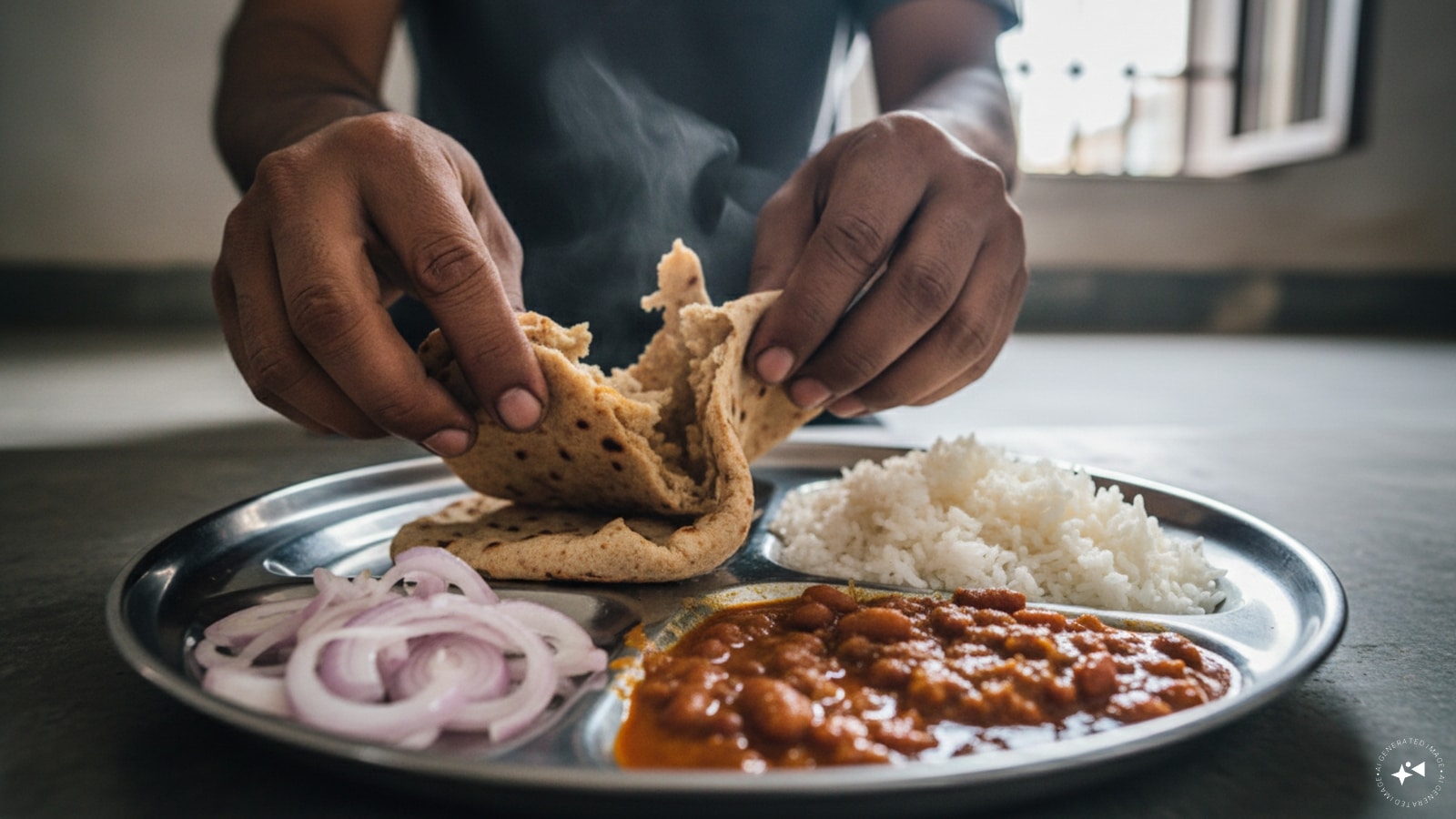
Can Prisoners Choose Their Own Food? The simple answer is no. Under India's prison rules, inmates cannot order food the way customers do in a restaurant or hotel. Every state follows its own prison manual, although many have adopted principles laid down in the Model Prison Manual of 2016, prepared by the Union Home Ministry. Meals are designed to meet nutritional requirements rather than individual preferences. Typically, prisoners receive: morning tea and light breakfast, lunch with dal, seasonal vegetables, rice and rotis, evening tea and dinner with similar staple foods. Special dishes such as kheer or poori may be served during festivals or on specific occasions.

When Can A Prisoner's Diet Be Changed? Although prisoners cannot demand their favourite meals, the prison manual allows exceptions in certain situations. A modified diet may be permitted for instance on medical grounds, that is, If the prison medical officer certifies that the standard diet is unsuitable because of conditions such as diabetes, kidney disease or malnutrition, inmates may be provided milk, fruits, porridge, boiled food or other medically prescribed meals, or during religious fasts, when prison administrations usually make arrangements for Sehri, Iftar, fruits, milk or dates during Ramadan, Navratri and other religious observances. Undertrials may seek court permission to receive home-cooked food at their own expense in exceptional cases, generally on medical or security grounds. Such permission is not routinely granted and does not apply to convicted prisoners.
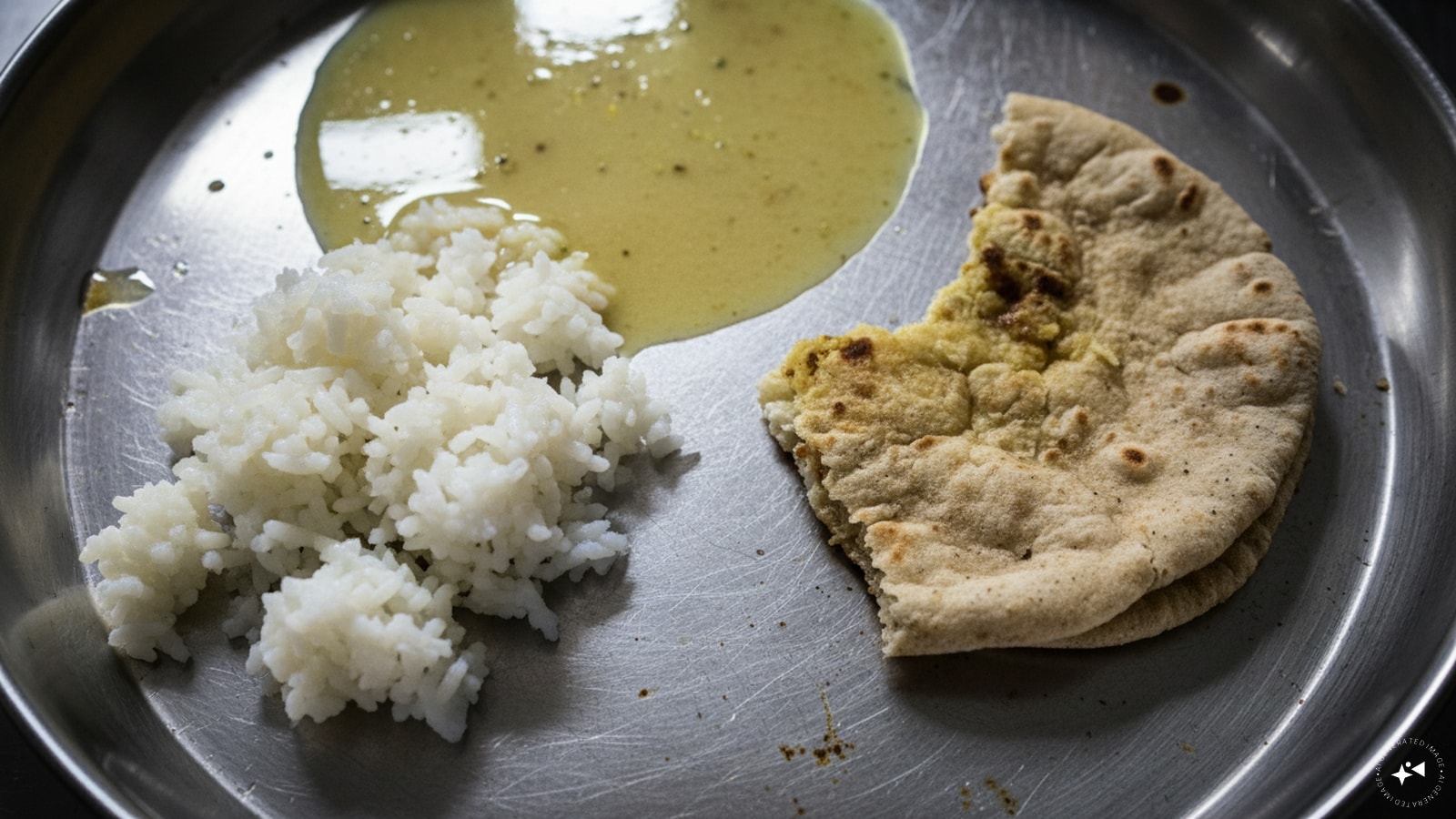
Can Prisoners Refuse Jail Food? Under prison rules, inmates cannot refuse prison food without a valid reason. An unjustified hunger strike or refusal to consume prison meals may be treated as a prison offence and can invite disciplinary action.

Courts have, however, permitted certain requests where justified. One example is Shahrukh Pathan, convicted in connection with the 2020 Delhi riots. He sought permission to receive four raw eggs daily and have access to a television while lodged in Tihar Jail. A court allowed the request, though Delhi Police later challenged the order.

Another case involves Matthew Aaron VanDyke, an American prisoner in Tihar Jail, who requested items such as chicken, pasta and soy milk, claiming oily and spicy Indian food affected his health. Such requests are examined individually, particularly when supported by medical evidence.
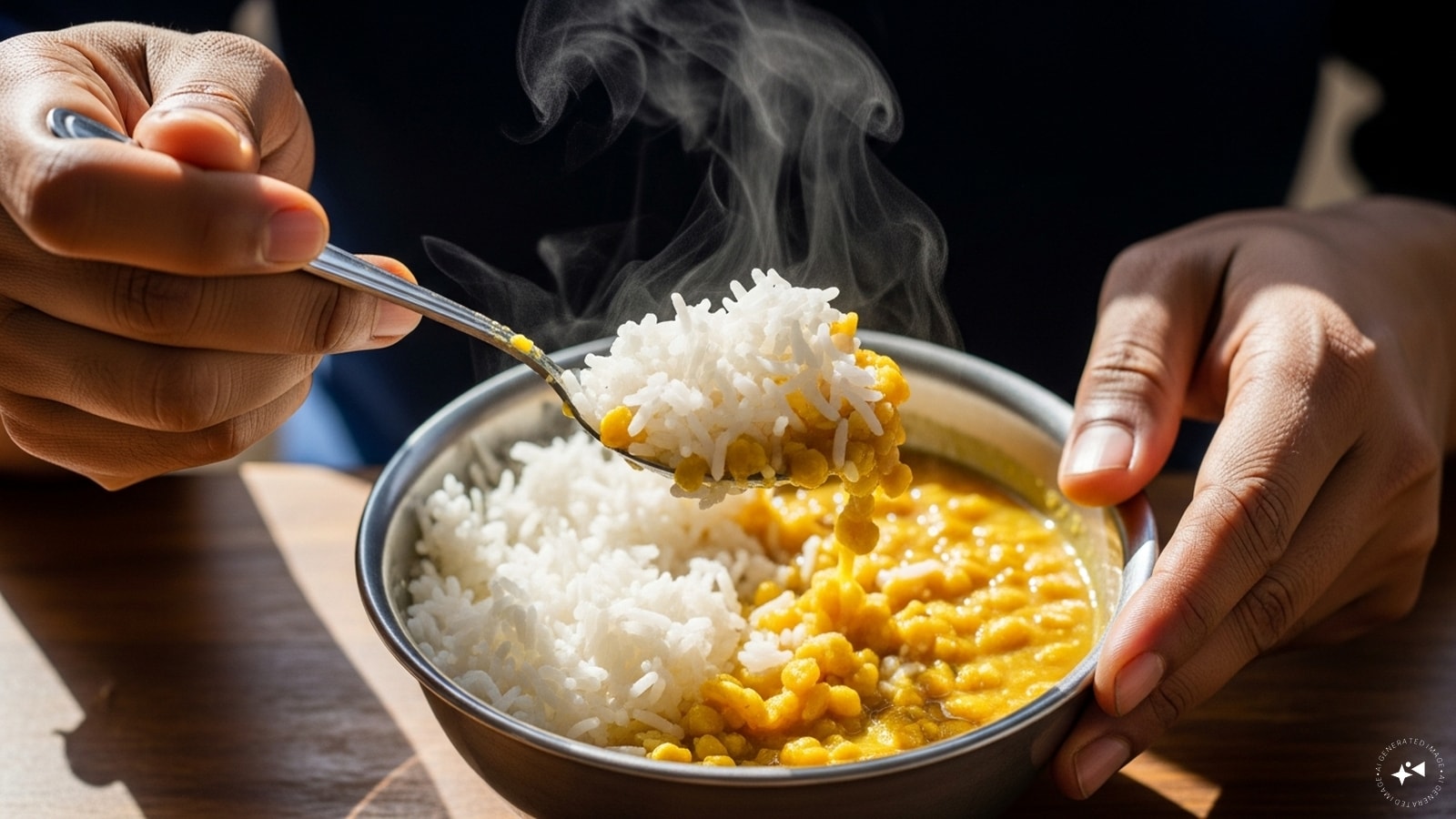
What Rights Do Prisoners Have? Indian prisons are intended not only for punishment but also for reform and rehabilitation. Under Article 21 of the Constitution, prisoners retain the right to life and dignity, which includes access to adequate food, healthcare and humane living conditions. However, these rights do not extend to luxury treatment or personalised menus based on influence or status.

How Other Countries Handle Prison Food: Prison food policies vary across the world. In the United Kingdom, inmates can choose from vegetarian, vegan, halal or kosher meals but cannot order food from outside. In the United States, prisons generally provide calorie-controlled meals, while inmates may purchase snacks and packaged food from prison commissaries using their own money. Countries such as Norway and Sweden follow a rehabilitation-focused model where many inmates prepare their own meals using groceries supplied by the prison. By contrast, prisons in countries including North Korea and Venezuela have faced criticism from human rights organisations for severe food shortages and poor nutritional conditions.

Equal Treatment Under The Law: The contrasting images of Giribala Singh eating the standard roti-kadhi meal and the alleged 'biryani treatment' once associated with Atiq Ahmed underscore the debate over equality inside Indian prisons. While prison rules permit dietary modifications for genuine medical or religious reasons, they do not allow inmates to demand special meals simply because they are influential or high-profile. In principle, India's prison system treats every inmate equally, with food and facilities determined by law rather than status.









 English (US) ·