

 1 hour ago
3
1 hour ago
3
ARTICLE AD BOX
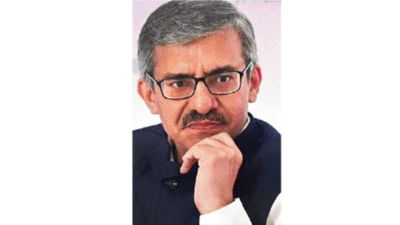
India’s education system is changing under the influence of the National Education Policy 2020 and employability and entrepreneurship are now being seen as essential outcomes rather than optional additions.
“Now, everywhere you go — whether to schools, or colleges, or universities, or even to a research institution — you would find people talking about doing things which are connected with the everyday requirements,” Vineet Joshi, secretary, higher education , told the TOI JPMorgan Chase roundtable on jobs and skills.Joshi’s argument was that the policy has created a major shift in mindset among all stakeholders, including educators, parents, students, and govt institutions.
He said government has already created several enabling frameworks, such as the National Credit Framework and entrepreneurship-oriented degree programmes. Regulators are not only permitting such innovations but actively encouraging institutions to adopt them.He, however, acknowledged that the education system remains heavily academic. Even where skill-based learning is introduced, the majority of instructional time is still devoted to conventional academic content.
He said curriculum reform cannot and should not attempt to chase every short-term market change.“Today there is some requirement, you study accordingly, and then tomorrow something else. What is needed more is to have individuals who are very flexible, who have the ability to learn, unlearn, and relearn,” he said. Joshi highlighted this with the example of top IIT students entering finance without formal preparation in that field, yet succeeding because of their ability to adapt and perform.







 English (US) ·