

 1 week ago
8
1 week ago
8
ARTICLE AD BOX
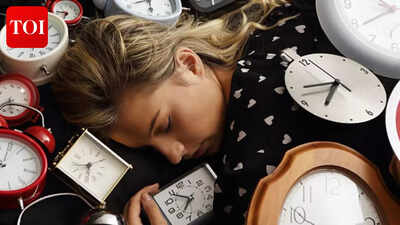
Long before Benjamin Franklin reminded the world that "time is money" in his 1748 essay Advice to a Young Tradesman, time had already been essential to human life.People relied on it to predict farming cycles, hunting seasons, birthing periods, and even the rhythm of day and night.Today, timekeeping has evolved into something far more convenient — and sometimes fashionable. A branded watch on the wrist is often more of a style accessory, while most people simply check their phones to know the time. The buzzing alarm clock has largely disappeared, replaced by customised alarm tones on smartphones.But before smartphones, wrist watches or alarm clocks existed, how did people manage to be ‘on time’? How did factory workers start their shifts? And how did kings and queens ensure their courts began at the right hour? History reveals some surprisingly creative answers.
A cock's crow

In the earliest of times, people heavily relied on natural cues for time management. Daylight was one of the main signals of the beginning of the day. "In many pre-industrial societies, daily life followed the rhythm of sunrise and sunset, which naturally shaped circadian rhythms," shared Fatima Yaqoot, professor of sleep health at the University of the Sunshine Coast in Australia with the BBC. People rose with the sun as homes were often designed to let the morning light in.
However, one of the most natural and first auditory alarm clocks that one can consider is roosters crowing at the crack of dawn. However, as per research the crowing was more in relation to their own circadian rhythm than in response to light. Since daily life at the time was structured around farming and nature, a call from the roosters was enough to wake up humans.
Church bells and religious calls
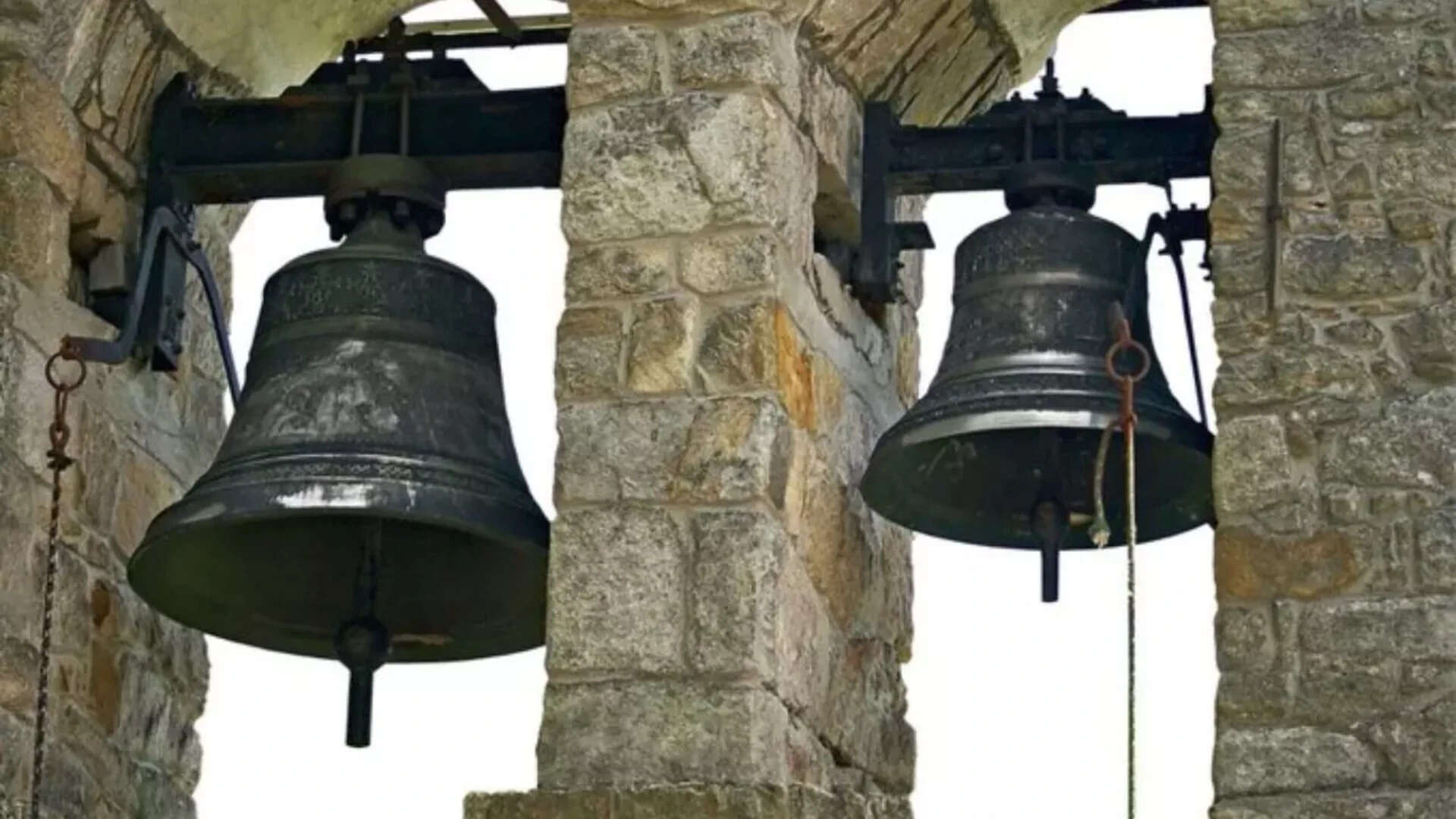
According to Sasha Handley, a professor of history at the University of Manchester in the UK, religious motivations were a "really important reason" for people to keep timekeeping devices nearby.
"They wanted to get to church at a particular hour, or say their morning prayers early in the morning, because they thought that brought them closer to God." Thus religious calls and church bells were a widespread signal to wake up. In 604 AD, Pope Sabinian introduced the use of bells to signal times of prayer. In medieval and early modern Western and Central Europe, life was organised around the parish unit and people used bells to start and organise their day.
These bells were rung by a bellringer every hour, who used an hourglass to keep time. However, in the richer households, the servants had bells. It was their responsibility to get up in the household first and wake up the masters and mistresses of the household.
Town criers

In medieval Europe, messengers called town criers were legally responsible for shouting official proclamations, bylaws, and news in town centres as most citizens were illiterate.
Often acting as "walking newspapers" they used a variety of instruments like bells and gongs to gather crowds. However, along with being messengers of information they also helped people gain a communal sense of the beginning of the day.
Innovative alarm clocks
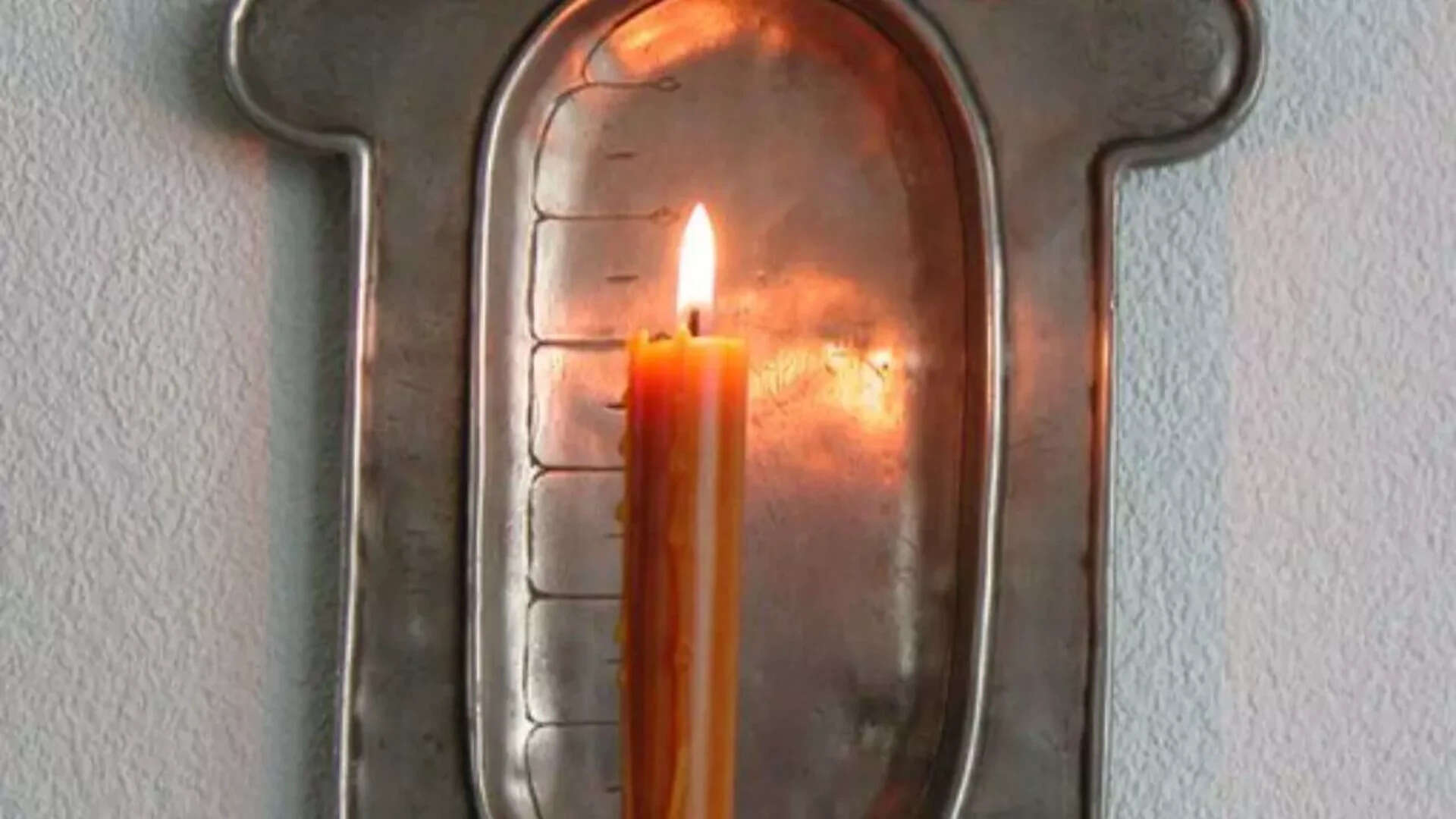
The first known alarm clock came way too late in 1787 and was invented by Levi Hutchins. However, there was a catch, it only rang at 4 am as that was the time for him to wake up. Mass-produced versions came years later.Thus, before that humans created innovative ways of sticking to time. One of the most famous innovations was the candle clocks. Finding their origin in ancient China, these were candles marked with incremental measurements of passing time and pinned with a nail. As the candle melted the nail would fall out into a little metal tray, approximately every hour.Incense was another thing used to keep time in China. Sometimes metal balls were attached to the incense and they would make a small clang when the threads burned, dropping into a metal tray below.Clepsydra, also known as water clocks were popular in ancient Greece and philosopher Plato is credited with first adapting one into an alarm in the 5th century BC. He trapped air inside a vessel where water was flowing; as the water increased so did the pressure, eventually resulting in a loud kettle-like whistle. By the end of the 13th century and early 14th century, mechanical clocks with oscillating mechanisms began to arrive.
These were followed by domestic wall clocks in the 15th century, which came with alarms, set using a pin.
Knocker uppers
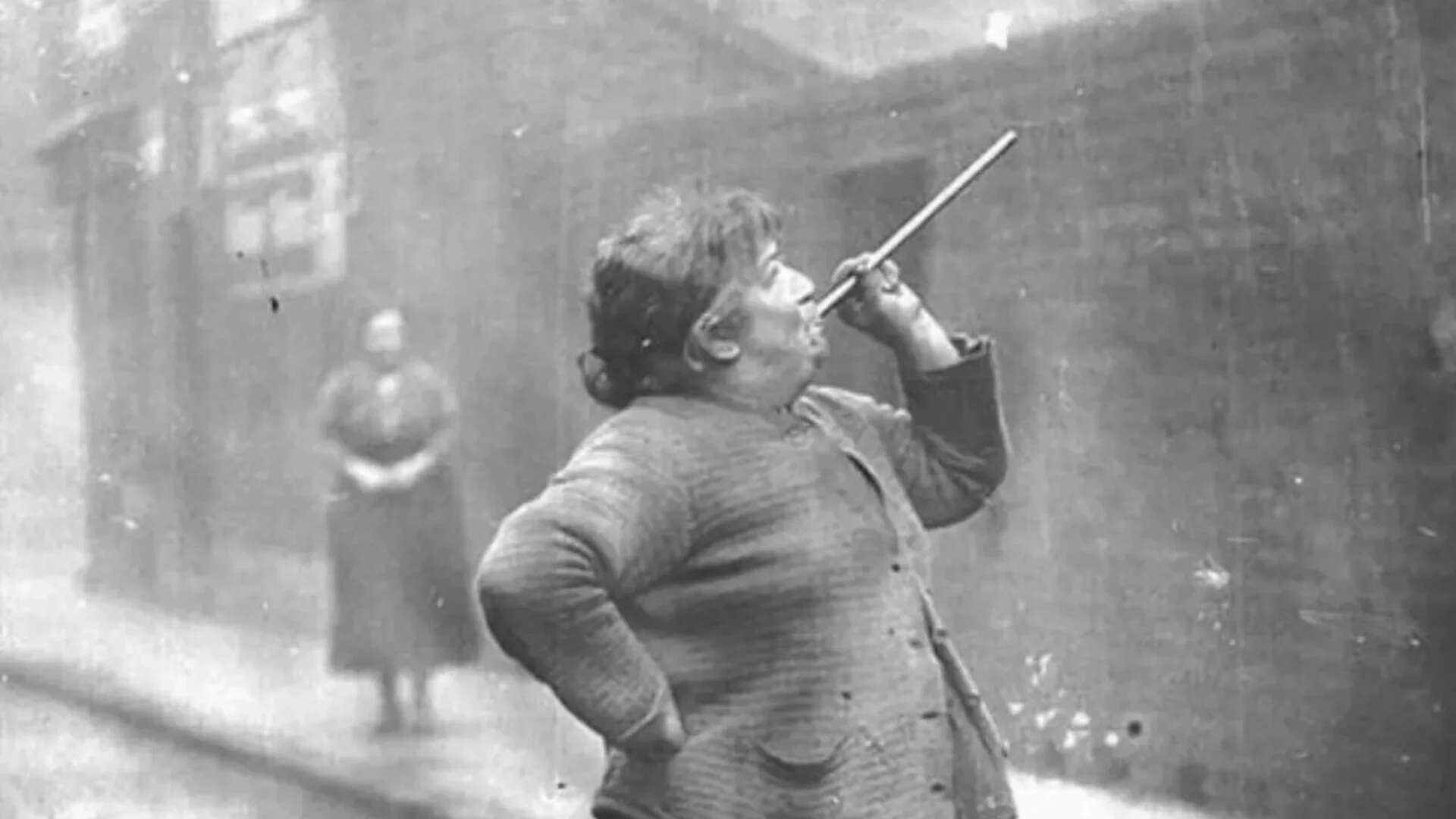
Probably one of the most popular forms of human alarm clocks were the knocker-uppers who gained prominence in the late 18th century with the rise of the Industrial Revolution in Britain. New factories needed early start times for workers and with alarm clocks being far too expensive for mass availability, the profession of knocker-uppers rose. Arunima Datta, associate professor of history at the University of North Texas shared that these human alarm clocks would walk their way down the streets and entire neighbourhoods, knocking or tapping on windows or shooting peas at them. "They would stand there until they got a response from their clients, they wouldn't move."Knocker-uppers would stay up all night and begin waking people up at 3 am. One of the most famous ones was Mary Smith who served factory workers in East London.
Smith would make use of a hollowed bamboo stick to shoot peas at the client's windows. In the 19th century, similar professions arose in other European countries with hooters in Italy and reveilleurs in France. However, by the late 19th century and early 20th century, the professions died down with the rise in mass production of alarm clocks with companies like Westclox in the USA making them in huge numbers.
From clocks to smartphones

As time progressed so did creativity. Alarm clocks came in all kinds of sizes and shapes.
There were even radio clocks that allowed one to wake up to a tune and wrist watches became lifesavers for those travelling a lot.By the 2000s, iHome and other companies jumped on the iPod boom and devices that woke you up with your own playlist.Then came the phones, one at a time, they took over the clock world. The first phone with a built-in alarm clock was the IBM Simon launched in 1994. Over the years, as phones got smarter and more accessible, there was no need for candles, water or even people. A few taps and clicks, and you have an alarm clock right by your bedside. Now, mechanical alarm clocks are a thing of history: a prideful vintage for the sticklers of the past and a house adornment for the decorators of today.









 English (US) ·