

 1 week ago
12
1 week ago
12
ARTICLE AD BOX
4 min readGuwahatiFeb 12, 2026 07:25 AM IST
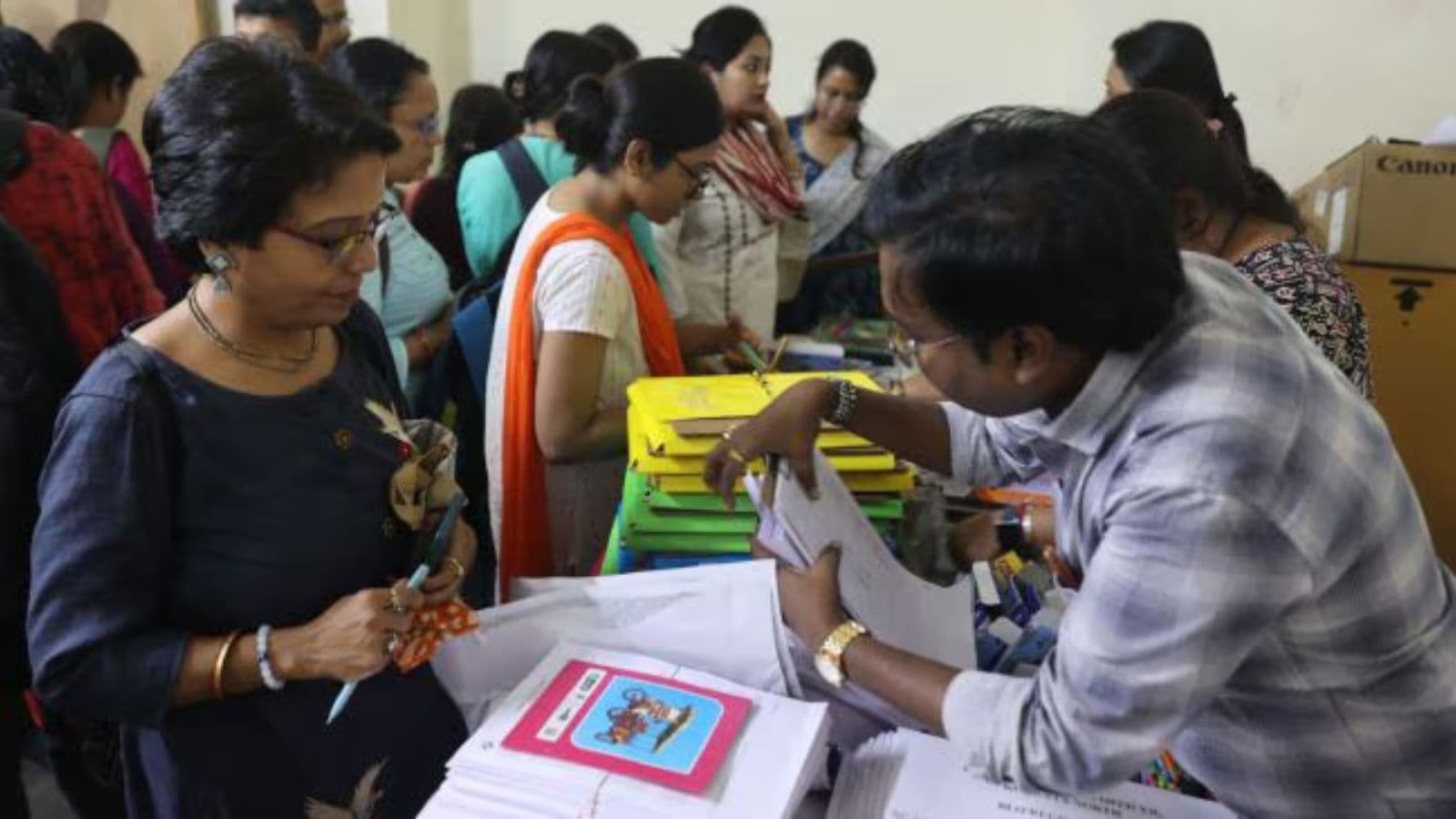 The final list published on Tuesday has a net decrease of 2.43 lakh voters from the draft list that had been released in December.
After the widespread panic and political rhetoric that had surrounded the Special Revision in Assam, Assam Chief Electoral Officer Anurag Goel said Wednesday that the number of voters in the final list, published Tuesday, is largely in line with the findings of Booth Level Officers during the house-to-house visits before the contentious claims and objections period.
The final list published on Tuesday has a net decrease of 2.43 lakh voters from the draft list that had been released in December. According to data from the CEO’s office, during the claims and objections process, a total of 5.86 lakh Form 6 applications – for the inclusion of new voters – had been accepted, out of 7.6 lakh received. Form 7 applications – for the removal of a name in the electoral roll, either on the ground that they are dead or “absent”, or have “permanently shifted” from their polling booth – were the most contentious part of the exercise, with large numbers of bulk and false objections by third parties being filed during it.
“In many places, where we found that many bulk applications had been filed, the Election Registration Officers had been authorised to verify whether these were legitimate applications. In many cases, applicants were not even aware that complaints had been registered against their EPIC numbers… The applications found invalid were summarily dismissed, and these are not counted as applications received,” said Goel. When asked how many such applications were dismissed, he said that this was not enumerated.
According to the CEO data, of the 12.97 lakh Form 7 applications that were received, 1.9 lakh were rejected, 10.63 lakh were accepted, and another 43,536 are still pending for processing. Additionally, 15.36 lakh Form 8 applications – for the correction of particulars in the electoral roll – were received, of which 13.46 lakh were accepted.
This means that 10.63 lakh entries have been deleted from voter lists – which also includes people whose names were deleted from one polling station to facilitate the transfer of their vote to another location – and that 5.86 lakh voters have been added to the list.
Goel said that the “final additions and deletions are not too different from the findings by BLOs during the house-to-house survey”, which had been conducted to help create an estimation of how many voters need to be included or removed through the course of the claims and objections process.
During the house-to-house visits by BLOs to physically verify the voter lists, they had identified over 4.78 lakh names for deletion because of the deaths of electors; 5.23 lakh voters identified to have shifted from their registered locations; 53,619 identified as duplicate entries for corrections. They had also identified 6.27 lakh people over 18 who had not been included in the voter list and 1.46 lakh “potential voters” over 17 years of age.
Story continues below this ad
Last November, it was announced that unlike other states headed for elections in 2026, Assam — because the National Register of Citizens (NRC) exercise has not yet been taken to its logical conclusion — would go through a Special Revision process, which CEO officials have described as a “modified version” of the summary revision of electoral rolls that happens annually in each state, with the key added component of rigour being the house-to-house visits by the BLOs.
The process became contentious during the house-to-house survey period when voters across constituencies began receiving notices summoning them for hearings based on “objections” or complaints against the inclusion of their name in the electoral roll, either on the ground that they are dead or “absent”, or have “permanently shifted” from their polling booth.
The matter had become even more controversial when Chief Minister Himanta Biswa Sarma claimed that these objections had been filed by BJP workers on his directions to “trouble Miyas” – a term used pejoratively to refer to Bengali-origin Muslims in the state. Even on Tuesday, he claimed that complaints filed by BJP workers had led to “lakhs” of names being removed from the rolls.

Sukrita Baruah is a Principal Correspondent for The Indian Express, based in Guwahati. From this strategic hub, she provides comprehensive, ground-level coverage of India's North East, a region characterized by its complex ethnic diversity, geopolitical significance, and unique developmental challenges. Expertise and Experience Ethnic & Social Dynamics: Deep-dive coverage of regional conflicts (such as the crisis in Manipur) and peace-building efforts. Border & Geopolitics: Tracking developments along India’s international borders and their impact on local communities. Governance & Policy: Reporting on state elections, tribal council decisions, and the implementation of central schemes in the North East. Specialized Education Background: Prior to her current role, Sukrita was a dedicated Education Correspondent for The Indian Express in Delhi. This experience provided her with a sharp analytical lens for: Policy Analysis: Evaluating the National Education Policy (NEP) and university-level reforms. Student Affairs: Covering high-stakes stories regarding campus politics, national entrance exams, and the challenges within the primary and secondary education sectors. ... Read More
Stay updated with the latest - Click here to follow us on Instagram
© The Indian Express Pvt Ltd



 English (US) ·