

 1 day ago
4
1 day ago
4
ARTICLE AD BOX
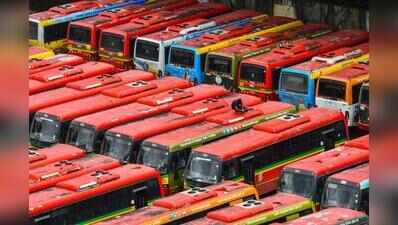
The proposal comes amid growing concerns over the condition of wet-lease electric buses, particularly during the monsoon when breakdowns typically increase
Mumbai: Raising concerns over the maintenance and safety of BEST’s wet-lease bus fleet, BEST committee member Ajay Singh on Tuesday proposed that 125 technicians employed full-time with the undertaking should be deployed to maintain all 2,551 wet-lease buses on a paid basis.He said the move would not only improve passenger safety and operational reliability but also generate substantial revenue for the undertaking.Singh’s proposal comes amid growing concerns over the condition of wet-lease electric buses, particularly during the monsoon season when breakdowns typically increase. With BEST currently operating a relatively small fleet of around 2,800 buses, vehicle failures during monsoon result in buses being taken off the roads for repairs, directly affecting commuter services across the city.The issue has also assumed greater significance in light of three major bus accidents in recent years — at Kurla, Bhandup and Dadar. According to Singh, all three vehicles involved were electric air-conditioned buses with automatic transmission operating under the wet-lease model. He stressed that while fleet expansion is important, proper maintenance and regular inspections are critical for ensuring passenger safety.
Recent inspections conducted by committee members at the Oshiwara depot revealed several maintenance-related concerns. A total of 22 buses were found to have leakage-related defects and have since been earmarked for detailed inspection and repairs.Singh also highlighted recurring technical issues in the electric bus fleet. Inspections and operational data showed that air-pressure leaks in braking systems have emerged as a major concern.
According to figures cited by him, 89 buses reported such defects in April 2026, rising to 91 buses in May. In the first fortnight of June alone, 49 buses were affected.“These recurring defects, along with air-conditioning failures and other technical glitches, are disrupting services and reducing fleet availability,” said Singh.He argued that BEST’s own experienced technical workforce could undertake maintenance of wet-lease buses more effectively than private operators. Apart from improving oversight and accountability, the arrangement could create an additional revenue stream for the cash-strapped undertaking.BEST officials were unavailable for comment on the proposal.







 English (US) ·