

 4 days ago
8
4 days ago
8
A three-day scientific bird survey in the Vazhachal Forest Division has revealed a remarkable surge in avian diversity, reinforcing the region’s reputation as one of the world’s richest biodiversity hotspots.
The systematic survey, jointly conducted by the Kerala Forest department and the Western Ghats Hornbill Foundation (WGHF) from February 13 to 15, brought together nearly 30 ornithologists, experts, and amateur birdwatchers, along with 45 forest officials and watchers from the Athirappilly, Charpa, Vazhachal, Kollathirumedu, and Sholayar ranges.
Covering nearly 40 carefully mapped transects, the teams explored a wide array of habitats, including primary evergreen, semi-evergreen, and moist deciduous forests, riparian corridors, and plantation landscapes. The division’s ecological gradient — extending from low-elevation riverine forests to high-elevation evergreen and sub-montane zones — played a pivotal role in supporting this exceptional diversity.
Species count
The survey documented 198 bird species, raising the cumulative bird count of the Vazhachal Forest Division to 225 species. Conservationists described the findings as highly significant, noting that the list includes 23 species endemic to India and 15 species found exclusively in the Western Ghats.
Among the most notable sightings were the elusive Wayanad Laughingthrush, Sri Lankan Frogmouth, Indian Blue Robin, and Forest Wagtail. Researchers recorded higher bird diversity in low-elevation transects dominated by riparian and evergreen forests. The continued presence of seasonal migrants such as the Forest Wagtail and Indian Blue Robin late into the season was also observed, suggesting possible shifts linked to changing climate patterns.
A major highlight of the survey was the strong presence of hornbills across the landscape. “Another key highlight was the documentation of a significant population of Great Hornbills; 23 transects recorded more than 33 individual observations, which is substantial considering it is the nesting season,” said Amitha Bachan, director of the Western Ghats Hornbill Foundation.
The teams also recorded active nesting of the Great Hornbill, Malabar Pied Hornbill, and Malabar Grey Hornbill — a vital indicator of the forest ecosystem’s health and stability, he added.
indigenous communities
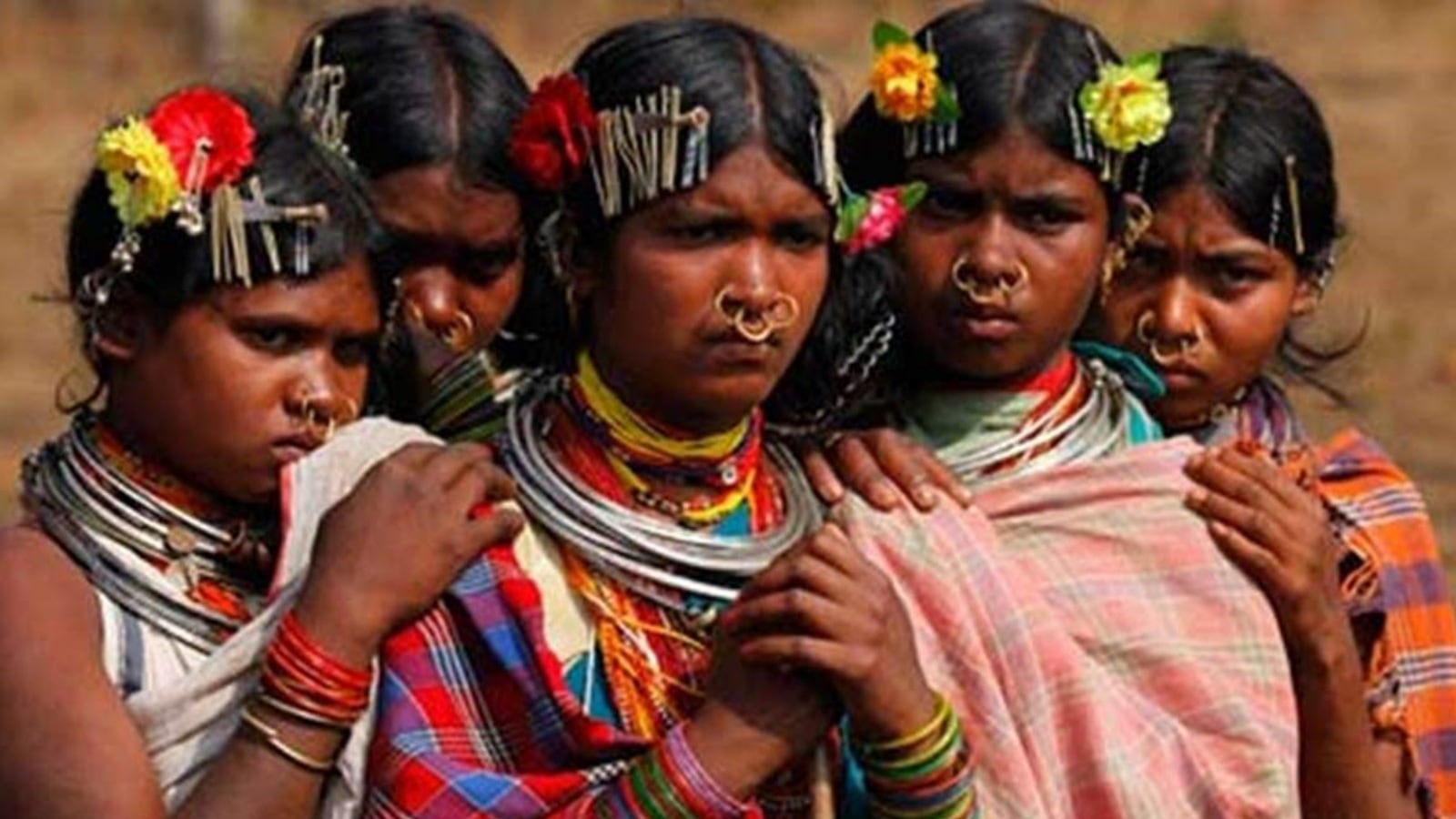
The survey further underscored the crucial role of indigenous communities, particularly the Kadars, whose experienced watchers guided teams through dense interior forests. Their traditional ecological knowledge proved invaluable in locating nesting trees and navigating challenging terrain.
Divisional Forest Officer Suresh Babu emphasised that periodic, participatory, and scientific wildlife surveys are essential for understanding long-term ecosystem dynamics and guiding conservation planning.
“The data collected will serve as a robust scientific baseline for future conservation strategies. By integrating records of rare endemic species and hornbill nesting data, we aim to strengthen habitat management and continue such monitoring programmes annually,” he said.
The survey was coordinated by the Charpa Range under the leadership of RFO Akhil, with technical and research support provided by Dr. Amitha Bachan and the Western Ghats Hornbill Foundation.







 English (US) ·