

 1 hour ago
5
1 hour ago
5
ARTICLE AD BOX
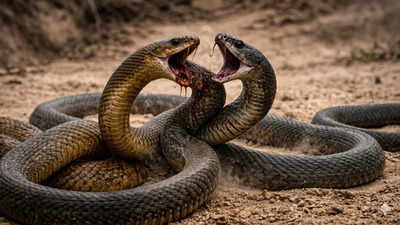
When comparing the inland taipan with the black mamba, there are some similarities that make the discussion interesting and compelling when looking at venomous snakes. The two snakes are feared; they are both specialists in hunting, and their reputations can be considered among the best in the reptile kingdom.
The inland taipan is commonly referred to as the snake with the deadliest venom ever recorded in any snake species. On the other hand, the black mamba is commonly known for its fast movements and aggressive attacks compared to other snakes in Africa. When placed together, the problem becomes straightforward on the surface but challenging in practice: which snake will be victorious in a confrontation?
Black mamba and Inland taipan: List of key differences
| Feature | Inland Taipan | Black Mamba |
| Average Length | 1.5–2 metres | 2–2.5 metres |
| Maximum Length | Up to 2.8 metres | Up to 4.3 metres |
| Weight | Around 1–2 kg | Around 1.5–2 kg |
| Venom Type | Extremely potent neurotoxin | Fast-acting neurotoxin |
| Behaviour | Shy, avoids conflict | Defensive, highly reactive |
| Strike Style | Fast, close-range strikes | Long-range, raised striking |
| Habitat | Australia (arid regions) | Sub-Saharan Africa |
Black mamba vs Inland taipan: Understanding physical characteristics, size, venom, and more
Size and physical advantage
The black mamba generally holds the size advantage. It tends to grow longer and appears more elongated and agile in movement.
Inland taipans are smaller and more compact. That difference matters in close encounters. A longer snake can maintain distance and strike from a safer position.Still, size alone does not guarantee control. Inland taipans are tightly built and extremely fast in short bursts. They do not rely on intimidation.
Speed and strike behaviour
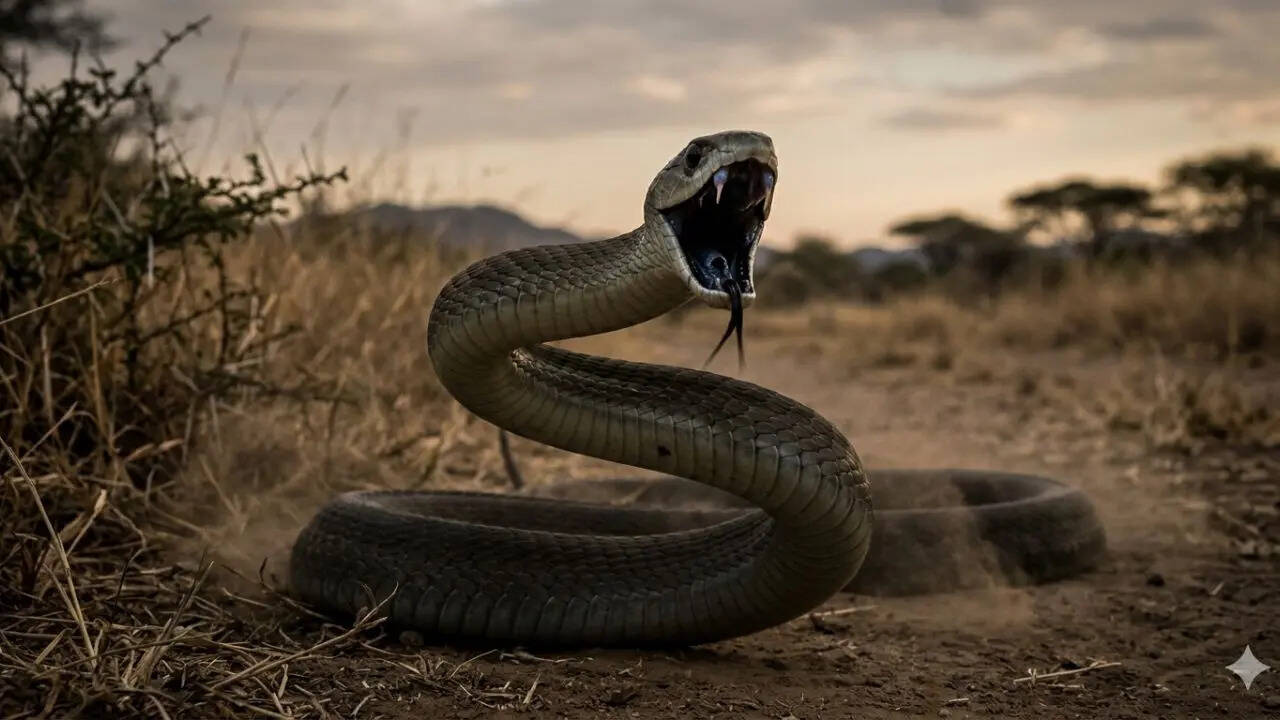
Black mambas are often described as among the fastest snakes in the world. Reports suggest they can move quickly over short distances, especially when escaping or defending themselves.
They also have a striking posture that lifts a large portion of their body off the ground, giving them range.Inland taipans are not slow either. Their strike is sharp, direct, and highly accurate. They do not usually engage in extended confrontations. Experts often say the mamba has the advantage in reach and movement.
Venom strength
The inland taipan is frequently labelled as the most venomous snake in the world. Its venom is extremely potent, targeting the nervous system and blood clotting processes.
In laboratory conditions, very small amounts can be lethal to mammals.The black mamba’s venom is also highly dangerous. It acts quickly and can cause severe neurological effects. Untreated bites in humans can be fatal within hours.The difference is not about whether one is “safe” and the other is not. Both are deadly. The taipan’s venom is often considered more toxic per milligram, while the mamba delivers larger quantities and acts aggressively when biting.
Behaviour and fighting instinct
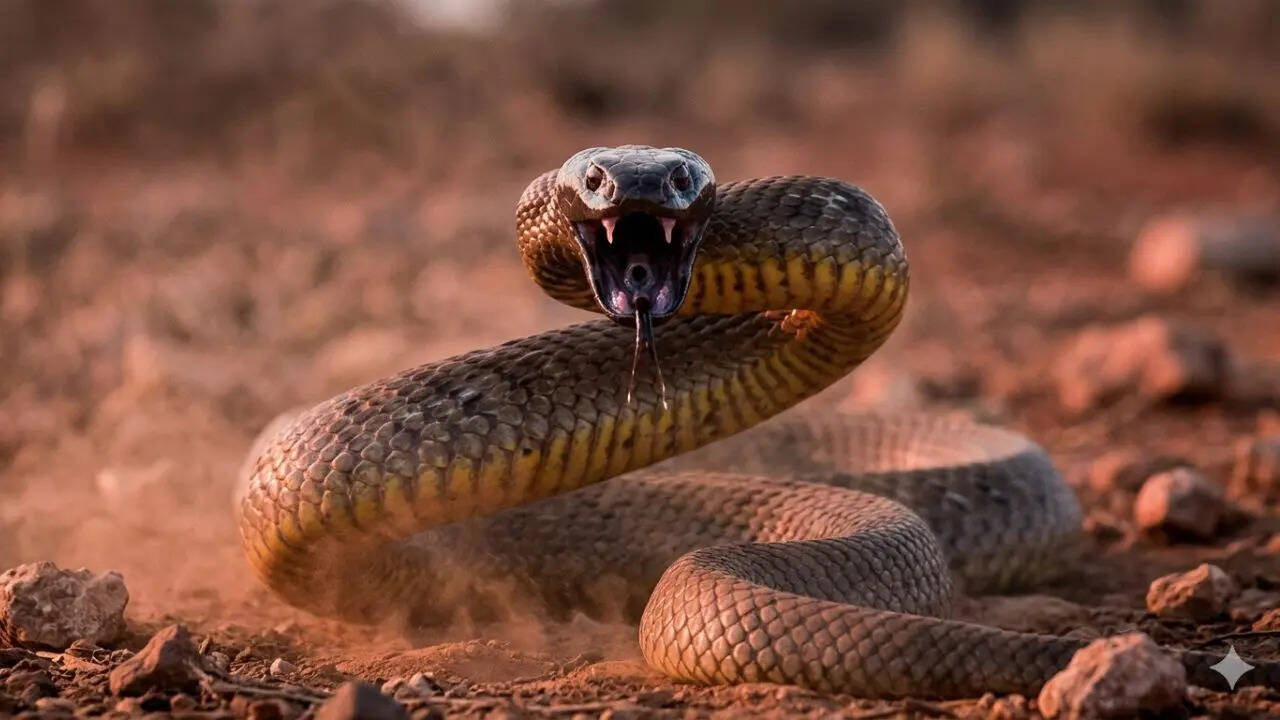
Behaviour might be the biggest deciding factor. The inland taipan is usually reclusive. It avoids confrontation and prefers to escape if disturbed. It does not actively seek conflict.The black mamba behaves differently. It is more reactive, sometimes defensive, and more willing to hold its ground. When threatened, it does not retreat as quickly.
Black mamba vs Inland taipan: Who would likely win
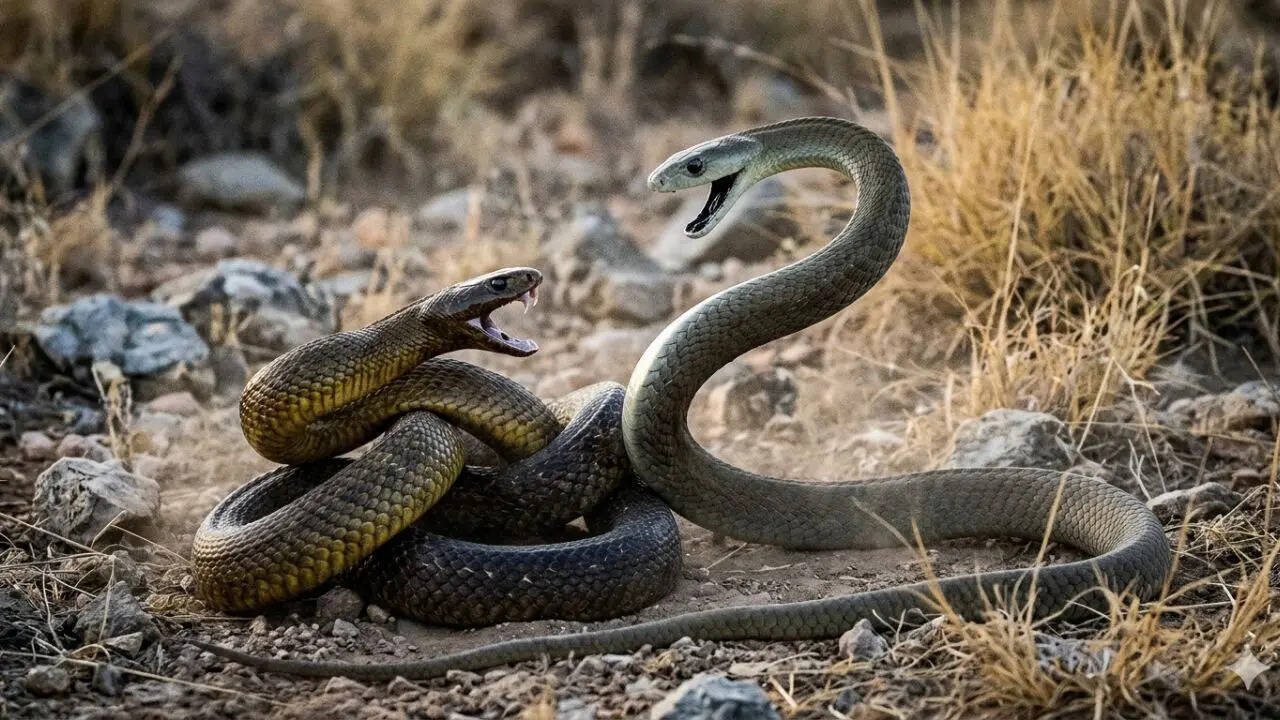
Both snakes can kill each other. In case of biting, both of them can die because of the effects of their venom. The result is determined mainly by the initiator of the fight. The black mamba's ability to strike at a distance and attack, as well as its larger size, could provide the initiative for victory. The inland taipan has the most toxic venom, and one bite is enough to kill.However, in a real fight, the black mamba is most likely to favour.








 English (US) ·