

 1 hour ago
5
1 hour ago
5
ARTICLE AD BOX
Last Updated:February 17, 2026, 17:06 IST
India’s immediate priority, sources say, will be ensuring the safety and security of Hindu minorities in Bangladesh under the new regime


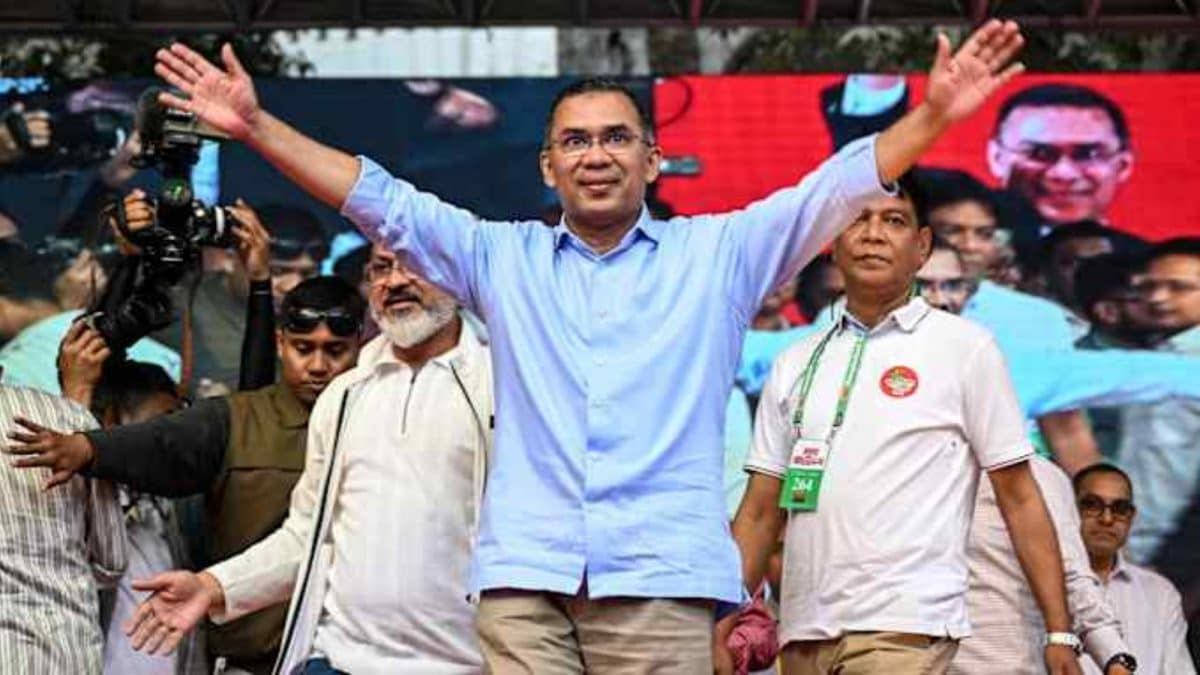
Diplomatic sources describe the BNP as relatively moderate and economically pragmatic, noting Bangladesh’s deep trade interdependence with India. (AFP)
The landslide electoral victory of the Bangladesh Nationalist Party (BNP) under Tarique Rahman is being viewed by top diplomatic sources in New Delhi as a potential opportunity to stabilise and reset India-Bangladesh ties following the departure of former prime minister Sheikh Hasina.
However, alongside cautious optimism, Indian officials are closely monitoring developments on the security front, particularly the strong electoral performance of Bangladesh Jamaat-e-Islami, which secured around 68 seats, many concentrated near the India-Bangladesh border.
A Window for Reset—With Conditions
Speaking to CNN-News18, diplomatic sources describe the BNP as relatively moderate and economically pragmatic, noting Bangladesh’s deep trade interdependence with India. With bilateral trade valued at roughly $10 billion annually, New Delhi sees engagement with the BNP-led government as preferable to a more Islamist-dominated political arrangement.
India’s immediate priority, sources say, will be ensuring the safety and security of Hindu minorities in Bangladesh under the new regime. New Delhi is expected to push for the release of arrested Hindu leaders and the restoration of temples reportedly damaged during recent episodes of violence following Hasina’s exit.
Jamaat’s Rise Triggers Security Concerns
Despite the positive signals from the BNP’s win, India is concerned about Jamaat’s strong parliamentary presence. Officials fear that as a major opposition force, Jamaat could fuel anti-India rhetoric and complicate cooperation on sensitive bilateral issues.
The concentration of Jamaat seats in border districts has raised fresh alarms in New Delhi, particularly in eastern states that share porous land and riverine boundaries with Bangladesh.
Pakistan’s Renewed Engagement With Dhaka
Adding to India’s unease are reports of revived high-level diplomatic contacts between Dhaka and Pakistan. Indian officials view Islamabad’s outreach as strategically significant, especially given past intelligence concerns regarding cross-border networks and eastern frontier vulnerabilities.
Security sources allege that groups such as the Arakan Rohingya Salvation Army (ARSA) and the Rohingya Solidarity Organisation (RSO) have received funding or facilitation through networks linked to Pakistan’s intelligence proxies. These groups are also alleged to have operational links with Jamaat-ul-Mujahideen Bangladesh (JMB) and Al-Qaeda in the Indian Subcontinent (AQIS).
Indian agencies remain wary of potential radicalisation spillover from Rohingya camps, which they believe could serve as hubs for recruitment, militant training and anti-India activities.
Northeast and Border Vulnerabilities
There are additional concerns about radicalised elements attempting to infiltrate India’s Northeast through both land and maritime routes. Officials fear risks ranging from sabotage operations and counterfeit currency networks to drug trafficking syndicates and proxy militant activity.
New Delhi is also cautious that political volatility under the BNP government could delay or derail major bilateral initiatives, including discussions on the Teesta water-sharing agreement and rail and connectivity projects.
Trade and Strategic Stakes
Diplomatic sources emphasise that while the BNP offers a pragmatic opening for engagement, Jamaat’s significant presence could complicate matters. Anti-India sentiment, if politically mobilised, may affect trade flows and long-term economic cooperation.
For India, the message appears clear: engage swiftly with Dhaka’s new leadership, safeguard minority rights, and intensify border security monitoring—all while watching closely how internal political dynamics in Bangladesh evolve in the months ahead.
Handpicked stories, in your inbox
A newsletter with the best of our journalism
First Published:
February 17, 2026, 17:06 IST
News india BNP Win Opens Door For Reset In Bangladesh Ties But Jamaat Surge, Pakistan Raise Red Flags | Exclusive
Disclaimer: Comments reflect users’ views, not News18’s. Please keep discussions respectful and constructive. Abusive, defamatory, or illegal comments will be removed. News18 may disable any comment at its discretion. By posting, you agree to our Terms of Use and Privacy Policy.
Read More




 English (US) ·