

 4 hours ago
6
4 hours ago
6
ARTICLE AD BOX
It has been a year since the tragic Air India AI171 flight from Ahmedabad to London crashed into the BJ Medical College hostel, killing 260 people, including 241 passengers and crew members and 19 people on the ground.
The circumstances surrounding the accident—one of the worst aviation disasters in Indian history—are still under investigation. A year on, two key members of the relief and rescue operation have spoken about the tragedy.
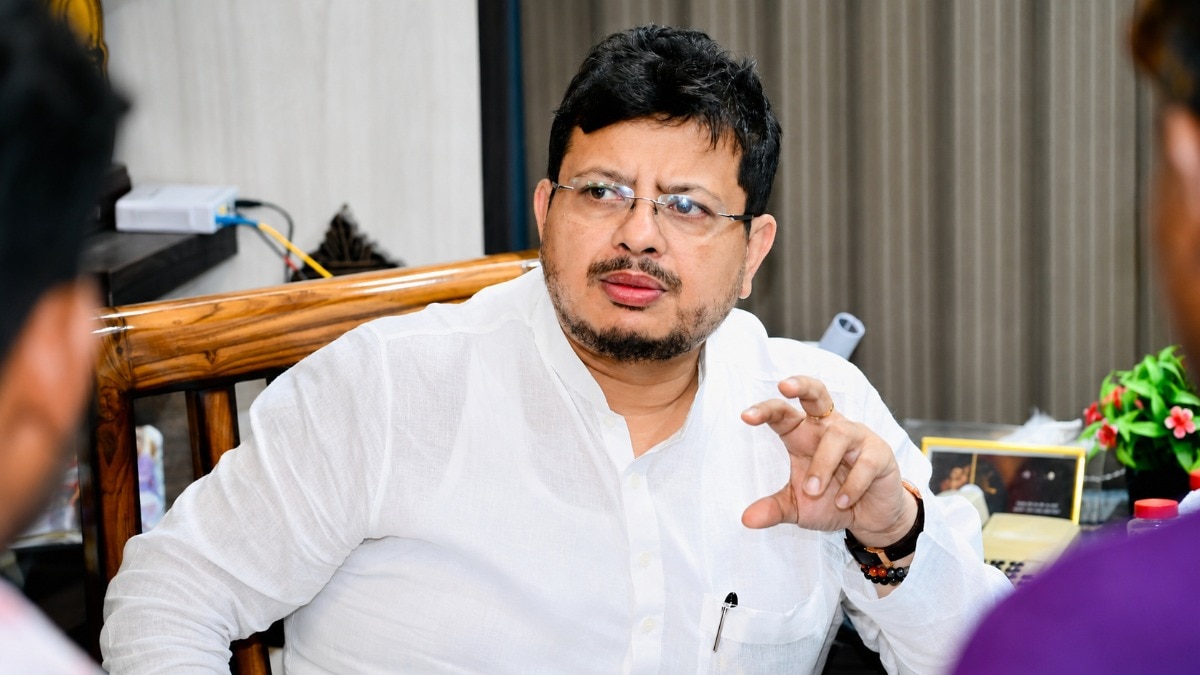
Dr Rakesh Joshi, Superintendent of Ahmedabad Civil Hospital, and GS Malik, now DGP Gujarat and the then Police Commissioner of Ahmedabad, recalled how multiple departments worked together to manage the massive relief and recovery operation.
'BODIES WERE UNRECOGNISABLE'
Dr Joshi told India Today TV that the morning of 12 June 2025 began like any other routine day. He was in the middle of a surgery when, around 1:45 pm, the hospital’s chief security officer alerted him about thick black smoke rising near the campus, possibly due to a fire.
He said he initially asked for verification, but within seconds received another call confirming that a plane had crashed in the BJ Medical College hostel area. Dr. Joshi immediately handed over the surgery to other doctors and rushed out.
Soon after, it became clear that the aircraft was an international flight. En route to the trauma centre, he instructed all available doctors to report there immediately, anticipating mass casualties given the proximity of the crash site.
He recalled that the first injured patient who arrived at the trauma centre was severely burnt and said the aircraft had crashed in the students’ mess area. “He walked into the trauma centre on his own,” Dr Joshi said, adding that the initial expectation of multiple injured survivors lasted barely an hour.
Within that first hour, hospitals began receiving burn victims and patients with fractures. However, the nature of casualties soon changed, he said, as completely charred bodies started arriving and were shifted to the post-mortem room.
With relatives already gathering near the airport after news of the crash broke, the hospital soon became crowded with anxious family members seeking information. Dr. Joshi said there were many questions but few immediate answers.
He added that DNA sampling became essential for identification, requiring coordination between forensic teams, police, AMC and the FSL, along with samples from family members.
According to him, the Chief Minister reached the Civil Hospital within two hours of the incident, followed by the Home Minister in the evening, and the Prime Minister the next morning.
“Our instruction was clear: identify the deceased as quickly as possible and ensure dignified handover to families,” Dr Joshi said. He added that within 48 hours, DNA match reports began arriving from the FSL, after which bodies started being handed over.
Once matches were confirmed, families were called to the hospital, documents were verified, and the remains were released from the post-mortem facility. Separate desks were set up for paperwork, including FSL reports, death certificates and videography. Coffins were arranged, and police escorts ensured bodies reached the locations requested by families.
Dr Joshi further said multiple agencies—including doctors, nurses, police personnel, AMC staff and NGOs—worked together on the campus. He noted that 254 deceased were identified through DNA matching within 16 to 17 days, while six bodies were directly identifiable and handed over earlier.
He described the identification process as the biggest challenge, especially in cases where bodies were completely unrecognisable. In such situations, DNA matching was the only option, though it took time in the initial phase.
He also said psychological counselling had to be arranged for grieving families, some of whom had lost entire households in the crash. “Our effort was to stand by them and ease their suffering as much as possible,” he added.
'IT WAS A PAINFUL SCENE'
DGP Malik, who was then Ahmedabad Police Commissioner, recalled that the crash site was barely 200 metres from his residence. He said he first received information that there might have been a cylinder blast, but within seconds it was confirmed to be a plane crash.
He reached the site within 15 minutes, describing it as a deeply distressing scene. "Ambulances were already transporting bodies when he arrived," he told India Today TV.
Immediately, he ordered the creation of a green corridor to Civil Hospital. Firefighters and multiple emergency agencies from across the city were already engaged in rescue and recovery operations.
"Given the expected surge at Civil Hospital, a large police deployment was arranged," he said. Around 200 personnel handling administrative duties were redirected to assist at the hospital, while a dedicated team was formed to collect DNA blood samples and ensure their transfer to the FSL.
GS Malik said the response was extremely rapid, adding that the coordination between agencies was crucial in managing the scale of the disaster.
He noted that the first body was handed over to the family within 20 hours of the crash, and DNA confirmation for the first identification came shortly after. By 3:19 pm on the second day, the first formally identified body was released within 50 hours of the incident.
He further said that all documentation—post-mortem reports, DNA reports and death certificates—was handed over along with the bodies, ensuring families did not need to return repeatedly for paperwork.
"254 of the 260 victims required DNA identification, and strong coordination between Civil Hospital, the Collector’s office and the Ahmedabad Municipal Corporation made the process possible," the top police official said.
Malik, who was also part of the five-member committee constituted after the crash, said the report had already been submitted to the government, and further details would be shared by the concerned departments.
- Ends
Published By:
Aprameya Rao
Published On:
Jun 11, 2026 19:06 IST


 English (US) ·