

 1 hour ago
2
1 hour ago
2
ARTICLE AD BOX
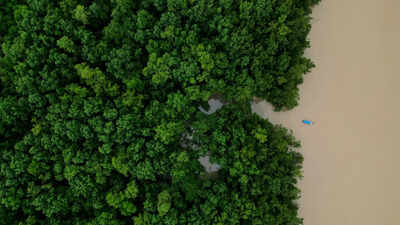
Brazil lost 985,000 (2.4 million acres) hectares of native vegetation last year: a 20.6 percent drop from 2024 and the lowest figure since the MapBiomas monitoring network began tracking deforestation in 2019, according to a MapBiomas report published Wednesday.The decline, recorded across all six of Brazil’s major ecosystems, marks a significant milestone for Brazilian President Luiz Inácio Lula da Silva, who has made halting deforestation a cornerstone of his administration. After four years of widespread logging under his far-right predecessor Jair Bolsonaro, Lula has pledged to eliminate illegal deforestation entirely by 2030.“We are seeing an increase in enforcement actions and sanctions...
which have a direct correlation with the drop in deforestation in all Brazilian biomes,” said Marcos Rosa, MapBiomas's technical coordinator, to AFP.Five trees felled every secondIn the Amazon alone, where deforestation fell by 23.5 percent, five trees are still cut down every second. The Cerrado, a vast and biodiverse savanna south of the Amazon, was once again the hardest-hit ecosystem, accounting for more than half of all vegetation lost.
Agriculture drove 99 percent of the destruction, according to MapBiomas, a consortium of universities, NGOs and technology companies.The figures also exclude forest lost to fire, a meaningful caveat after 2024’s record-breaking fire season, though last year saw far fewer major blazes.Political stakesLula, who is seeking a fourth term in October’s elections, hosted last year's COP30 climate summit in the Amazonian city of Belém. He aims to highlight his environmental achievements ahead of the elections. Environmentalists have nonetheless criticized him for backing a major oil exploration project near the mouth of the Amazon River.Preserving forest cover is critical to limiting climate change. Trees act as a natural carbon sink, absorbing and storing the carbon dioxide that drives global warming.






 English (US) ·