

 1 hour ago
3
1 hour ago
3
ARTICLE AD BOX

Actor Amol Parashar's solo play, "Besharam Aadmi," takes center stage in a series of vibrant cities, each performance shedding light on the unique cultural fabric of its audience. Tackling the often-overlooked topic of domestic labor in marital relationships, the narrative surprisingly garners substantial empathy from male viewers, recognizing their roles in sharing domestic duties.
A few hours before the curtains came up for his play, Amol Parashar sat with us, coffee in hand, reflecting on live performance, relationships, and the art of storytelling. For Parashar, who was in Pune for his solo-act Besharam Aadmi, performing the same play in different cities “never feels repetitive”.
“What people laugh at, what moves them, what they come and talk about afterwards, keep changing,” he said. Over time, Parashar has begun to see these responses as something that’s more than just audience feedback. He calls it an informal study of people. “It’s almost like getting a peek into the culture of that city. Their reactions tell you something about who they are,” added Parashar.
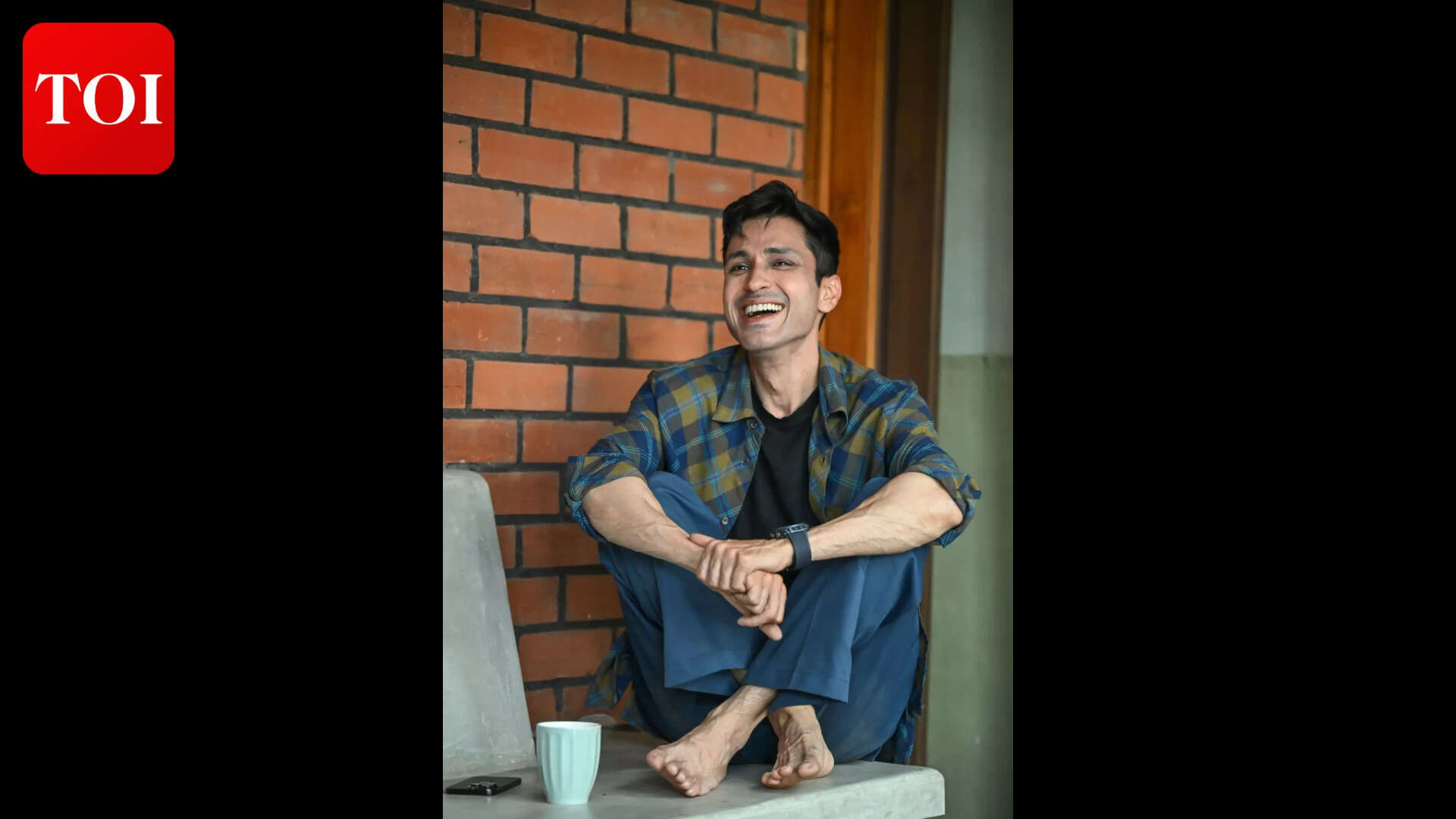
Amol Parashar (Picture credits: Jignesh Mistry)
Listening to the audienceIn an industry where discussions about audience often take place in private rooms, the actor feels that storytellers frequently lose touch with the people they are trying to reach.
Parashar explained, “We sit in offices and assume we know the audience. But people change much faster than we realise. When you perform in front of people from different cities, you start understanding who you are really making stories for.
” His play, which centred around a young married couple going through everyday life together, quietly raised questions about domestic labour. “The play asks a basic question, ‘if both people are working and building a life together, why can’t both people share the work at home?’” said the Gram Chikitsalay actor.
The men we rarely see
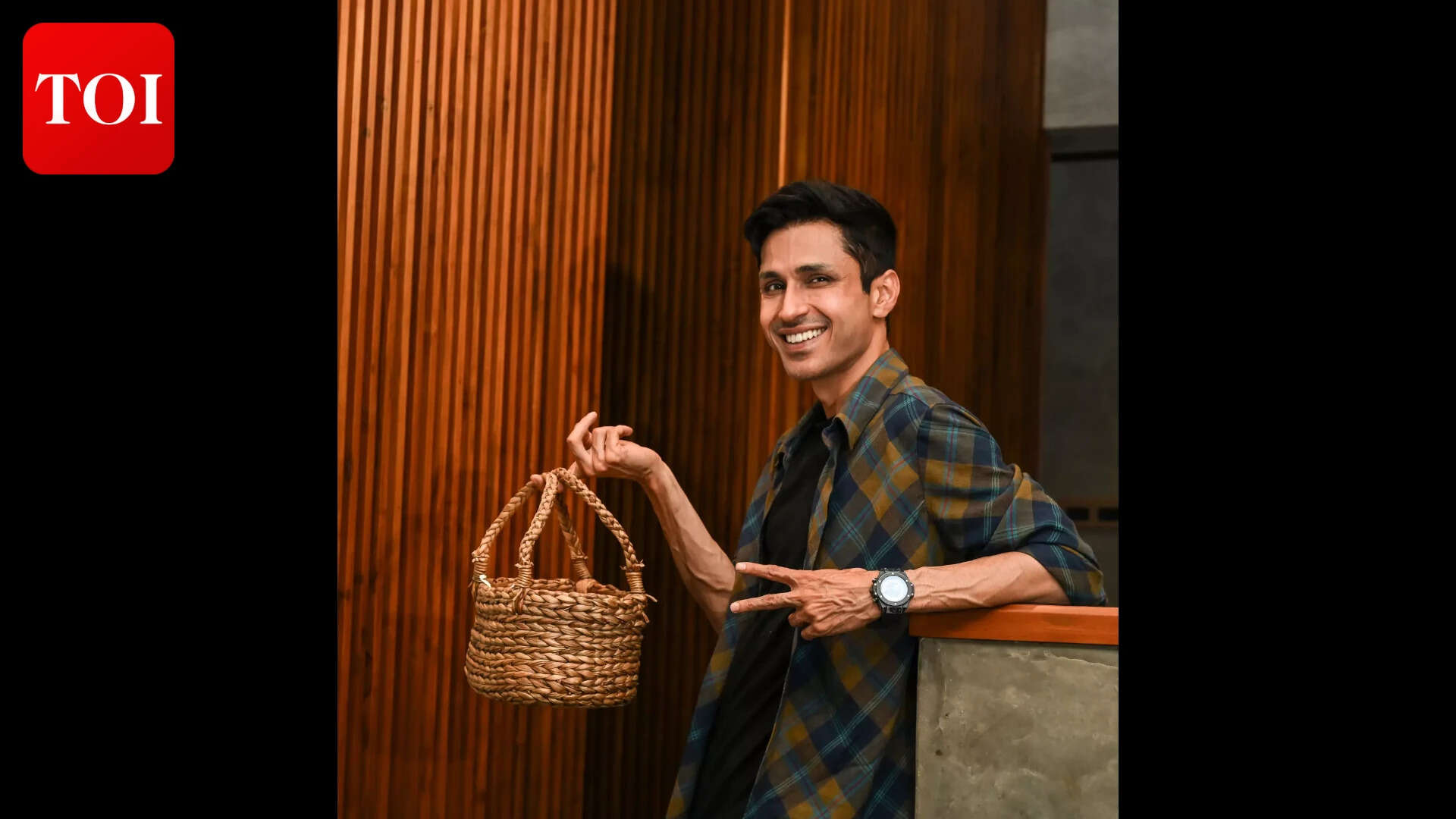
Parashar talks about everything he learns just from the reactions he receives from audiences (Picture credits: Jignesh Mistry)
While the themes of the play resonated strongly with women, Parashar shared that some of the most meaningful reactions came from men. “There was a young intern who brought her father, and she told us later that he actually does most of the housework, and people tease him about it. When he watched the play, he saw someone like him being appreciated on stage, and that validation meant something to him,” said the Tripling actor.
“A lot of women have come up to me and said, ‘This is the life we lived, but nobody talked about it.’ That made me realise that what we thought was a modern conversation has existed for a long time”
Amol Parashar

The Gram Chikitsalay actor says that the men that he speaks about in Besharam Aadmi exist, just not in the spotlight (Picture credits: Jignesh Mistry)
While cinema often celebrates a certain kind of masculinity - the loud, aggressive hero - Parashar believes that most men in real life don’t quite fit that mould. “Most men are not the aggressive hero that films often show. But the softer man usually becomes the side character. This play tries to say that maybe that man can also be the protagonist,” added Parashar.Entertainment first, message laterFor Parashar, entertainment always comes first. “The first thing I want people to say is that they had fun.
If the first thing they say is that the message was great, then storytelling has failed,” he said.
“When someone watches something and suddenly feels like this is their life, that’s when the story really connects. That moment when someone feels seen is what makes storytelling worth it”
Amol Parashar
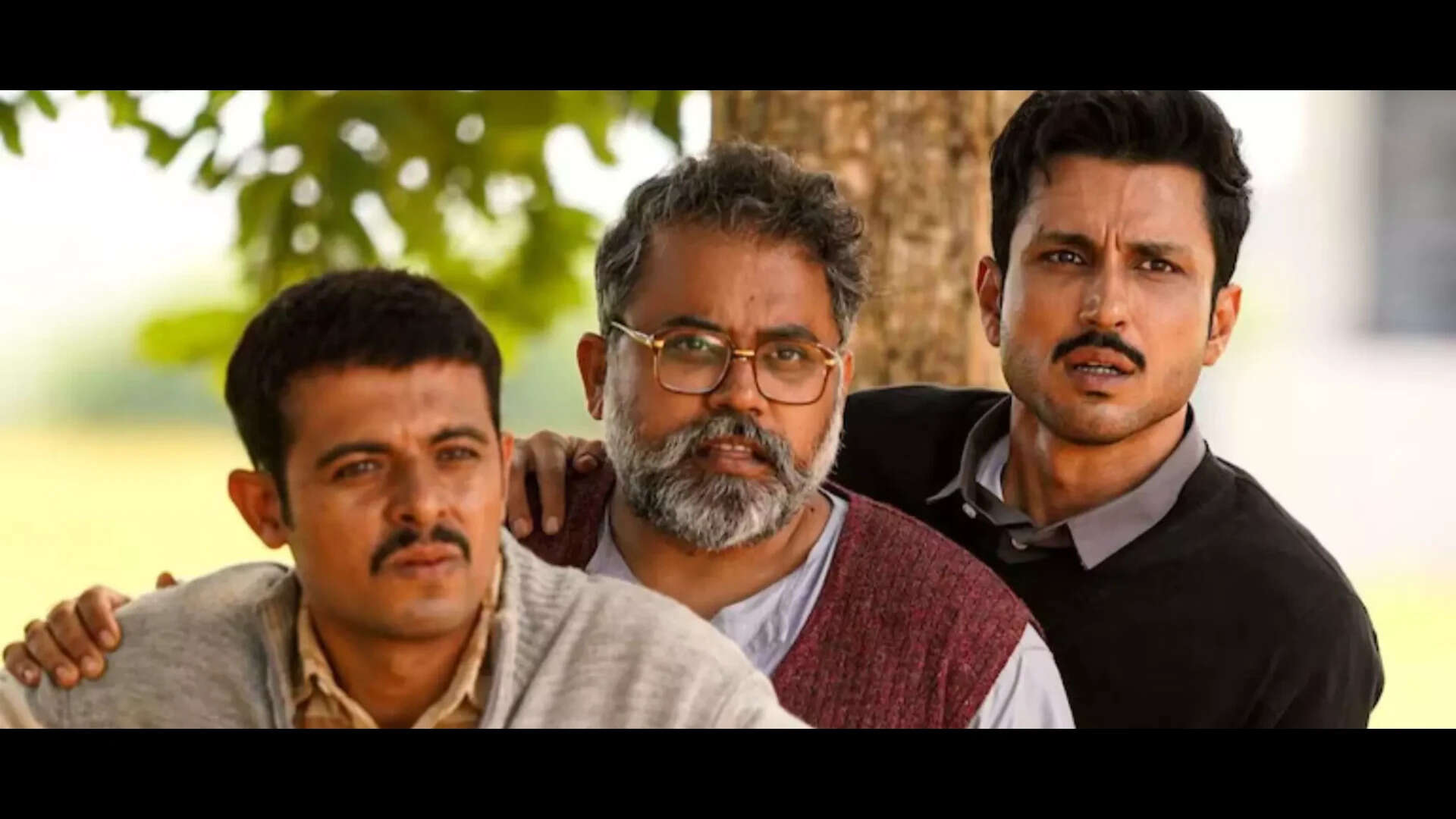
Amol Parashar in his ongoing show, Gram Chikitsalay (Picture credits: Jignesh Mistry)
According to him, meaningful ideas work best when they arrive quietly. People, he pointed out, don’t buy tickets to be lectured. “They want to laugh, feel something. If you want to say something meaningful, you hide it inside the entertainment so that people discover it themselves,” added the Dolly Kitty Aur Woh Chamakte Sitare actor.






 English (US) ·