

 5 days ago
9
5 days ago
9
ARTICLE AD BOX
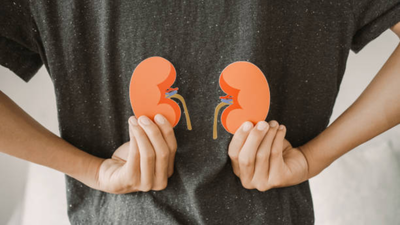
Kidney transplantation is often seen as a lifeline for people with end-stage kidney disease. It can give patients a second chance at life. But the road to a successful kidney transplant is anything but smooth.
One of the biggest obstacles is finding a compatible donor. A kidney transplant isn’t just about having a willing donor; the donor and recipient need to match in blood type, tissue type, and immune system markers. Even with living donors, compatibility can be tricky. And for those relying on deceased donors, waiting times can stretch into years.
Don’t Ignore Silent Kidney Damage: How to Detect Issues Before It’s Too Late | Dr Sanjeev Bagai
Medical complications can also stand in the way. And even if the transplant happens, the new kidney can face rejection. Even after a successful transplant, the journey isn’t over. So while a transplant offers hope, it also comes with responsibilities and risks that patients must handle carefully.
Roadblocks
One of the biggest challenges after a kidney transplant is rejection and graft failure. Even with the best care, about 10-20% of patients face acute or chronic rejection each year. Sometimes the ureter, the tube connecting the kidney to the bladder, can narrow, which happens in over half of surgical complications. And in some cases, the new kidney just doesn’t work properly from the start, leading to another surgery.
It’s frustrating for patients because you think the hard part is over, but the body can still fight against the new organ.To stop rejection, patients take immunosuppressants, which lower the body’s defenses. That’s why things like infections can happen more often. High blood pressure and diabetes can develop after transplant.Heart and blood vessel problems are also a big deal. Even though survival rates are better than staying on dialysis, cardiovascular complications are the leading cause of death after transplant.
Heart attacks, heart failure, and peripheral artery disease are all possible, especially for patients who already have diabetes or other risk factors. It’s a harsh reminder that a new kidney doesn’t fix everything in the body.
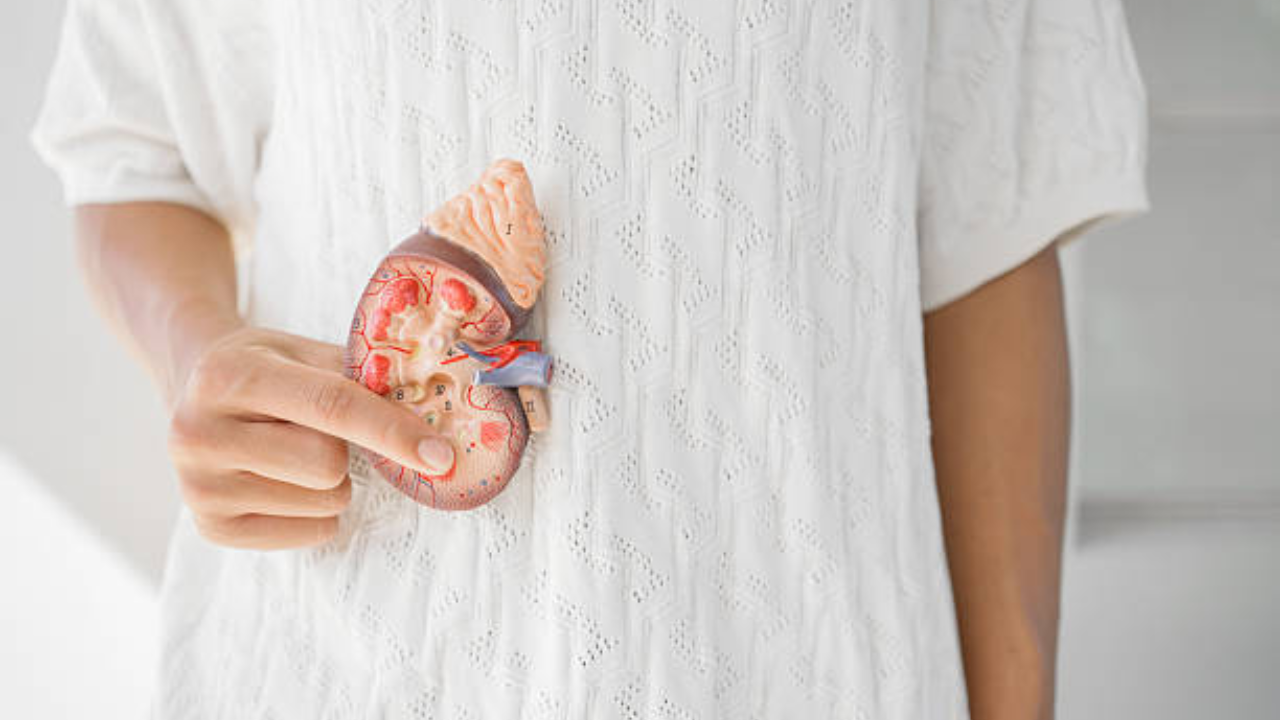
Surgery itself has its hurdles. Bleeding during or after the operation, blood clots, and fluid collections called lymphoceles can show up in the first few weeks. Depending on the complication, some patients need extra procedures.
And over time, calcium deposits or other changes in the kidney can slowly reduce its function, even if everything seemed perfect at first.So, while kidney transplantation can be life-saving, it’s far from a smooth ride.
Newer advancements
“For many years, blood group incompatibility between a kidney donor and recipient has been an obstacle in finding a suitable kidney donor for transplantation. Due to the previous belief that incompatibility poses a great risk of early rejection, until recently only kidneys have been transplanted from donors to recipients who have the same ABO blood group.
That is because A and B antigens are also located on the endothelium of the recipient's blood vessels as well as on the red blood cells,” says Dr Amit Goel, Director & Unit Head - Urology, Kidney Transplant, Uro-Oncology, & Robotic Surgery, Max Super Speciality Hospital Gurugram.“If a recipient has pre-existing antibodies to an unrelated donor, they will recognize the transplanted kidney as a foreign object immediately and attack it with these antibodies, which then leads to rapid rejection of the organ.
As a result of this risk, there has been a history of avoiding the transplantation of kidneys from incompatible (ABO) donors in the past,” the doctor says.“The development of transplant medicine has created very different options to be able to transplant kidneys when the blood types of the donor and the recipient are not compatible. There are now protocols to reduce the number of antibodies that could cause an organ rejection.
These include plasmapheresis, which removes the antibodies from a recipient's blood, before the transplant, and immunoadsorption, which does the same.
In addition, drugs such as rituximab can prevent the body from making new antibodies, reducing the risk of an organ rejection due to antibodies,” the doctor adds.Another major advance has been in the area of accommodation. The kidney will adapt to the presence of residual antibodies in the recipient's body and become less likely to fail due to antibodies, allowing the kidney to continue to function as though it were a matched donor.Kidney transplantation has developed and changed due to improvements in additional fields beyond matching blood types. There are now many new medications for suppressing the immune system so that the chance of kidney rejection is lower with fewer negative side effects than before. There are also new solutions to preserve kidney quality while in transit and new minimally invasive surgical techniques to speed up recovery time.
New tools used to monitor and treat patients have also made it easier to detect problems as soon as they develop.Overall, these factors have changed kidney transplants. The availability of a new donor due to a mismatched blood type gives hope to many patients with insufficient donor options and reduces the amount of time they must wait for life-saving kidney transplants, says Dr. Amit Goel.Medical experts consultedThis article includes expert inputs shared with TOI Health by:Dr Amit Goel, Director & Unit Head - Urology, Kidney Transplant, Uro-Oncology, & Robotic Surgery, Max Super Speciality Hospital GurugramInputs were used to explain the different roadblocks in kidney transplantation. The doctor shared newer advancements in kidney transplantation.









 English (US) ·