

ARTICLE AD BOX
New Delhi: Forums such as BRICS are coming under pressure to manage ambition and internal differences amid growing complexity and sophistication in global alliances and geopolitics, extending into trade and energy markets. Whereas the grouping has traditionally been regarded as a forum for emerging economies to discuss global governance and development finance, it is now navigating a much more complex landscape due to the war, energy security issues, and differing regional priorities.
That was evident at the recent BRICS Foreign Ministers’ meeting in New Delhi, led by S. Jaishankar. Despite the absence of a formal shared declaration, the meeting produced a lengthy 63-paragraph Chair Statement that highlighted both the positive and negative aspects of the enlarged bloc.
Brazil’s Foreign Minister Mauro Vieira acknowledged the diversity of the political and strategic views of newer member states in an interview with The Hindu. He said that the disparities will have to be sorted out over time, but they do not diminish the overall significance of the grouping.
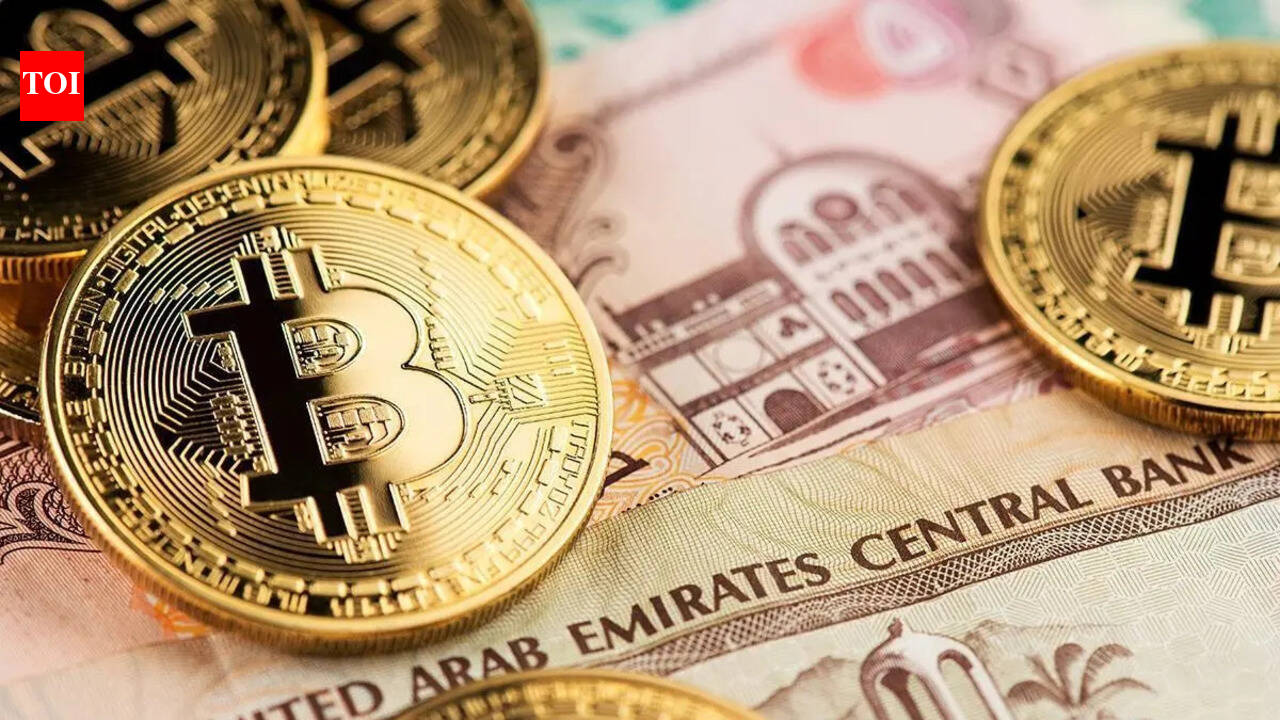
The statements are made at a time when BRICS is going through a transition. The five original founding members Brazil, Russia, India, China and South Africa have been joined by other nations, including Iran, the UAE, Egypt, Ethiopia and Indonesia, in varying degrees of engagement. The former relatively small group of key emerging economies is becoming more of a politically fractious platform where regional interests clash.
This change was reflected in New Delhi. The ministers expressed support for several Indian-led initiatives and reiterated their backing for the Palestinian cause and a two-state solution, though some differences emerged regarding the current conflict in West Asia that erupted after February 28, 2026. However, Iran and the UAE reportedly were unable to reach consensus on the language of a joint statement due to differences.
This is, in many respects, an illustration of the challenge BRICS faces overall. The grouping has increased its economic and geopolitical reach, but consensus-building has become more challenging due to the added complexity of its stakeholder base. While alliances are based on common security arrangements and/or treaties, BRICS is more of a grouping of strategic interests, and not necessarily the same interests.
Vieira’s remarks imply that this period is a phase in a process Brazil expects to go through, rather than a structural problem. Brazil, which hosted the BRICS summit last year, has always been a key advocate for multilateral dialogue, especially in the Global South. The “BRICS” is more a tool for maintaining another space of coordination, rather than a perfect fit, for Brasília.
The most striking thing about it is that, despite the apparent disagreements, member nations are still investing political capital in the grouping. The New Development Bank, trade cooperation, negotiations on local-currency settlements, and discussions on changes to global governance structures are ongoing. In the face of a lack of consensus on geopolitical matters, economic cooperation remains a thread of continuity.
This role has also become more visible in India. India is now one of the fastest-growing major economies and a growing force in diplomacy, seeking to be both a bridge-builder and a voice for developing economies. Issuing a detailed Chair Statement, rather than a diluted joint declaration, might also indicate a pragmatic diplomacy based on continuity rather than symbolism.
Meanwhile, the growth of BRICS is raising doubts about its long-term trajectory. The grouping now has countries with direct regional rivalries, competing energy interests, and drastically different foreign policy priorities, as analysts have noted. The many tensions will need to be managed, but a better understanding of BRICS’ ultimate purpose is also required.
The events are significant for companies and investors monitoring global geopolitics. Talks within the BRICS group are gaining momentum across energy markets, supply chains, payment systems, and trade corridors. For example, the current war in West Asia has already raised concerns about oil prices, shipping routes, and import inflation for India, an import-dependent nation.
So the broader importance of the BRICS can perhaps be said to be that it has maintained avenues of interaction among major powers in emerging markets in times of calm. Dialogue platforms, whether perfect or not, have a strategic value in a world of fragments.
That’s the message of Vieira’s words. He said BRICS was still developing and that inclusion of newer members with their different priorities would not happen overnight. The organization might have internal tensions, but it’s still relevant to member countries that want to be more effective in international decision-making.
The New Delhi meeting is unlikely to have resulted in any groundbreaking agreements, but it did give a more realistic idea of where BRICS is now – bigger, more powerful, more divided, and still very much in transition.





 English (US) ·