

 11 hours ago
3
11 hours ago
3
ARTICLE AD BOX
At the Adda held on April 27, global investor and author Ruchir Sharma spoke on how India is grappling with a ‘monomaniacal’ shift toward AI, the West Asia energy crisis, and why he wouldn’t bet on China. He was in conversation with Anant Goenka
Anant Goenka: You were the first to speak about Poland’s rise, you spoke about China four years ago, and provided deep analysis of the ‘Modi versus Modi’ dynamic in 2024. We were in Kolkata together recently. Beyond just the local politics of Bengal, why should people in south Bombay — an island that often doesn’t care about what happens around the world — care about these four state elections?
You don’t have to care but you might want to if you want to understand the country. This was our 34th election trip. I started this practice nearly 30 years ago with the idea that every single year, I want to do at least one election trip that serves as a journey of India. Elections are the time when India truly comes alive. You get to see the ‘real’ India when you are out in these election cycles, and it is by far the most fascinating journey. I may live in New York or elsewhere but this one week is my favourite week of the year.
Unfortunately, election coverage often gets reduced to a single number: Who is winning and what is the forecast? But for me, it is not about the result but the journey of India. In Bengal, for instance, you have different photos and data points in your head. This was my fourth trip to the state — 2011, 2016, 2019 — and the fact is that the state is still stuck in a time warp.
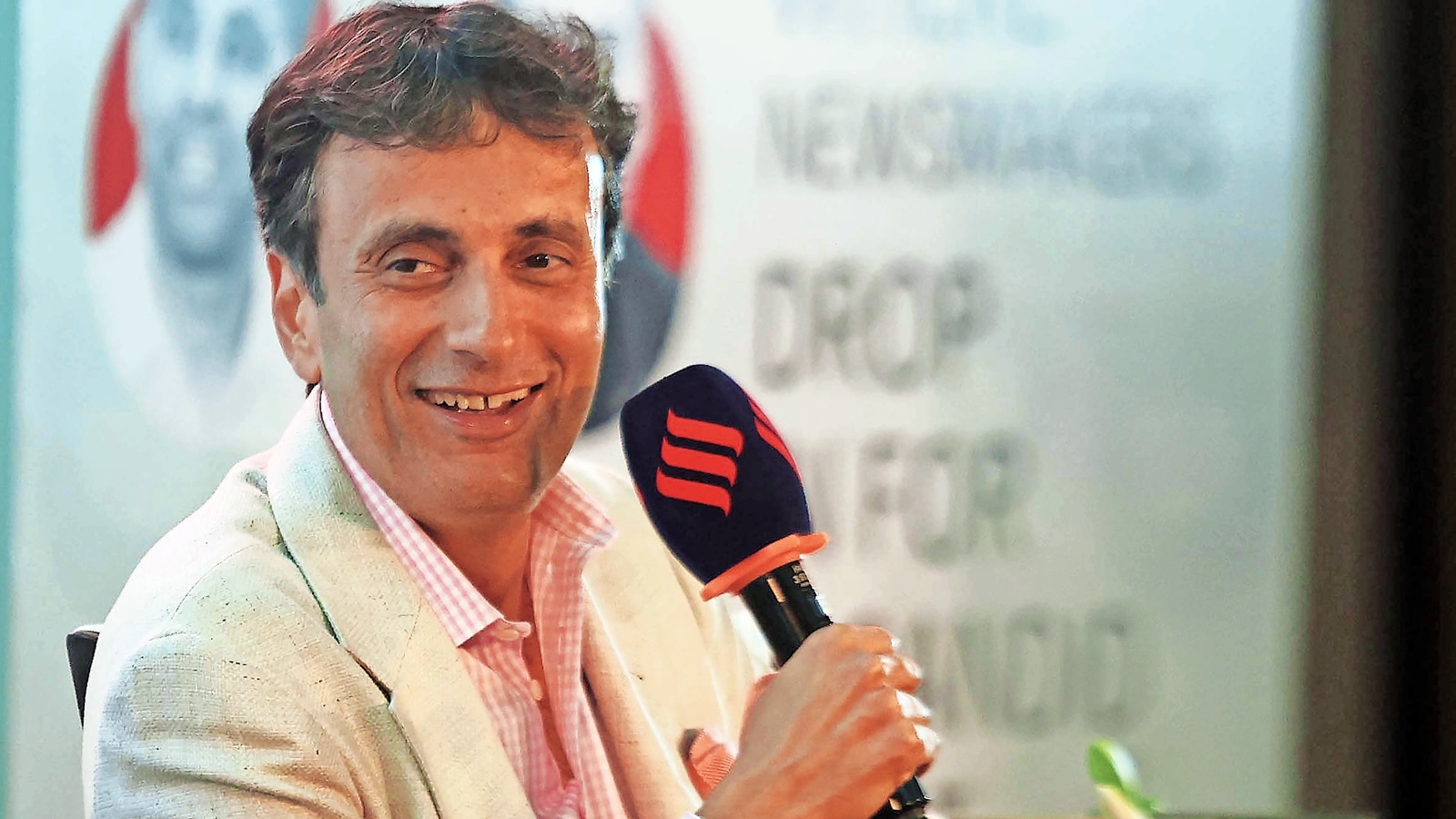 Ruchir Sharma
When we landed in Bagdogra and travelled down through Siliguri, we were struck by places like Murshidabad. In the 1750s, this was one of the richest places in the world, with some estimates suggesting it accounted for 5 per cent of global GDP. Today, seeing the disrepair in that district, it felt as though we were back in the Bihar we travelled to last year. The worst-performing states in terms of per capita income growth this century are Bengal and Punjab.
And the contrast is striking when you look at the southern states. We travelled to Telangana, Karnataka and Tamil Nadu, and those states are rising up the rankings quickly. They are among the few relatively rich states in the country. This highlights the many ‘Indias’ that exist. In America, the gap between the poorest and the richest state in per capita income terms is about two to three times. In Brazil, it’s maybe three to four times. But in India, it is six times.
There is also a conflict in how we perceive this. On one hand, you see the poor development in Bengal and feel sorry. On the other hand, you have to admire how Mamata Banerjee is fighting this battle with so many forces aligned against her. Even the BJP would privately admit that in any healthy democracy, you want political competition. However, during our travel, there was almost no focus on development. We saw some roads but nothing else. At Presidency College, we met young students who were still thinking in idealistic terms about Communism. One of the more right-wing members of our group commented that ‘you don’t eat ideology for breakfast.’
Story continues below this ad
Fascinatingly, most of these states have been Opposition-ruled. In Bengal, intellectuals and commentators want the TMC to make it, although there has been little development in the last 15 years.
Yes, the argument is if political competition is more important than development. In India, development is, at best, only one of six or seven factors that win elections. My research for Democracy on the Road (2019) showed that in states recording an average growth rate of more than 8 per cent over a five-year term, the chances of the incumbent being re-elected were still only 50 per cent. It is a shocking number.
The idea that you can fight an election on development alone was smashed when Chandrababu Naidu lost in 2004. In Bengal, development wasn’t on the table for either party. When we asked the BJP leadership why they weren’t talking about it more, they said they wanted to address people’s basic concerns about security first.
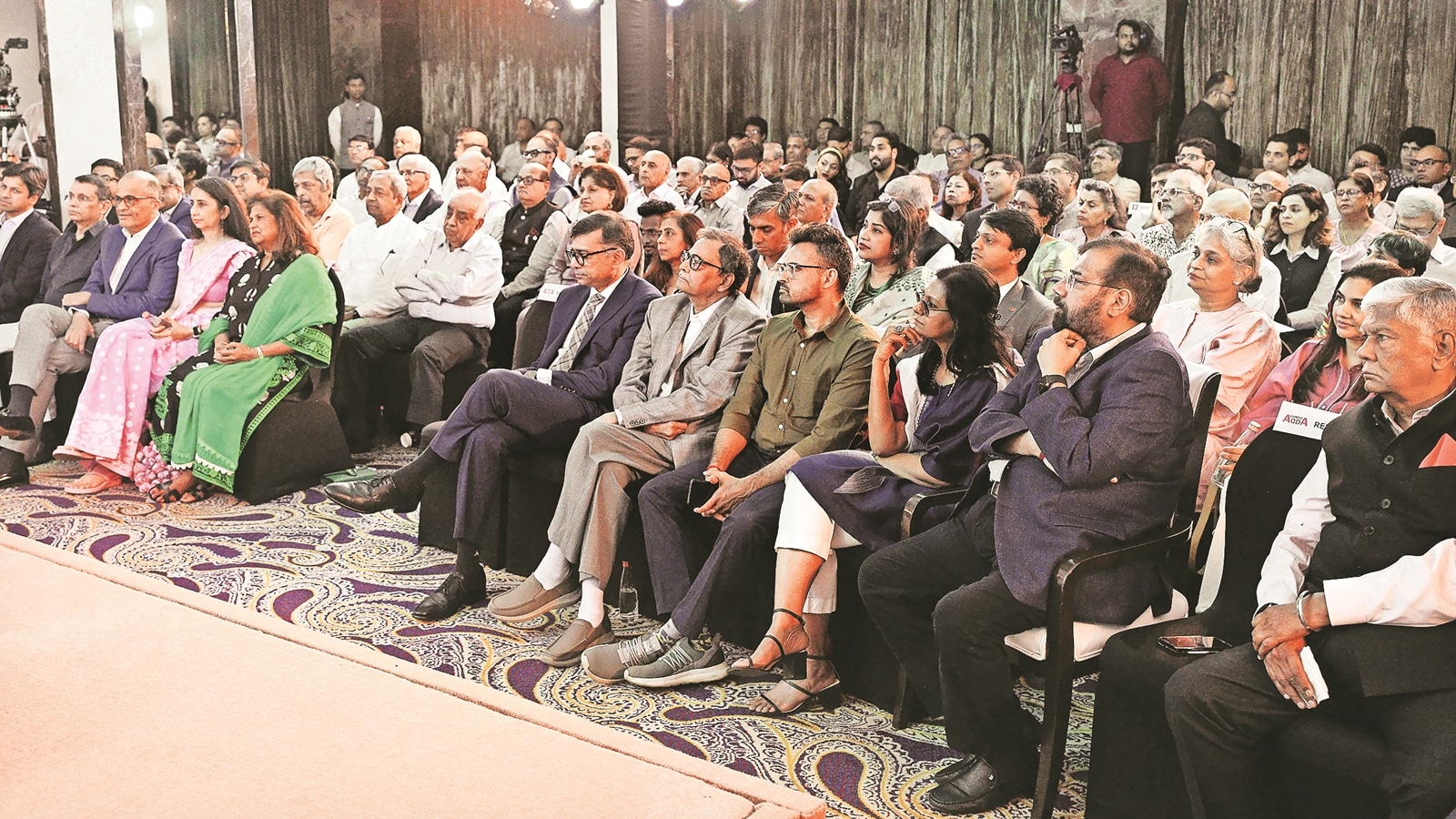 Audience at Express Adda in Mumbai
Another major trend was the money being spent on welfare schemes. In Andhra Pradesh, it was Rs 15,000 per family and still there was a sense of entitlement for more. But in Bihar, people were grateful for Rs 2,500. How do you process that?
Story continues below this ad
It sounds cruel to say people shouldn’t be given handouts when you see the level of poverty. However, one huge improvement in India is that delivery has improved significantly because of digitisation. The ‘leakage’ has been stopped; the old Rajiv Gandhi coinage that only 15 paisa of a rupee reaches the recipient is gone. Now, it is likely well over 90 paisa to the rupee.
But there is a deep cynicism to this. These schemes are often announced just before elections to buy votes. From an economic standpoint, when people ask why India can’t grow like the East Asian miracle economies — China, Korea, or Taiwan — the answer is that those countries followed brutal capitalism. They provided no handouts until they reached a certain per capita income. They spent every penny on building infrastructure. In the 1990s, China fired 90 million people from bloated state-owned enterprises without a support system. This forced a massive migration to the coastal export zones. These countries ensured that the government’s role in handouts was minimal in the early stages of development. You can’t have massive handouts and still expect to grow at 9-10 per cent. No economic model in the world has achieved that. In Bihar, we were told that road contractors aren’t getting paid because government funds are being diverted to handouts. In Bengal, there is no real revenue because there is no industrialisation or manufacturing.
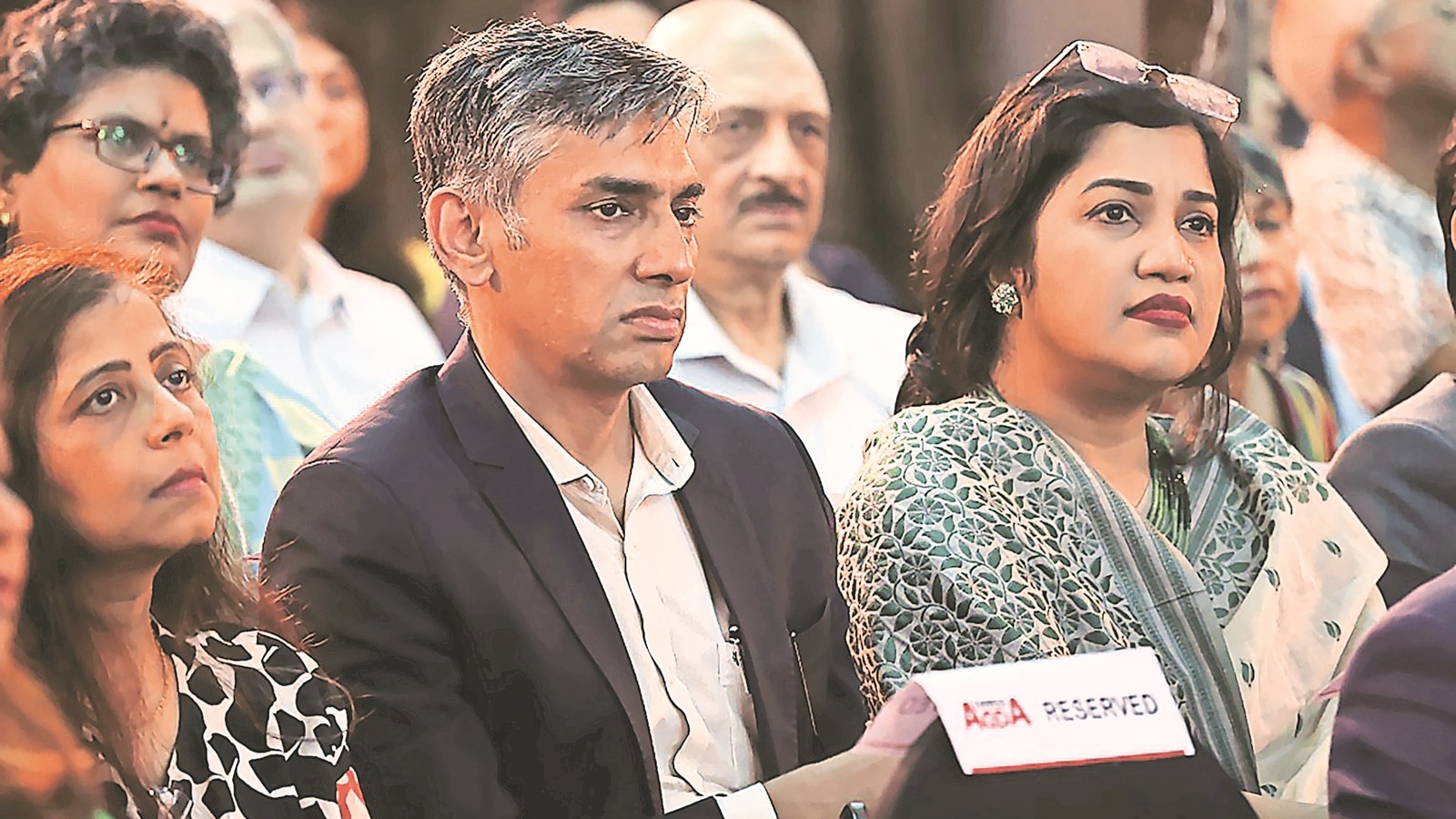 Vivek Kamath, Director, Matrix IEC Pvt. Ltd
You have said that foreign capital wants stability in government. Is the current exit of foreign capital because it is looking for more political competition?
What I have written is that the maximum reforms usually happen in the first 6-18 months of a new government coming to power, often following a crisis. The longer a government stays in power, the more there are diminishing returns to power.
Story continues below this ad
Capital is leaving now because the world today has a monomaniacal focus on AI. Investors are obsessed with the AI race, in which India is viewed as a loser. We are in the ‘picks and shovels’ phase — semiconductors, memory and compute — and India structurally lacks these. The government may take strong objection to this, as the IT minister did at Davos, but the data does the talking. In the last couple of years, foreigners have sold $50 billion in the stock market and net FDI is zero. In my 30 years of investing, I have never seen such indifference toward India. In 2013, during the ‘Fragile Five’ era, there was hate; today, it is indifference, which is worse. Investors are focused on AI, and India’s structural weaknesses are showing. We spend only 0.6 per cent of GDP on R&D, while Korea and Taiwan spend 4-5 per cent. Israel is number one. Our IT sector has long been an arbitrage business rather than an innovative one, and that is coming back to haunt us.
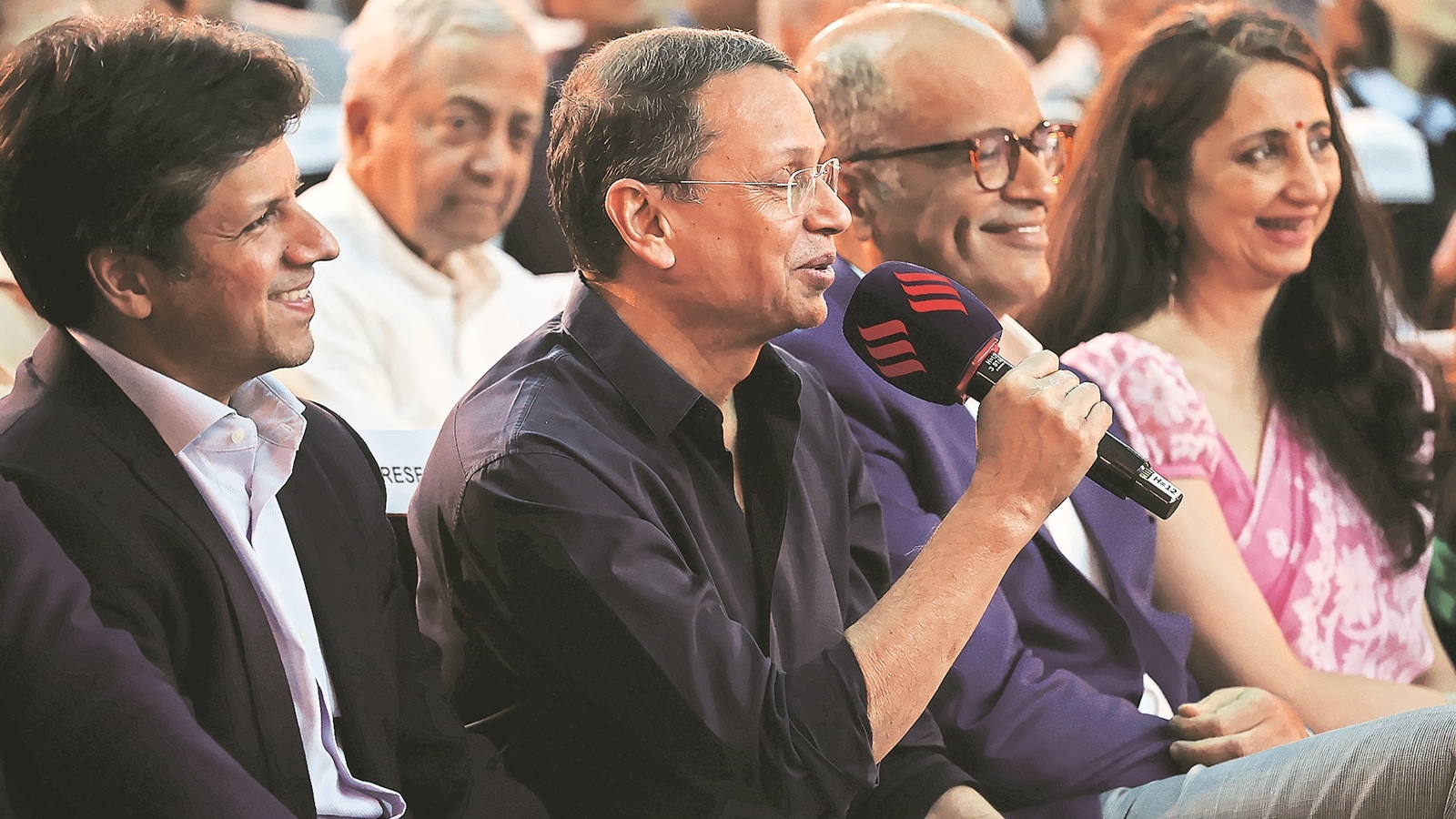 Uday Shankar Co-Founder Asia Initiatives & Founder Marigold Park_ Director Bodhi Tree Capital{left}, Maneck Daver Owner, Spenta Multimedia
But the government and private sector are supporting all five layers of the AI cake — energy, data centres, chips, applications and models. Are you saying capital is leaving every country except the US?
The concentration is heavily in the US and Japan, and in emerging markets, Korea and Taiwan have won the race. One company — Taiwan Semiconductor Manufacturing Company (TSMC) — now has weight in the MSCI index greater than all of India put together. Samsung’s profits this year will likely exceed every American tech company except Nvidia.
We are currently in an AI bubble similar to 1999. Back then, India benefited from the TMT boom through IT services. This time, we don’t have that. The financial crowd is calling India the ‘anti-AI play’, meaning we may only get attention again when the bubble bursts. Currently, domestic consumption and government spending are counting for little with foreign investors.
Story continues below this ad
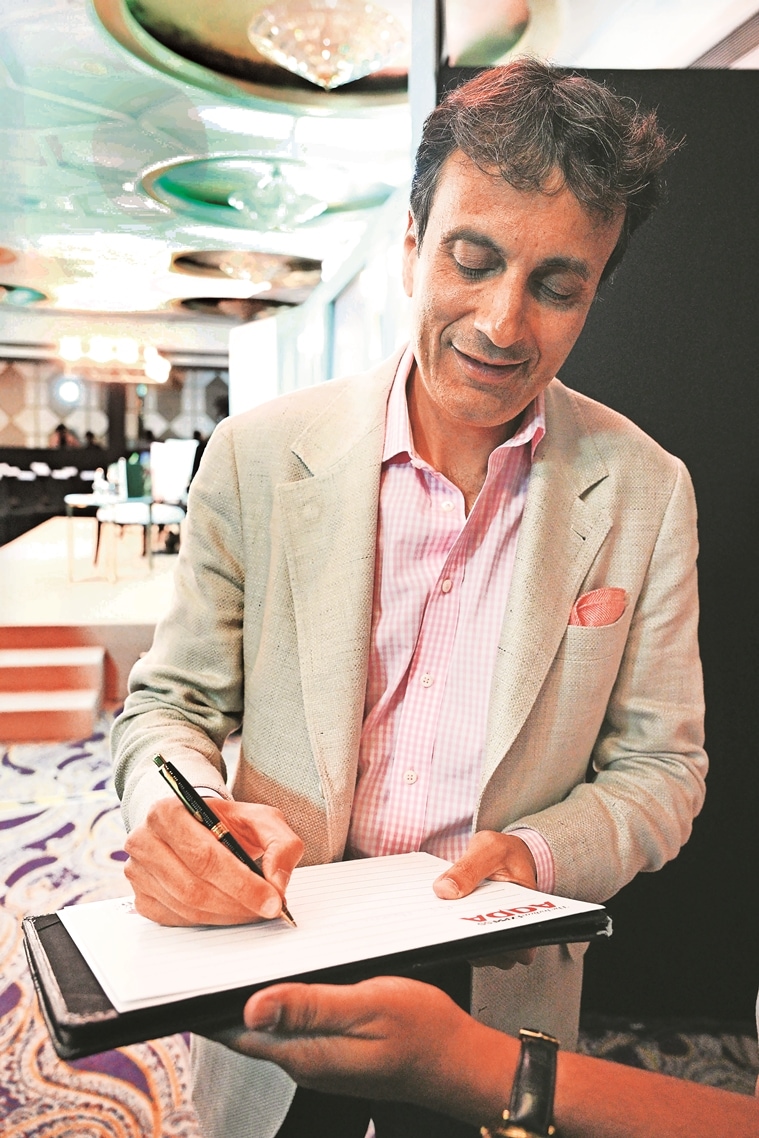 Ruchir Sharma
What about China? You became bearish four years ago.
This should be a golden moment for China to fill the void left by the US but they can’t. The US dollar accounts for 90 per cent of global transactions, while America’s share of the global economy is only 25-30 per cent. The Chinese currency barely registers at 2-4 per cent. China’s growth model is brittle and debt-dependent. They can’t make the yuan freely convertible. They fear a massive capital flight. People are more comfortable holding Swiss currency than Chinese. Because of this, the US can still weaponise its currency through sanctions.
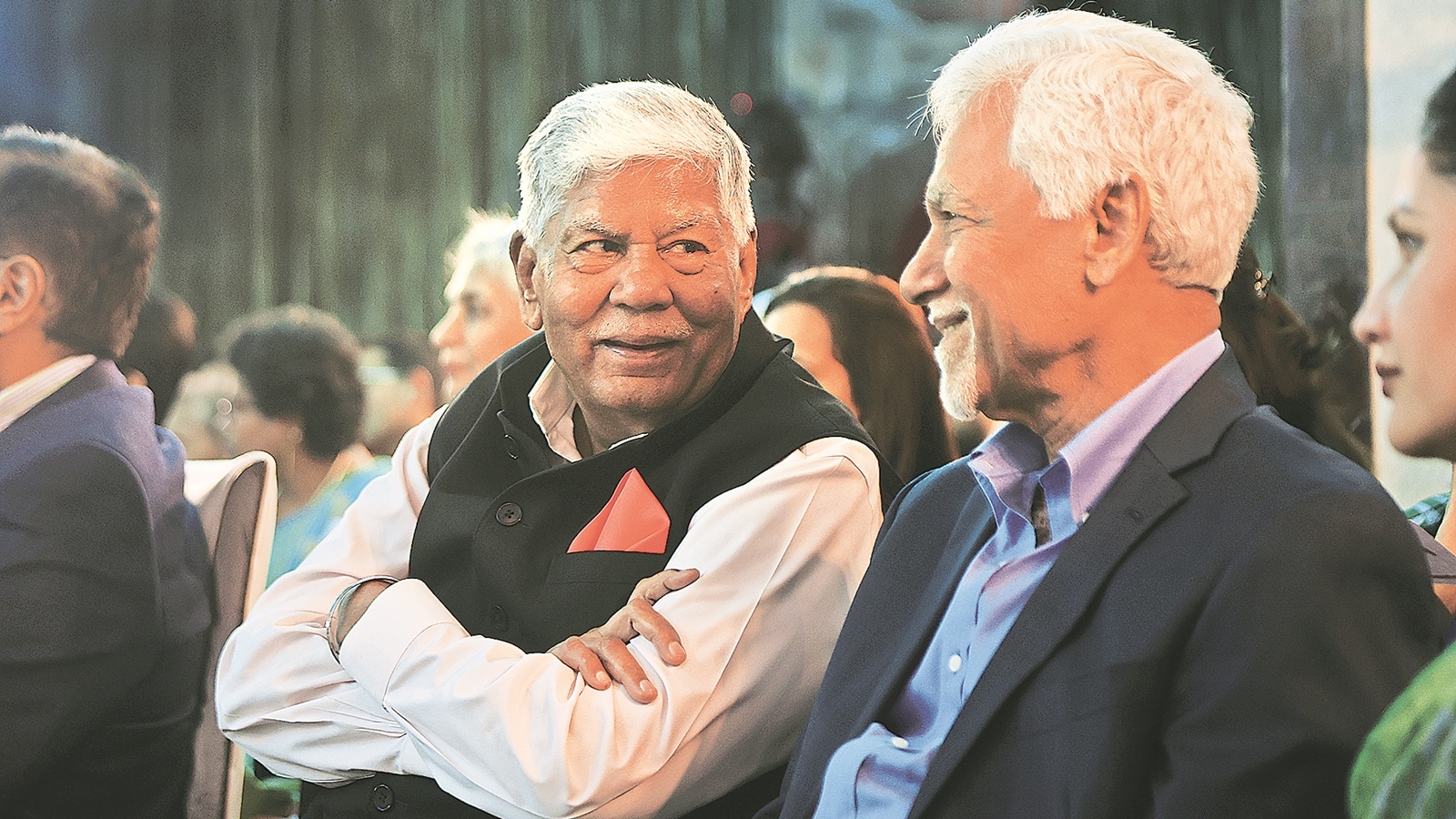 Dr. Vijay Kalantri, Chairman, World Trade Center, Mumbai
Is the US winning the conflict with Iran?
I wouldn’t say winning but they are ‘losing less’ than the rest of the world. The US is energy independent and at the centre of the AI mania, so they don’t feel the impact. Meanwhile, Asia and Europe suffer. Iran’s economy is a basket case but their leadership seems unbothered by economic devastation because they have been off the economic map for so long. Iran has been able to stand up much better than expected but let’s not confuse that with success.
If the war continues and oil hits $150, what happens?
Story continues below this ad
Global oil production is about 100 million barrels a day and we are currently short 5 to 7 million barrels every day as the war continues. If the Strait (of Hormuz) remains closed, oil has only one way to go: up. You would need to hit $150 to achieve demand destruction. The world has entered this crisis with record levels of debt and no fiscal buffers. The US is running a 6 per cent budget deficit. Normally, interest rates fall in a crisis as people rush to safety but this time, they are rising because people are concerned about government borrowing. In the two months since this escalation, interest rates everywhere have gone up.
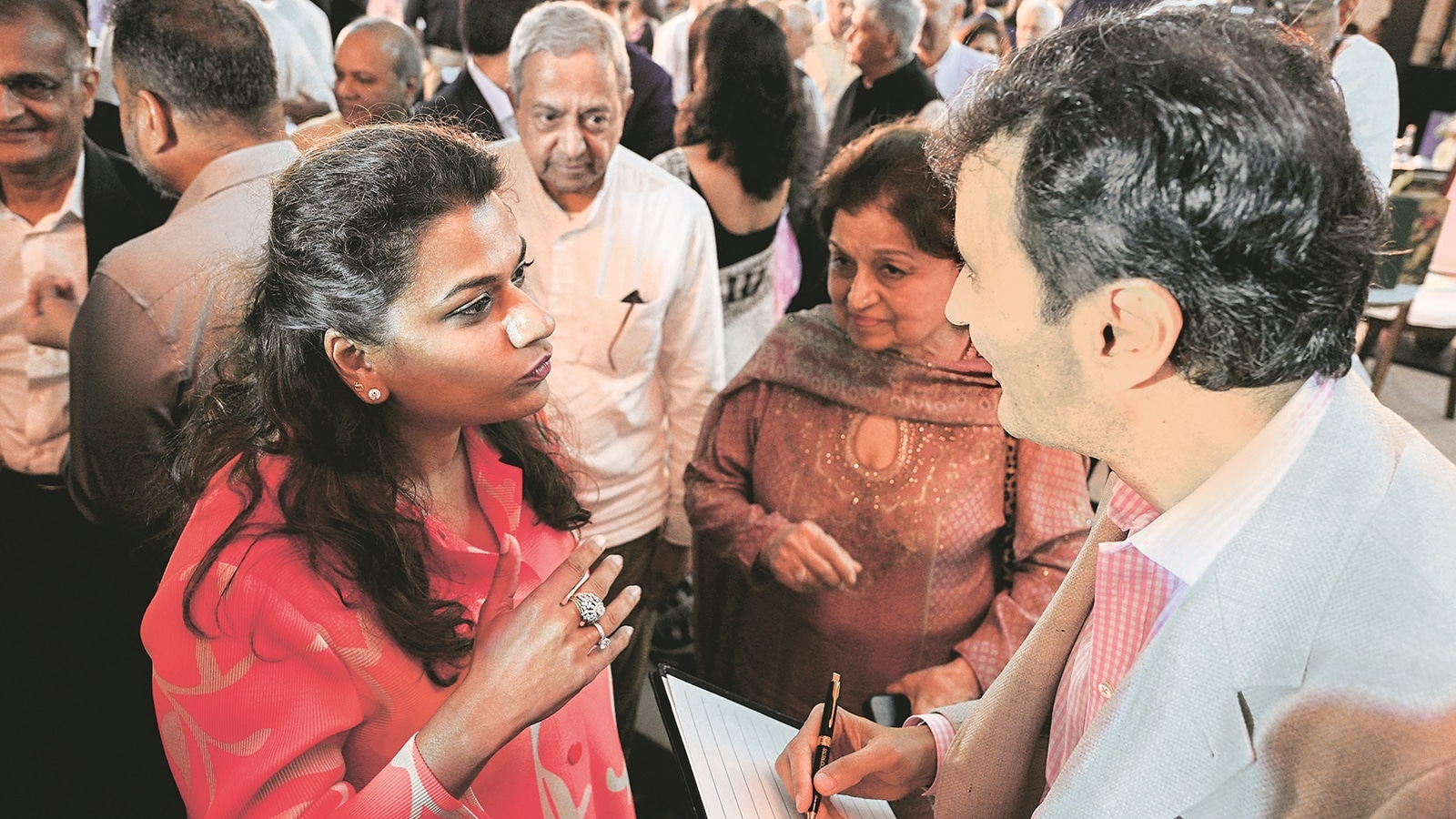 Arti Yargop, Investment Professional, Rare Enterprises, with Ruchir Sharma
And you think countries are helpless?
The only way to survive the ‘king of the jungle’ (the US) is to move in a herd. If countries like India, the Philippines, or those in Europe deal with the US individually on tariffs or energy, they will be ‘eaten for lunch.’ They need a coordinated strategy. Every day this lasts, the biggest casualties are in Europe and Asia.
Is India playing its cards well?
It’s just all accumulating together. We have frayed relations with the US over tariffs, we are on the wrong side of the AI mania, we are a big energy importer during an Iran conflict, and we have El Nino to deal with. The government needs to think as passionately about getting foreign capital back — perhaps through tax cuts — as they do about elections. Private investment is stagnant because the ground-level business environment remains difficult due to regulation and investigative agencies. India consistently disappoints both the optimist and the pessimist. We still have the second or third most expensive stock market in the world, which is a note of caution.
Story continues below this ad
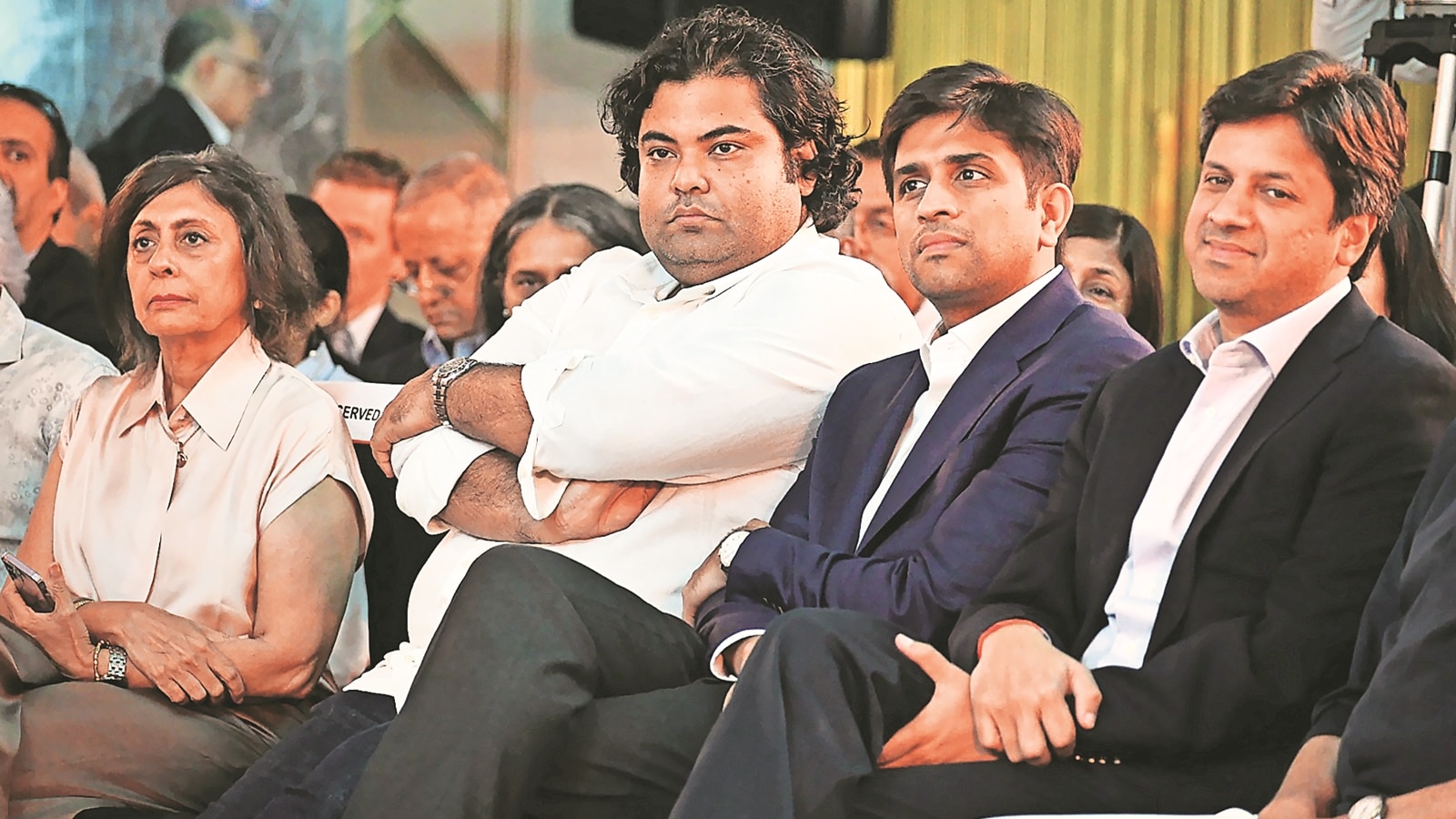 Aniket Dey, Co-founder & MD, Generational Aditya Mehta, Director, FRR Immigration
The domestic capital being deployed in India has been a concern as well. Publicly, government has been talking about it for years. Why do you think that’s not happening?
There are two things here. What you are referring to is private capex… that is taking a long time to pick up because it’s still a difficult place to do business, be it the regulatory framework, the investigative agencies or the daily toll. Having said that, I don’t want to get too bearish also on India because it consistently disappoints the optimist and the pessimist. Two years ago, it was disappointing that the pessimism by the stock market kept going up. That was a note of caution. I sounded that all these guys are putting money in this market. But it was all being led by domestic investors. Foreign investors even then were hardly there. The domestic investors were buying the most expensive stocks in the world and now two years later, unfortunately, the market hasn’t done well but it still ranks as the second most important, the most expensive market in the world or maybe the third now. The US, and maybe Taiwan has got in there now. So we are still so expensive to begin with. That’s part of the reason.

And you still wouldn’t bet on China even though it’s cheap?
Maybe selectively. China is very cheap but it’s hard to make money in that country. They like to over invest, so they don’t care about your returns. One of my colleagues went to China recently and was dazzled because of the technology… look at the number of EVs on the road, but then we looked at that sector and the conclusion was that as far as competitive intensity is concerned, this is like Beirut — just so competitive that everyone’s killing each other.
***
Story continues below this ad
Ruchir Sharma
Rapid Fire
You have $1 million to invest. Where would you put it in a rapid fire way?
You begin with America and then you figure out the rest of the world. We typically put 60 per cent in global equities, 20 per cent in inflation hedges and 20 per cent in deflation hedges. The worst returns in the next few years, it seems, is going to be from bonds and fixed income.
Amid deglobalisation, which country stands to gain the most?
Currently it’s difficult because until this energy crisis subsides, some middle powers are getting badly hurt. But a once-in-a-lifetime opportunity is coming to invest in some of these. The countries with quality stocks — good brands trading at cheap valuations — will do well.
And they’re not too expensive right now?
They are cheap historically, especially outside the US.
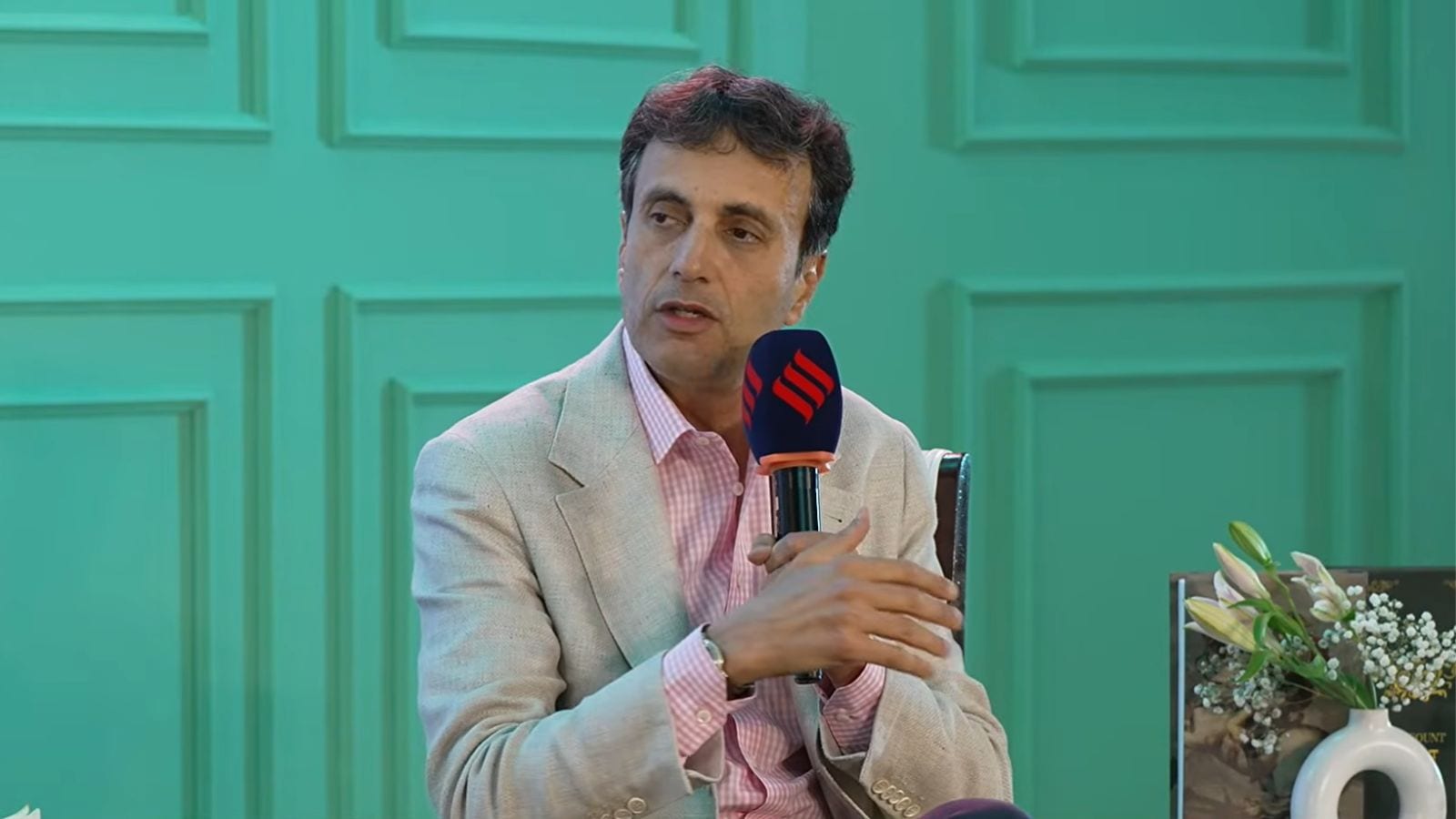 Ruchir Sharma is Chairman of Rockefeller International and founder of Breakout Capital. (Express Image)
You’ve done a lot of forecasting. I’ll give you a topic and you tell us what you think its future is.
- Indian IT companies.
The big ones can reinvent but currently I have no money there, because to quote a colleague, it’s like ‘Beirut.’
- Gold.
I’ve always liked gold but it has been everyone’s favourite for a while. And, I’m naturally not inclined to buy more when everyone is saying the same thing. So, I wouldn’t put more than 4 to 5 per cent of my portfolio in gold at this stage. - India’s billionaires today.
The odds are greater to bet on new and upcoming billionaires than to side too much with the existing. - Private credit.
The private credit lending in the US hasn’t been stress tested, so when in a downcycle, some of it will be zero. India may be a bit better because we haven’t had such a private credit cycle. - Indian stock market.
Unless AI really kills India’s growth story, the stock market here will give you decent returns. - The anthropic-Gemini-OpenAI fight.
In 2000, the internet revolution was real but all the big winners died, except Microsoft. In these big tech revolutions, you get over-investment, which is great for the consumer but only few of these companies actually make money. - The BJP.
What makes the BJP so powerful is that there is no competition. Anybody who has a rightwing ideology has one party. On the other side, there’s so much competition and that vote gets split. - The Indian National Congress.
They will keep fighting with the regional parties for space. - The US dollar.
The natural path of the dollar is down.
React to the following headlines: Ambani, Adani, Tata, Birla… who is a safer bet for a foreign investor?
First let the foreign investors come back to India.
Who among these is a safer bet for domestic investors?
Each has an asset which is remarkable. Foreign investors generally like individual companies because conglomerates usually trade at discounts.
Meta, Google, Apple, US Congress or the office of the President: Which of these institutions do the US citizens trust more today?
It’s a race to the bottom but if people have to work somewhere, they’d still rather work for a big tech company than the US government.
Who has a tougher job in India today: the RBI governor or the SEBI chair?
The RBI governor at this stage because you’re dealing with a big hole that you have to fill every day.
React to the following trends, how they have changed or haven’t.
- Quality of roads.
The roads look great but the last few miles remain so crowded. - The transparency of the voter.
Every time you ask a voter which way they’re voting, they will smile almost as if you’ve asked them how their sex life was. Unless they’re a hardcore activist or from the party, they’re not going to reveal their vote preference easily.
In Bengal, what do you think is the biggest threat to Mamata’s chances of winning?
Anti-incumbency. The state is in a state of disrepair. That catches up.
***
Questions from the Audience
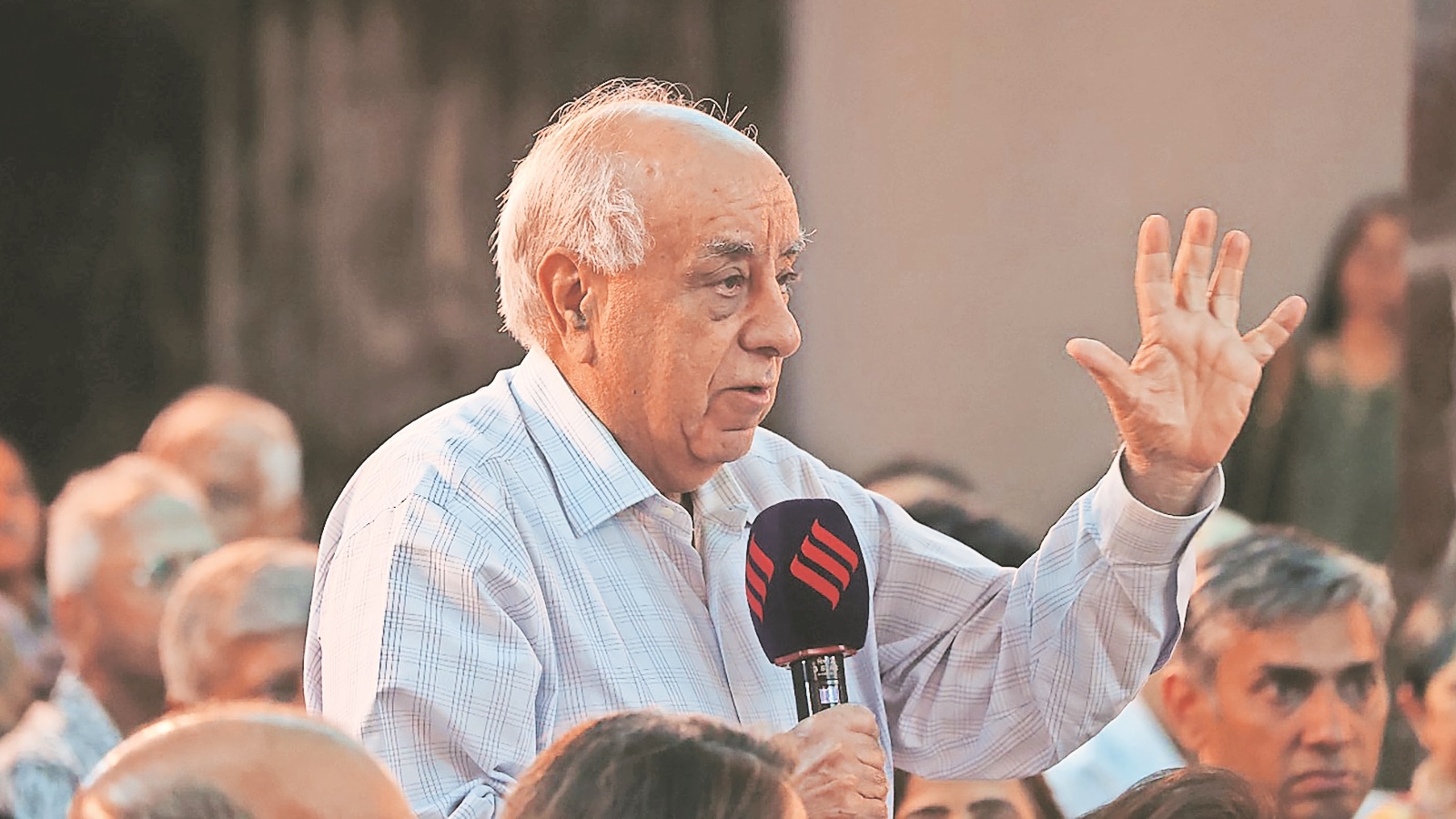 Arun Kumar Nanda, Chairman, Mahindra Holidays & Resorts Ltd
Arun Kumar Nanda
Managing Trustee, Adhata Trust and founder & Former Chairman, Mahindra Holidays & Resorts Ltd
The EU doesn’t want to fight the US. Why then aren’t they stopping Israel, because Israel has a small economy.
Because Israel’s in alliance with the US. So I don’t think they have any pressure from the EU and I don’t see that the EU has put any pressure on Israel. But today Israel will do what America is going to ask them to do. Now you can argue that it was the other way around at the start. But that’s my reading.
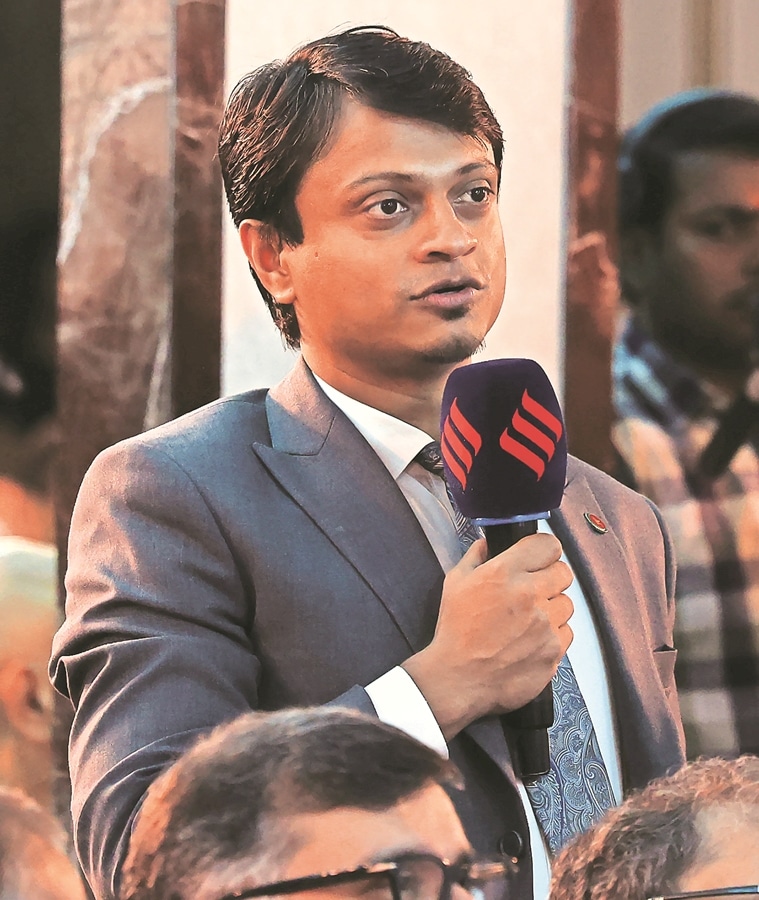 Naved Al Razee
Naved Al Razee
Third Secy And Head of Chancery, Bangladesh Deputy High Commission, Mumbai
What is your take on crypto? Will it become mainstream in the future? What portion should I invest in it?
Crypto is here to stay. Again there’s competition… There’s Bitcoin. That gold was better than crypto was my analysis, so I would say it’s part of that alternative 20 per cent bucket that I spoke about in my 100 per cent allocation. It depends on your comfort level. I personally don’t have any crypto in there.
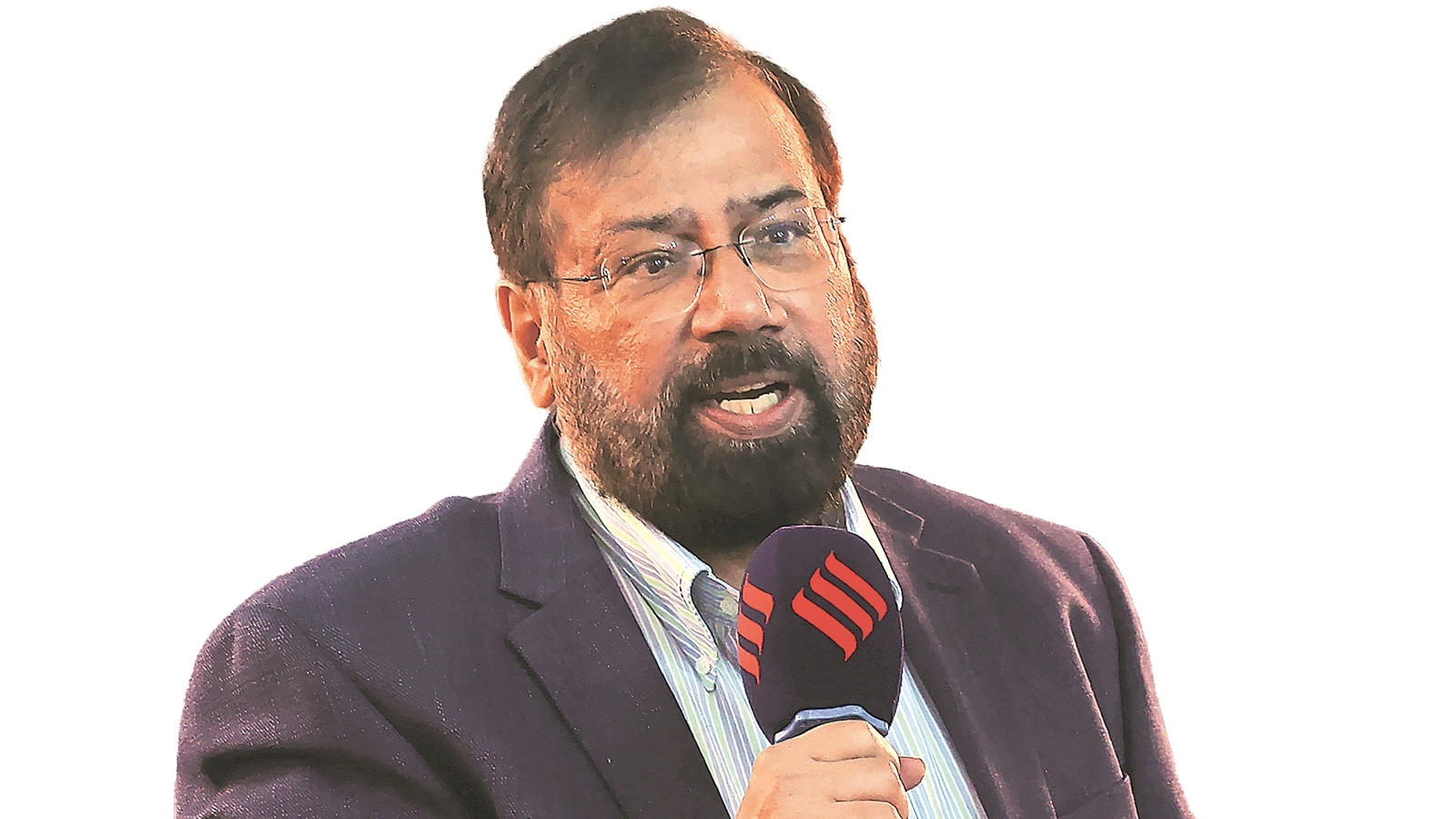 Harsh Goenka, Chairman, RPG Group
Harsh Goenka
Chairman, RPG Group
India acts best when there is a crisis. What do you think we should be doing to sprint ahead in terms of getting FDI?
Securing FDI requires a combination of active state-level involvement and attractive, stable central tax regime. CMs have significant power to improve conditions on the ground. Meanwhile, the Centre must address investor concerns regarding retroactive taxation. Additionally, India’s taxes on foreign capital remain higher than global averages and must be cut to remain competitive.
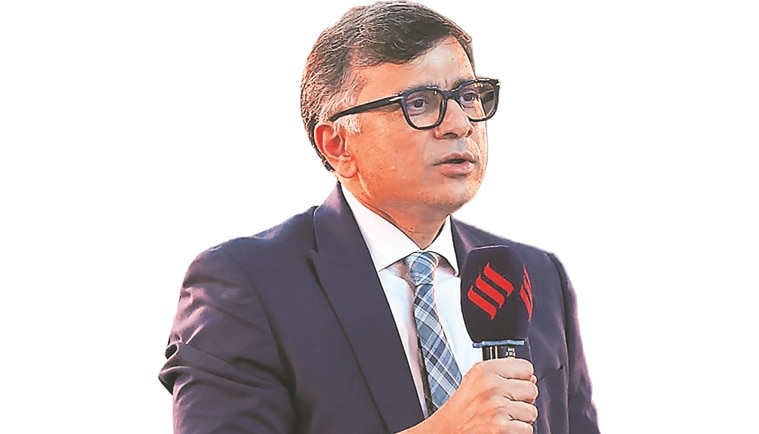 Aditya Mishra
Aditya Mishra
COO & Head, Wealth Management, ASK Private Wealth
With all the talk about rate cuts in the US, what will be the impact and where does India stand?
Today, the scope for rate cuts in the US is close to zero. Inflation has been quite sticky. It’s at 3 per cent. The underlying headline is it will be closer to 4 as the gasoline prices stay up and the Fed has missed its inflation target for five years in a row every month. So it’s running behind on credibility. Flows are all being driven by AI. If rates go down, more flows will go to AI. Once that bubble bursts, people can look at how all this settles.
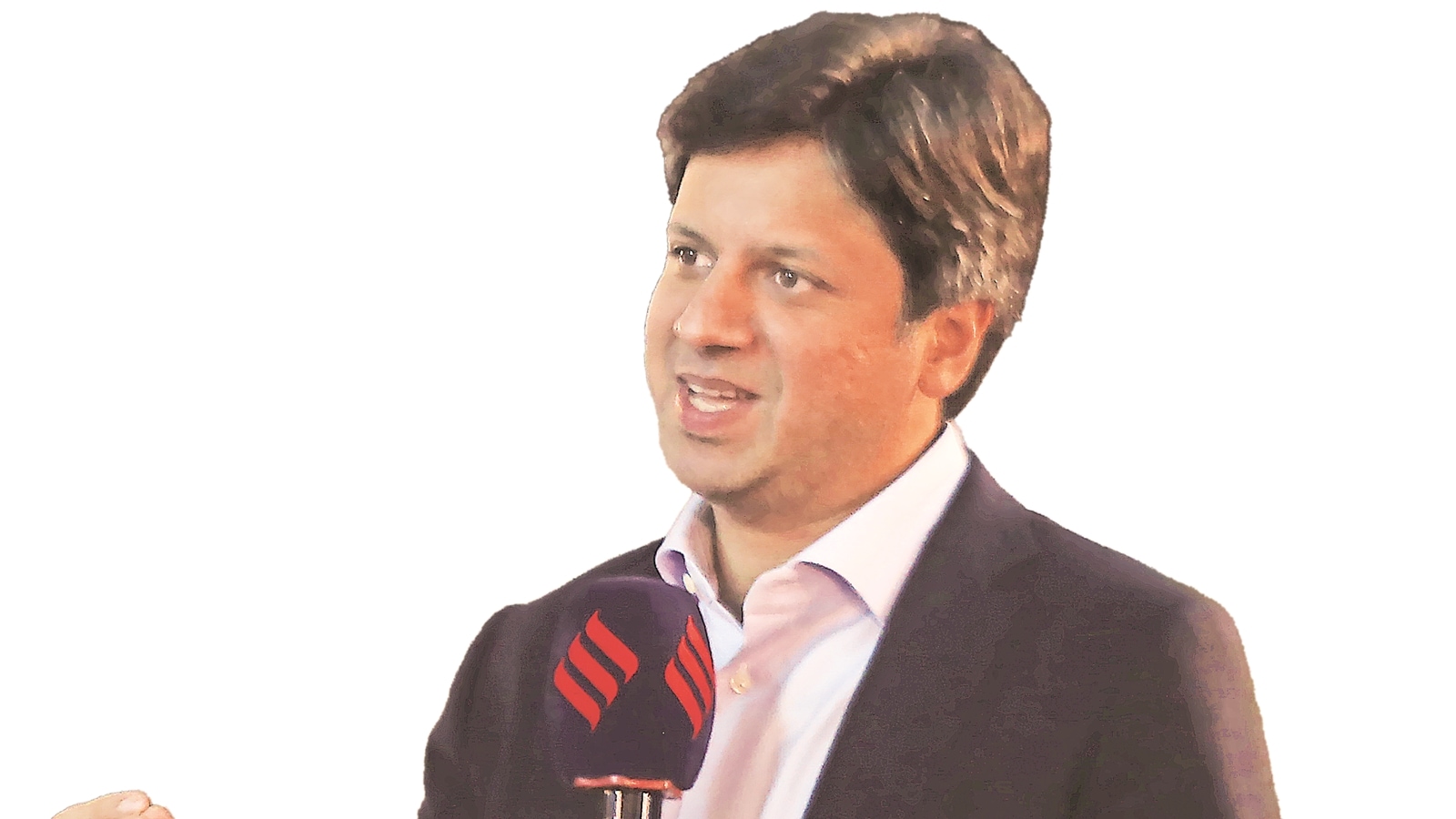 Anant Goenka, Executive Director, The Indian Express Group, in conversation with Kal Penn in Mumbai
Anant Goenka
Vice Chairman, RPG Group, President, FICCI
If China doesn’t play by the rules, how can India compete?
I agree with you. It is unusual for a country at that stage of development to be such an export powerhouse. China has an ambitious growth target of 4 to 5 per cent. Given their declining population, it is just not feasible. So therefore, they have decided that we’re just going to do what it takes.
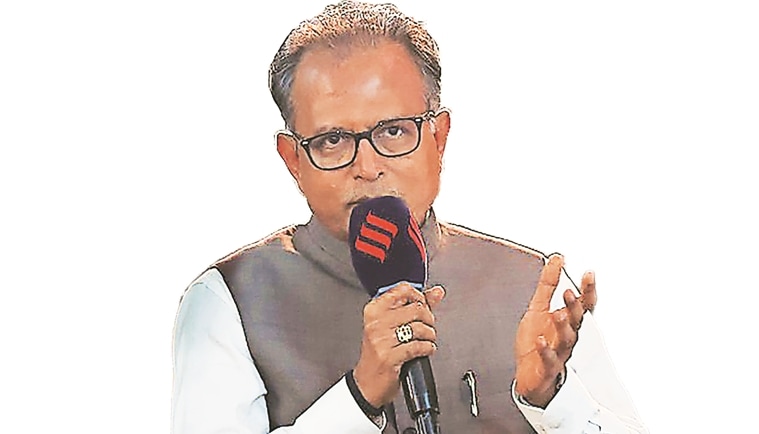 Nilesh Shah
Nilesh Shah
Managing Director, Kotak Mahindra Asset Management
Do appeals urging NRI Indians’ gharwapsi over pressures from the US’s ideologies resonate?
Unfortunately people think more from their pocketbook rather than political ideology anywhere. But a lot of Indians in America are feeling a bit angsty about putting too much capital there so it is an opportunity to capitalise on that.
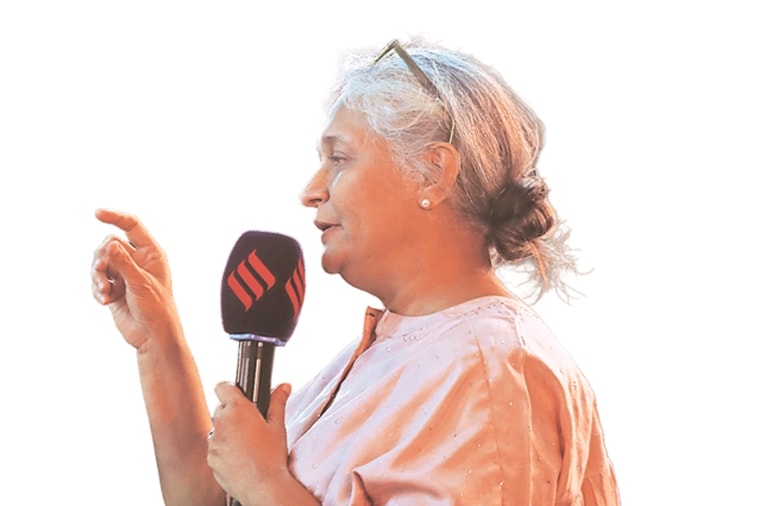 Vidula
Vidula Warawdekar
Ex-india economist, jardine fleming
What would be the reason for the rest of the world to look for another currency? ?
The dollar’s role will gradually decline. But the biggest shortcoming today is not just the currency. It’s the Iran war, the tariffs, and the lack of complete coordination between different powers. That is the biggest tragedy of the global economy.
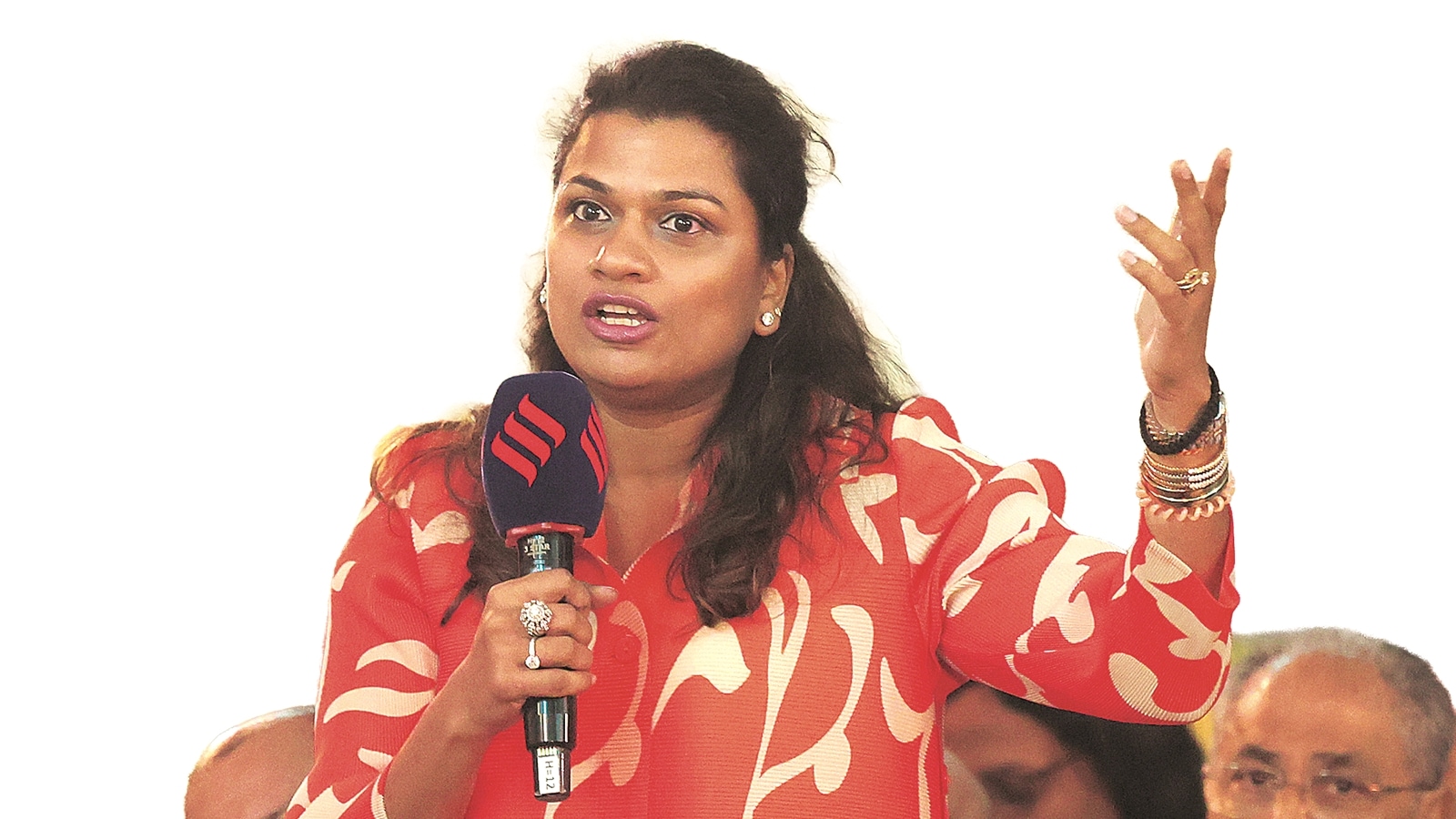 Arti Yargop, Investment Professional, Rare Enterprises
Arti Yargop
Investment professional, Rare Enterprises
Pakistan is now in Trump’s back pocket. How does that play out long-term for India?
I wish India would be a bit more broad-minded. We got carried away with Operation Sindoor and didn’t quite think about its strategic consequences. I have said previously, we need to obsess over China instead. It would lift our game.

 English (US) ·