

 1 hour ago
7
1 hour ago
7
ARTICLE AD BOX
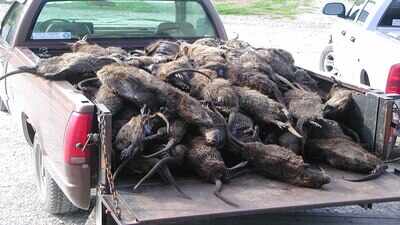
A daring mission to rid South Georgia Island of invasive rats, which had devastated native seabird colonies for over two centuries, has been declared a resounding success. Image Credits: Wikimedia Commons
South Georgia Island is a remote, wind-swept place known for its seabird colonies. Instead, for more than two centuries, a silent and devastating nightmare stalked the misty shores and hidden valleys of South Georgia Island.
In 2011, Britain launched an ambitious mission to eradicate rats on this isolated sub-Antarctic outpost. These invasive rodents severely damaged native seabird colonies over generations, threatening several species by eating chicks and eggs from their nests.According to a report published in the Science journal, this monumental environmental rescue effort has officially achieved what many sceptics originally thought was completely impossible.
By the year 2018, following years of intense work and careful monitoring, the island was declared entirely free of rodents, and native birds were already nesting in places they had abandoned for centuries.A centuries-old nightmare in the frozen southSouth Georgia Island has a long and complex history. Located in the remote southern Atlantic Ocean, this British overseas territory is world-famous for its stunning glaciers, dramatic mountain peaks, and harsh weather.
It is an important breeding ground for seabirds, including petrels, prions, albatrosses, and penguins. However, the island's ecosystem was disrupted in the late eighteenth century when sealers and whalers brought rats on their ships.Rats scrambled off the vessels onto the beaches and quickly discovered a frozen paradise overflowing with easy food. Because the native birds of South Georgia evolved without land predators, they had few defences against these mammals.
Many of these unique birds nest directly on the open ground or inside deep, vulnerable mud burrows. For a rapidly growing rat population, the unprotected bird eggs and helpless chicks were incredibly easy targets.Over the decades, rodent numbers spread across the island and caused severe damage to the local ecosystem. Some coastal valleys that once held large breeding colonies became much quieter as a result of the infestation. According to official conservation records from the Government of South Georgia and the South Sandwich Islands, the South Georgia pipit, a tiny songbird found nowhere else on Earth, was pushed close to extinction, while the South Georgia pintail duck survived mainly on rat-free offshore islets.
The scale of the problem led conservationists to pursue an unusually ambitious solution.Eradicating a million rodents from the skyIn 2011, the South Georgia Heritage Trust designed a plan that would become one of the largest island eradication projects ever attempted. As detailed in the official project history published by the Government of South Georgia, the logistics of the operation were difficult because South Georgia is a large, rugged island with freezing weather, strong winds, and mountainous terrain.The team had to ensure that no breeding rats survived, because even a small number could allow the population to recover. The strategy relied on three specialised helicopters and a team of scientists. Over three phases spanning several years, the helicopters dropped roughly 300 tonnes of bait across rat-infested areas of the island. The bait was designed to attract rodents and withstand sub-Antarctic conditions.The team also used the island's glaciers to their advantage during the project. Because rats cannot cross large glaciers, these features helped divide the island into separate zones. This allowed the scientists to clear the island section by section while reducing the risk of rats recolonising treated areas.
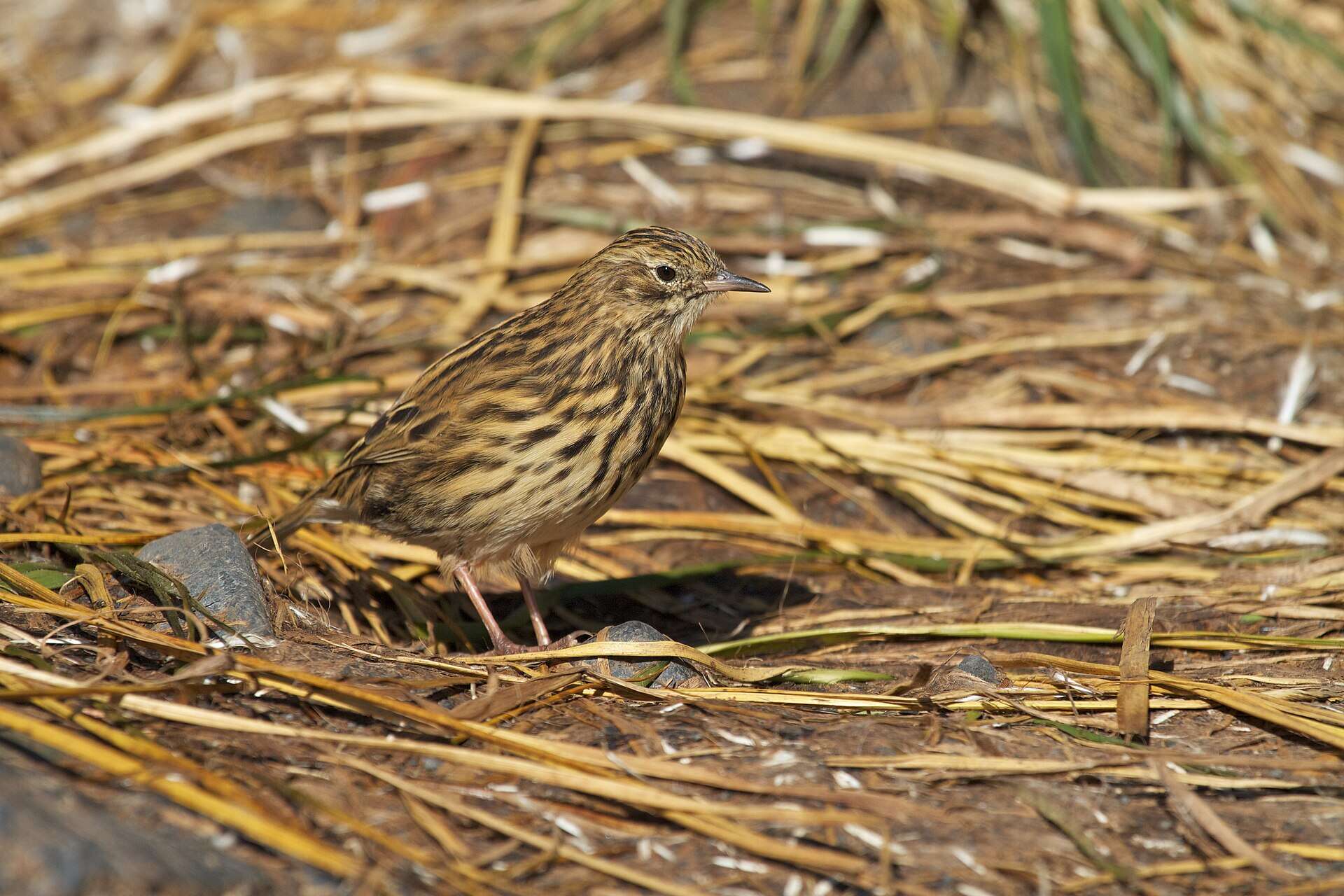
Launched in 2011, the ambitious project utilised helicopters to distribute bait across the remote sub-Antarctic outpost. By 2018, the island was declared rodent-free, leading to a remarkable recovery of its unique wildlife, including the near-extinct South Georgia pipit. Image Credits: Wikimedia Commons
Monitoring the resultsDropping the bait was only the first step; the team then spent years monitoring the island to confirm the project worked.
Scientists used a combination of traditional and modern tracking tools to find any lingering pests, setting up thousands of clever chew sticks smeared with tasty peanut butter, which would easily show distinct rodent tooth marks if a single rat was nearby. They also brought in sniffer dogs that searched the rough terrain for any sign of rodent life.In 2011, the mission was seen as a costly gamble, but by 2018 the island was officially declared rat-free.
The local wildlife has recovered quickly since the eradication. As Science reported, the ecosystem began to recover after the rodents were removed.The rare South Georgia pipit has bounced back dramatically, and visitors to the island now report hearing the sweet songs of these little birds echoing through valleys where they had been missing for generations. South Georgia pintails have also returned to some areas, while burrowing petrels are recolonising parts of the island. The project is now seen as a model for other island eradication efforts.









 English (US) ·