

 1 hour ago
4
1 hour ago
4
ARTICLE AD BOX

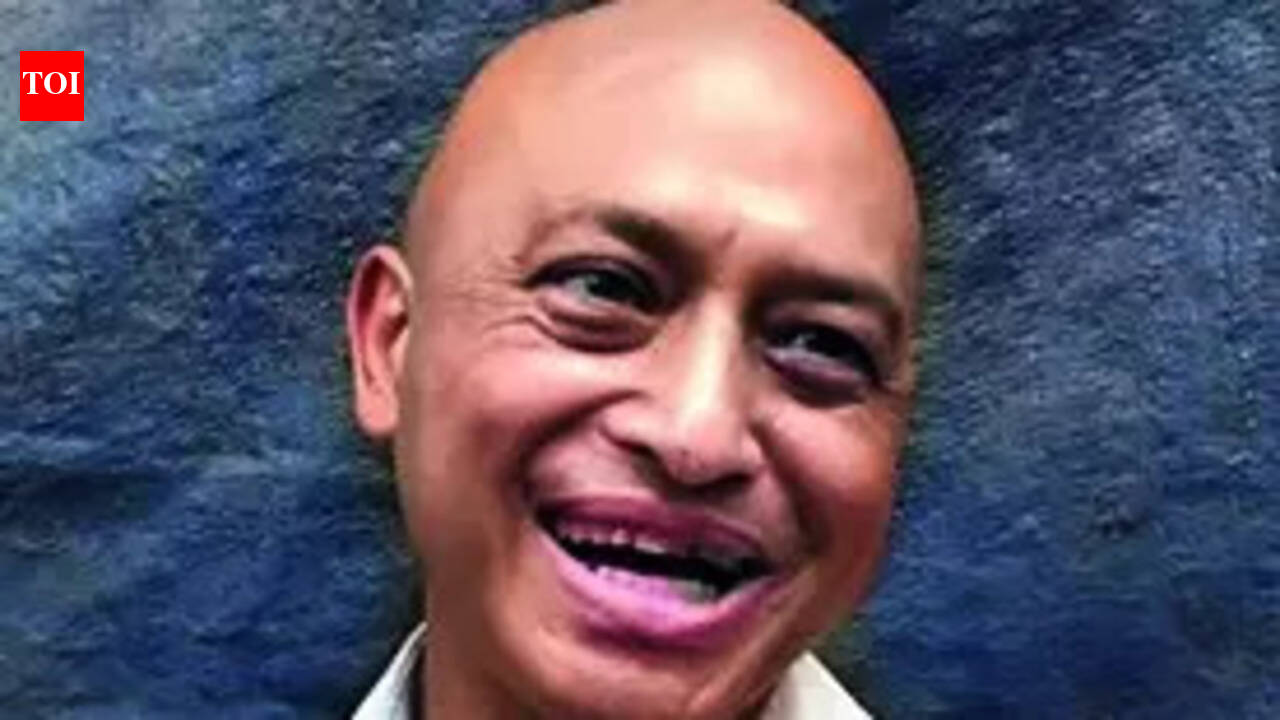
A social media post by Indian entrepreneur Devaiah Bopanna has ignited a heated debate online after he questioned why some Indian-Americans, particularly high-profile CEOs and founders, appear to adopt American accents while many long-term Indian residents in the US do not.In a post that quickly gained traction on X, Bopanna reflected on his own circle of engineering friends who moved to the United States for their master’s degrees between 2008-2013 and have been living there for nearly two decades. Despite spending what he described as “about 18 years” in the country, “nearly half your speaking life” many of them, he noted, still speak without a noticeable American accent.Bopanna, co-founder of Moonshot and content head at Superteam, contrasted this with the Indian-American bankers, engineers, CEOs and founders frequently seen speaking at global summits and industry panels, many of whom, he observed, speak with a distinct Indian-American accent. He went on to ask whether picking up an accent is a "conscious choice" aimed at professional advancement or social acceptance. "How can so many people not have accents and so many people do?" he wrote, further questioning whether accent shifts are a natural adaptation process where individuals have “no control over their accents,” or a deliberate decision.
While the post appeared to stem from personal curiosity, it quickly spiraled into a wider NRIs versus Indians debate in the replies.
An Indian-origin Harvard graduate based in Pittsburgh swiftly explained the entire question as a matter of "code-switching." He claimed picking up an accent was as much about becoming "intelligible to the average co-worker" as it was about "fitting in." Additionally, he pointed out that if one has a majority of Indian coworkers and clients, then "you probably never need to code-switch." Another Indian-origin man who claimed to have lived in the West, including America for "more than a decade," added that his accent "did not change a bit" and he did not feel the need to fake his accent "like these people do."Adding that he had seen people live in the US for a year and pick up an accent, describing the tendency as "brown Sepoy syndrome." The term, relatively new on the internet, is used to describe the silent withdrawal of Indians in the West, a mindset of surrender where survival and gratitude has turned into mental servitude.The debate comes amid heightened tensions surrounding immigration and identity politics in the United States.
Since January 2025, under the renewed Trump administration, Indian-Americans — particularly those connected to the H-1B visa system — have faced intensified scrutiny and criticism. At the same time, some Indians on social media have criticised members of the diaspora for leaving the country in pursuit of opportunities abroad.According to a report by the Center for the Study of Organized Hate, posts on X containing anti-Indian slurs, stereotypes, or calls to “deport Indians” amassed 280 million views over a two-month period in 2025, underscoring a broader surge in anti-Indian rhetoric online.What began as a question about accents has thus unfolded into a larger conversation about assimilation, professional identity and belonging in an increasingly polarised climate.




 English (US) ·