

 1 hour ago
4
1 hour ago
4
ARTICLE AD BOX
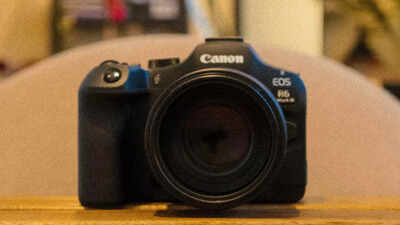
Three years after the Mark II became Canon's bestselling mirrorless body, the Mark III arrives with a proposition that sounds almost greedy—more resolution, faster burst speeds, cinema-grade video, and autofocus that feels borderline telepathic. At Rs 2,43,995, it asks for a meaningful investment. The unchanged viewfinder and closed RF ecosystem are real trade-offs. But for photographers who need one camera to do everything well, this is it.
The R6 series has always been Canon's quiet achiever. Not the camera you dream about when you're starting out. Not the one you settle for when budgets get tight. It sits in that productive middle ground where serious photographers actually work—expensive enough to mean business, accessible enough that you don't need to remortgage anything.Three years after the Mark II became Canon's bestselling mirrorless body, the Mark III arrives with a proposition that sounds almost greedy: more resolution, faster everything, video specs borrowed from cinema cameras, and autofocus that borders on telepathic. At Rs 2,43,995, it asks for a meaningful investment. Whether it delivers on that promise took me several weeks of shooting to figure out.
Familiar hands, fresh firepower
The moment I pulled the R6 Mark III from its box, muscle memory kicked in.
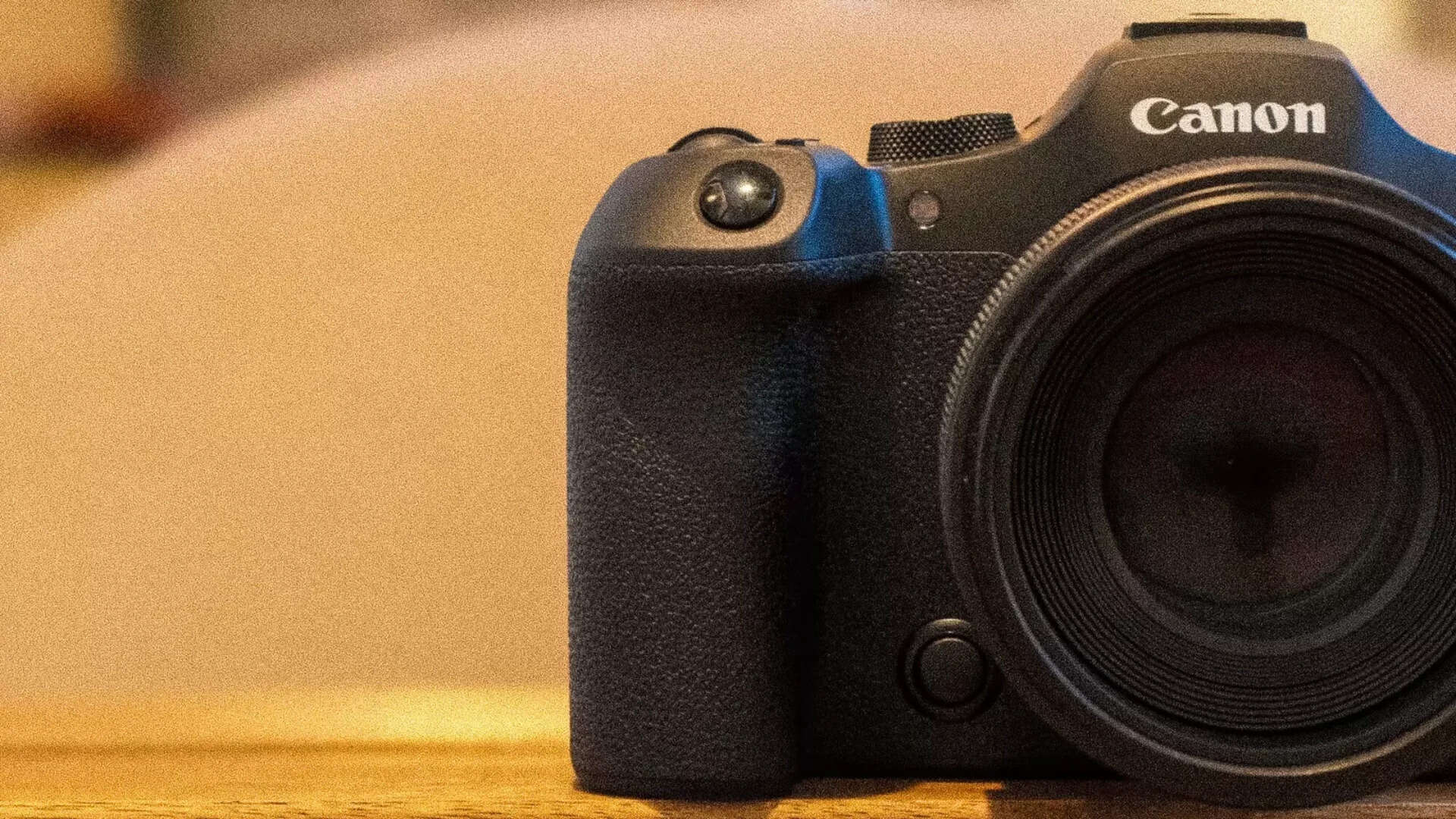
Same body shape as its predecessor. Same button placement. Same deeply sculpted grip that wraps around four fingers like it was moulded specifically for human hands. Canon added 29 grams somewhere in the engineering process, but my shoulders couldn't tell the difference after a full day of shooting.
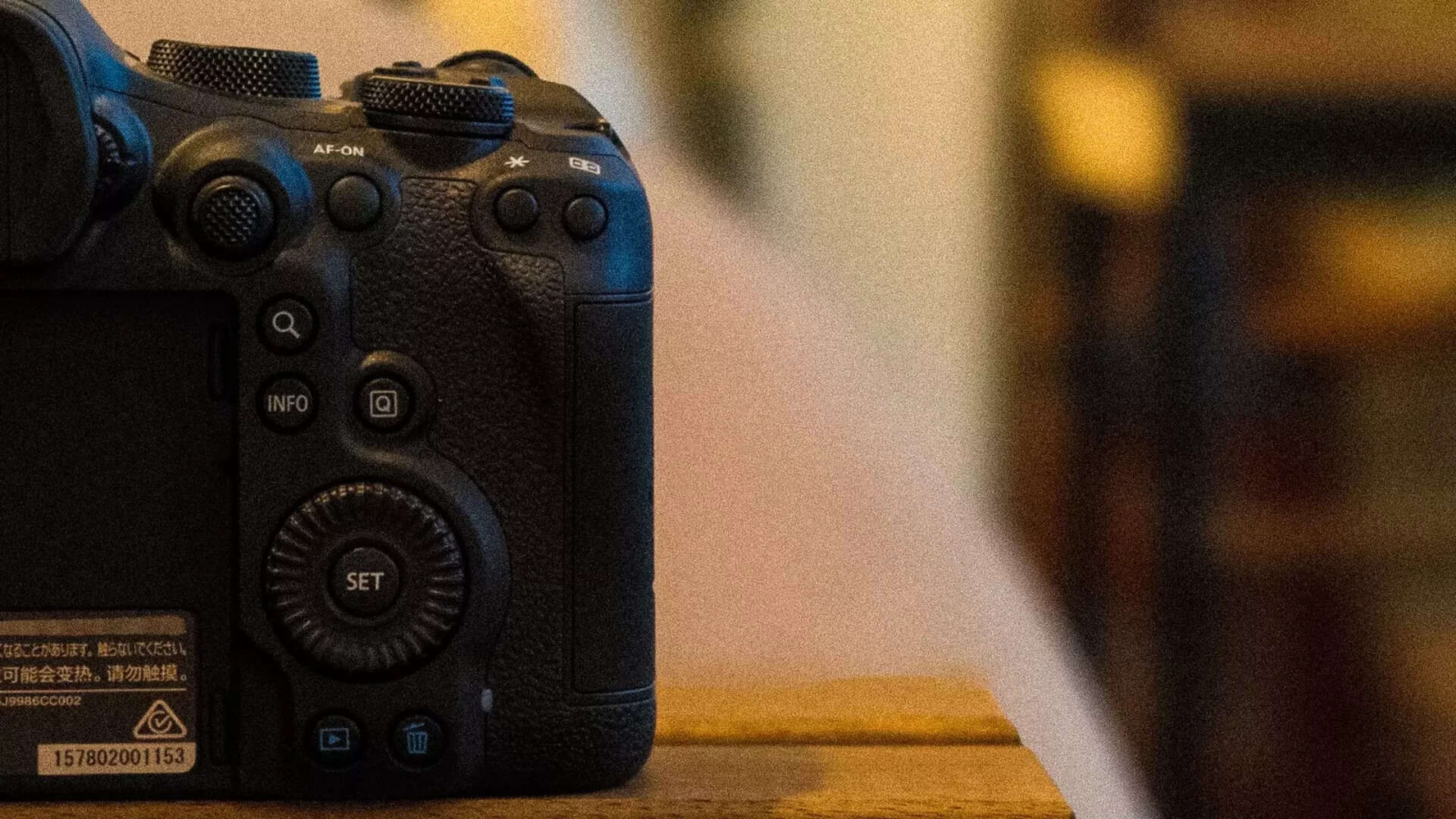
This conservatism in design isn't laziness—it's respect for photographers who've built workflows around specific ergonomics.
The mode dial falls exactly where your thumb expects it. The joystick sits perfectly for rapid focus point adjustments. The photo/video switch on the left shoulder toggles between worlds without hunting through menus.
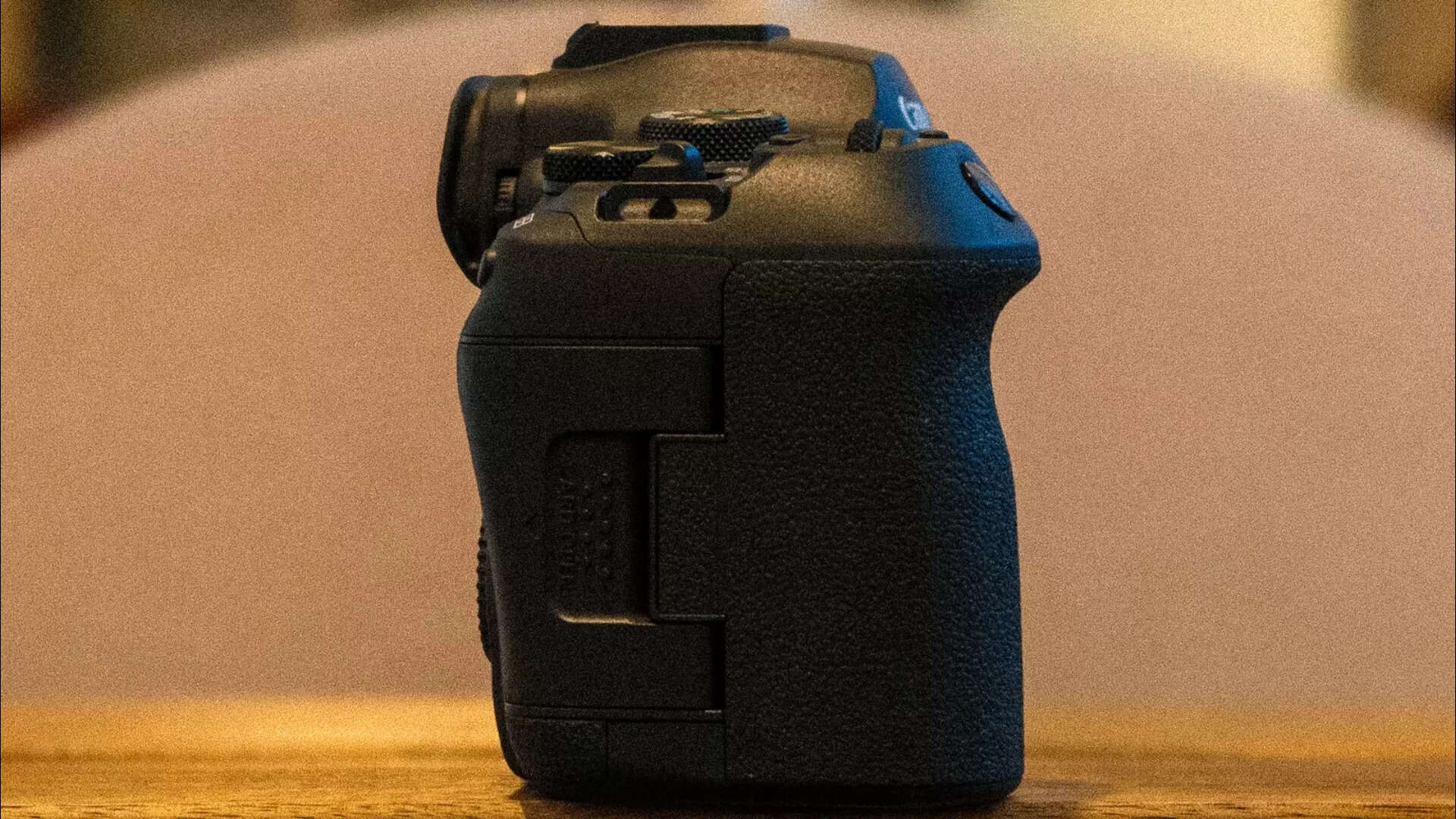
The polycarbonate shell with magnesium alloy guts strikes that balance between ruggedness and portability that matters when you're hiking to a location or navigating a crowded wedding reception.
Weather sealing keeps dust and light moisture at bay—not submarine-grade protection, but enough confidence to keep shooting when conditions turn unfriendly.What's genuinely new hides beneath the surface. Canon swapped the dual SD card setup for one CFexpress Type B slot paired with UHS-II SD. Serious shooters will appreciate this—CFexpress handles the camera's more demanding modes without choking, while the SD slot offers flexibility for everyday work.
The micro-HDMI port that frustrated videographers on the Mark II? Gone. A full-size HDMI connector takes its place, which anyone who's snapped a micro-HDMI cable mid-shoot will celebrate quietly.
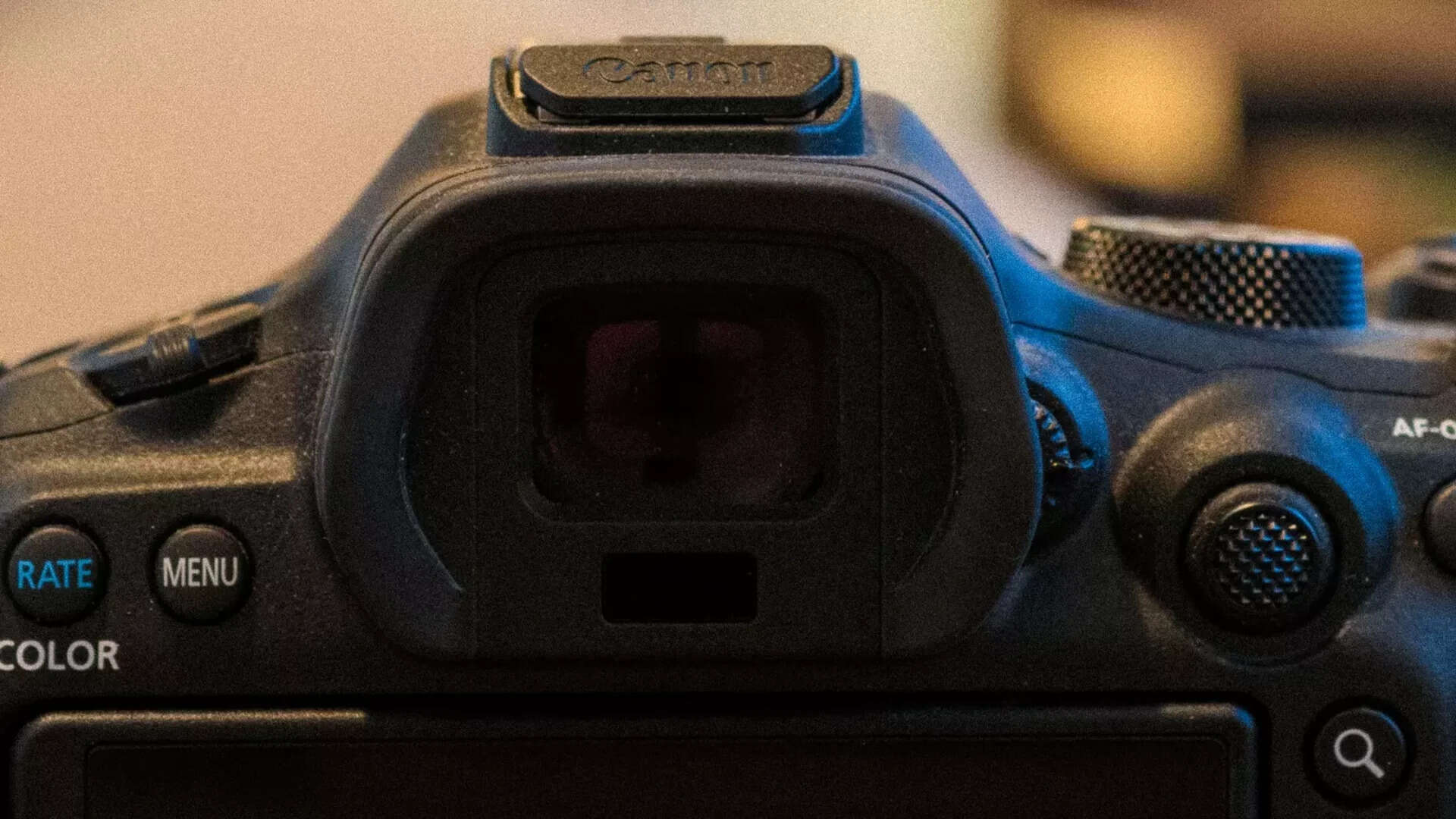
The electronic viewfinder and rear LCD, however, carry over unchanged—3.69 million dots and 1.62 million dots respectively. Both work perfectly fine, but there are cameras that offers a noticeably larger and sharper viewfinder that makes a genuine difference during extended shooting sessions.
At this price point, Canon could have pushed harder here.
32.5 megapixels of breathing room
Here's where the Mark III makes its loudest statement. Canon jumped from 24.2 to 32.5 megapixels—a 34% resolution increase that lands this camera squarely in Sony A7 IV and A7 V territory. Numbers on spec sheets rarely excite me, but this bump matters in practice.
![<p class="font-claude-response-body break-words whitespace-normal leading-[1.7]"><em>A cropped section of a wider street frame—book spine detail holds at 32.5MP even after significant crop.</em></p>](https://static.toiimg.com/photo/imgsize-23456,msid-129678719/p-classfont-claude-response-body-break-words-whitespace-normal-leading-1-7ema-cropped-section-of-a-wider-street-framebook-spine-detail-holds-at-32-5mp-even-after-significant-crop-emp.jpg)
More pixels mean more cropping freedom. That kingfisher perched at the far reach of your telephoto? Crop in and still have enough resolution for a substantial print.
The wedding guest who photobombed the corner of your ceremony shot? Trim them out without sacrificing the couple's faces. Street photographers who frame loose and tighten compositions later get considerably more latitude to work with.The sensor itself shares DNA with Canon's EOS C50 cinema camera, which tells you something about its video ambitions. But unlike purely video-focused chips, this one reads out fast enough to maintain the burst speeds that made the R6 series famous.
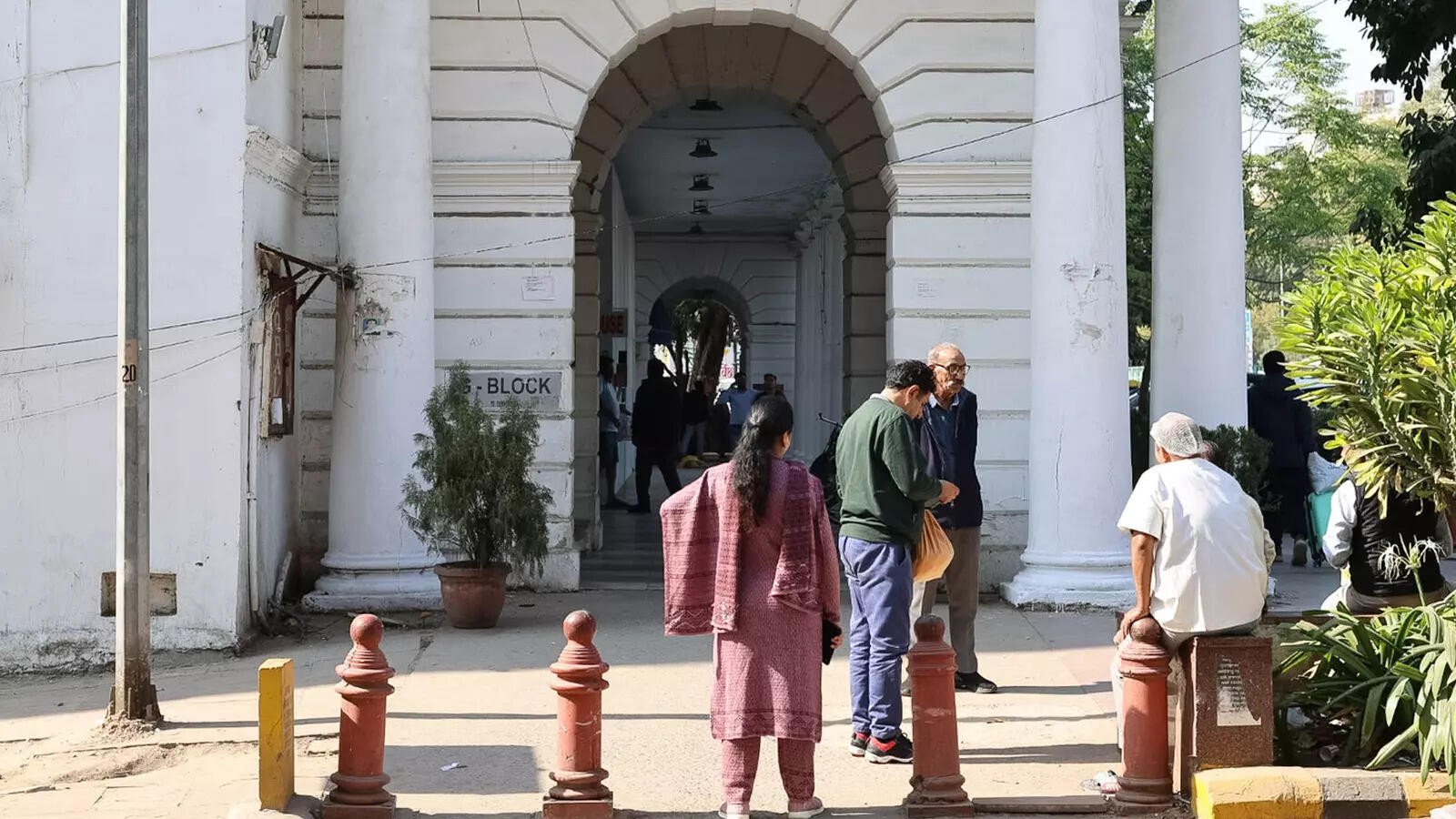
Dynamic range impressed me throughout. Shooting high-contrast scenes—backlit subjects against bright windows, shadowed faces under harsh midday sun—the RAW files held recoverable detail in both highlights and shadows. Not infinite latitude, but enough to rescue shots that looked blown on the camera's LCD. Canon's colour science continues to deliver those warm, flattering skin tones that portrait photographers love without heavy-handed post-processing.

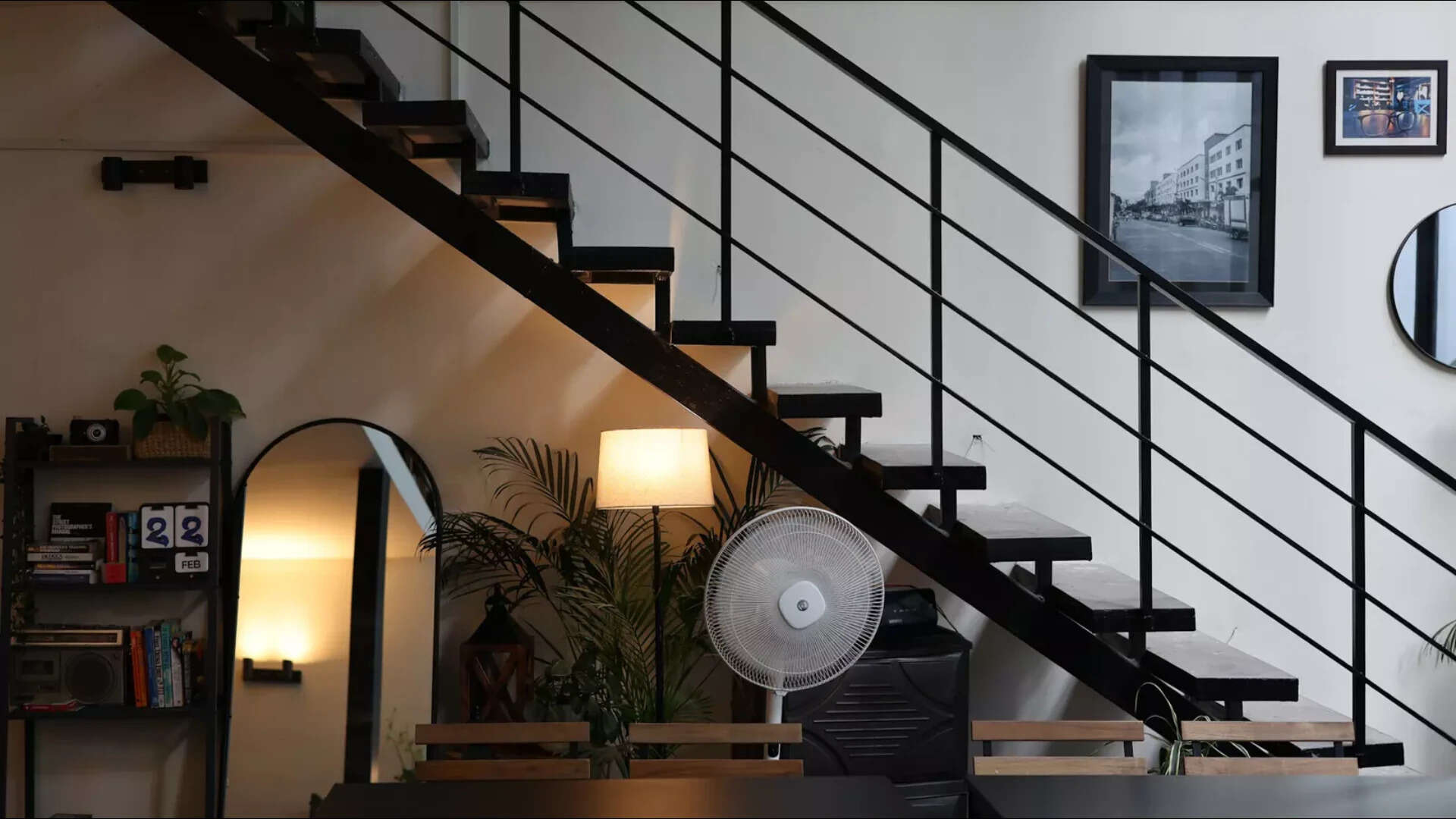
High ISO performance stays competitive up to about 12,800, where noise remains controlled and detail holds steady. Push beyond that and you'll see degradation, though even ISO 25,600 produced usable files in a pinch. The native ceiling dropped from the Mark II (64,000 versus 102,400), which might concern astrophotographers or extreme low-light specialists. Most real-world shooting happens well below those extremes, but the regression is worth noting.
Forty frames per second sounds excessive until it isn’t
Let's be honest: nobody needs 40 frames per second for most photography. Landscapes don't move. Portraits rarely require machine-gun bursts. Even sports and wildlife work fine at 20fps for nearly every situation.But "nearly every" isn't "every." When a hummingbird hovers for half a second before darting away, when a batsman follows through on a cover drive, when a toddler's expression shifts from confusion to pure joy in a heartbeat—those microsecond windows are exactly when 40fps earns its keep.The R6 Mark III maintains this speed with full autofocus and auto-exposure tracking at every frame. Electronic shutter only, which introduces a caveat: the sensor drops to 12-bit readout in this mode, slightly reducing dynamic range compared to the mechanical shutter's full 14-bit output. Most photographers won't notice in typical conditions, but if you're aggressively lifting shadows in post-production, mechanical shutter remains preferable when flash sync and absolute silence aren't required.
![<p class="font-claude-response-body break-words whitespace-normal leading-[1.7]"><em>The top plate's drive selector is where 40fps, mechanical shutter, and pre-continuous shooting modes live—one dial click separates a single shot from a 150-frame RAW burst</em></p><div style="width: 20px; height: 20px; display: flex; align-items: center; justify-content: center"><svg><path></path></svg></div><div style="width: 20px; height: 20px; display: flex; align-items: center; justify-content: center"><svg><path></path></svg></div><div style="width: 16px; height: 16px; display: flex; align-items: center; justify-content: center"><svg><path></path></svg></div><div style="width: 16px; height: 16px; display: flex; align-items: center; justify-content: center"><svg><path></path></svg></div><div style="width: 20px; height: 20px; display: flex; align-items: center; justify-content: center"><svg><path></path></svg></div>](https://static.toiimg.com/photo/imgsize-23456,msid-129678838/p-classfont-claude-response-body-break-words-whitespace-normal-leading-1-7emthe-top-plates-drive-selector-is-where-40fps-mechanical-shutter-and-pre-continuous-shooting-modes-liveone-dial-click-separates-a-single-shot-from-a-150-frame-raw-burstempdiv-stylewidth-20px-height-20px-display-flex-align-items-center-justify-content-centersvgpathpathsvgdivdiv-stylewidth-20px-height-20px-display-flex-align-items-center-justify-content-centersvgpathpathsvgdivdiv-stylewidth-16px-height-16px-display-flex-align-items-center-justify-content-centersvgpathpathsvgdivdiv-stylewidth-16px-height-16px-display-flex-align-items-center-justify-content-centersvgpathpathsvgdivdiv-stylewidth-20px-height-20px-display-flex-align-items-center-justify-content-centersvgpathpathsvgdiv.jpg)
Canon doubled the buffer from the Mark II. You now get 150 RAW files before the camera needs to catch its breath—roughly 3.7 seconds of continuous firing at maximum speed. Paired with a fast CFexpress card, clearing that buffer takes about 10 seconds. It's the kind of headroom that lets you forget about technical limits and stay immersed in the moment.Pre-continuous shooting might be my favourite new capability. Enable this mode and half-press the shutter.
The camera silently buffers 20 frames, waiting. Nothing gets saved to the card yet. Then the moment happens—the Jenga tower collapses, the dog leaps for the frisbee, the child's eyes widen in surprise—and you fully press the shutter. Those 20 pre-buffered frames get saved alongside everything that follows.This effectively makes your reaction time irrelevant. The camera was already shooting before you consciously decided to capture the moment.
The Mark II offered something similar through Raw Burst mode, but it was clunky—proprietary files that needed Canon's software to extract individual frames. The Mark III treats pre-capture images like normal RAWs or JPEGs, ready for your preferred editing workflow immediately.
Autofocus that borders on unsettling
Canon's Dual Pixel CMOS AF II system has been refined with algorithms borrowed from the flagship R1 and R5 Mark II. The practical result approaches witchcraft.I photographed birds in flight, keeping them deliberately small in the frame to stress-test the tracking. The camera spotted them entering the scene, locked focus, and held on through banks, dives, and erratic direction changes. When branches momentarily obscured the subject, the system waited rather than panicking to the background, then resumed tracking seamlessly once the bird reappeared.Human detection feels similarly confident. Eyes, faces, heads, bodies—the camera understands the hierarchy and switches priorities smoothly as subjects turn away or get partially obscured.
Registered People Priority lets you program up to ten faces in order of importance, and the camera will prioritise your designated subjects regardless of who else crowds into frame. Wedding photographers covering crowded receptions will immediately grasp the value.Low-light autofocus pushes down to -6.5EV with an f/1.2 lens attached. I shot in genuinely dim conditions—indoor evening gatherings, twilight woodland paths—and the system rarely hunted or hesitated.One notable absence: the Action Priority mode found on the R5 Mark II and R1, which optimises tracking for specific sports like basketball and soccer. Canon says this requires the Digic Accelerator co-processor that the R6 Mark III lacks. Most users won't miss it, but dedicated sports photographers should factor this into their decision.
The little lens that punches above its weight
Alongside the R6 Mark III, Canon dropped the RF 45mm f/1.2 STM—a lens that deserves serious attention despite its unassuming profile.
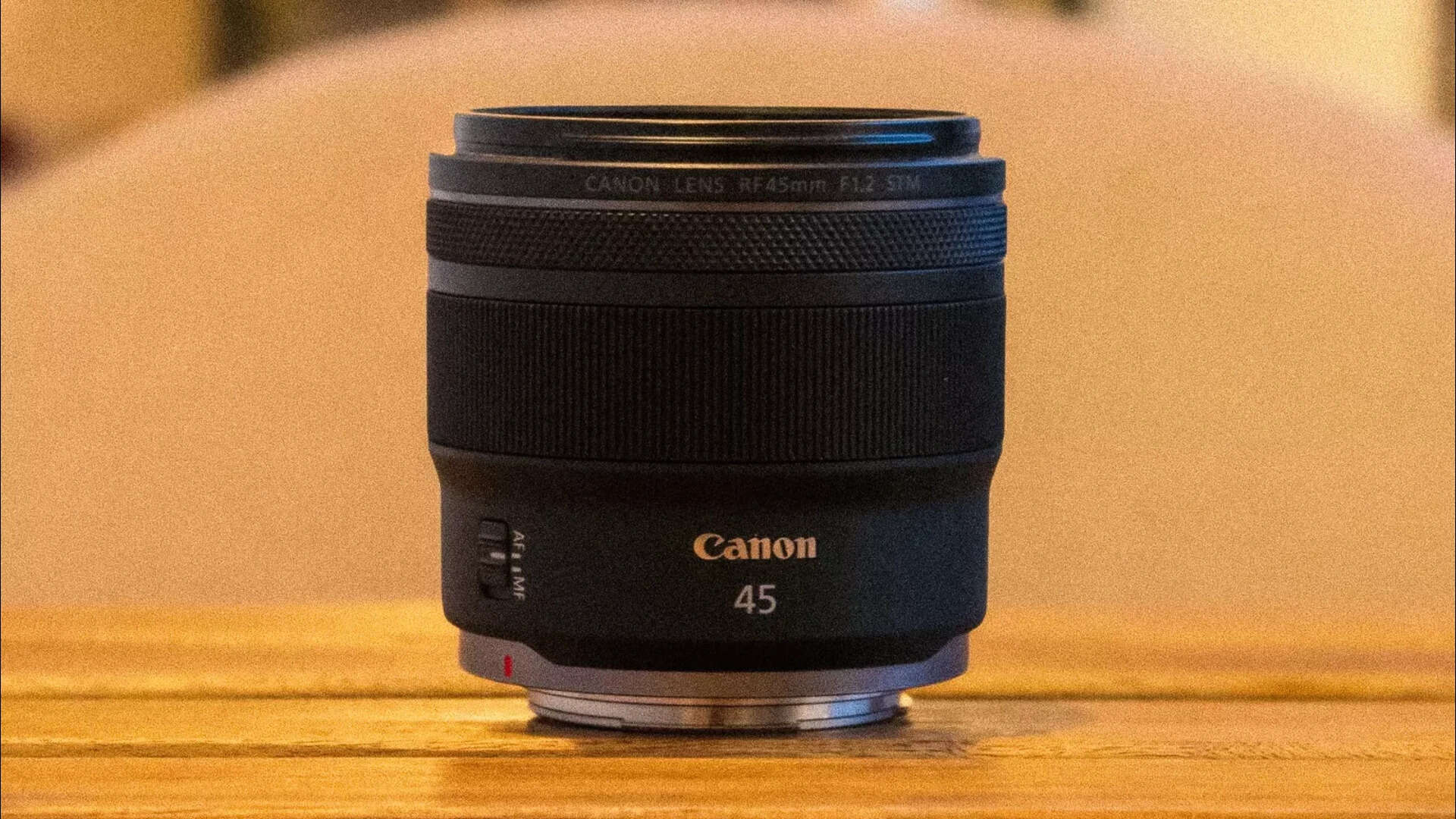
At around Rs 39,000, it's almost absurdly affordable for an f/1.2 aperture. Context matters here: Canon's own RF 50mm f/1.2 L costs over Rs 2 lakh. The Sigma 50mm f/1.2 for other mounts runs past Rs 1.25 lakh. Fast glass has traditionally meant expensive glass, and this 45mm shatters that assumption.Compromises exist, naturally. No weather sealing, which feels inconsistent when paired with a weather-sealed body.
Longitudinal chromatic aberration creates purple and green fringing in high-contrast areas—those holiday string lights against a dark background will show colour artefacts if you pixel-peep. Corners soften wide open, and there's noticeable focus breathing during video.
Here's what matters more: centre sharpness at f/1.2 holds up beautifully. The rendering carries that creamy, three-dimensional quality you buy fast glass to achieve.
Backgrounds melt into smooth bokeh while subjects pop forward with presence. I left the aperture at f/1.2 for most of my testing and rarely felt the images suffered for it.At 346 grams, the lens weighs nearly half a kilogram less than premium f/1.2 alternatives. Paired with the R6 Mark III, the combination feels balanced and genuinely portable—small enough to throw in a bag for casual outings, capable enough to trust with serious work.
The 45mm focal length splits the difference between 35mm's environmental context and 50mm's portrait-friendly compression, landing in a versatile sweet spot.If Canon ever builds this lens into a compact body à la Fujifilm X100 or Leica Q, my wallet is already trembling.
Video that embarrasses dedicated cameras
Reading the R6 Mark III's video specs feels like Canon accidentally copied from a cinema camera product sheet. Internal 7K RAW recording at 60fps.
Open gate 7K at 30fps using the entire 3:2 sensor area. 4K at 120fps without cropping. Oversampled 4K 60p from that 7K readout. Canon Log 2 and Log 3 for maximum grading flexibility. Four-channel audio. Waveform monitor and false colour for exposure accuracy.Open gate deserves special explanation. Traditional video crops your sensor to 16:9 widescreen, discarding the top and bottom of the frame. Open gate captures everything—the full 3:2 rectangle your sensor actually sees.
In post-production, you choose your final aspect ratio: 16:9 horizontal for YouTube, 9:16 vertical for Instagram Reels and TikTok, 1:1 square, whatever the platform demands. During shooting, the R6 Mark III can display two aspect markers simultaneously, letting you frame for multiple deliverables without needing separate takes.The catch? No built-in cooling fan. Extended 7K RAW recording can trigger thermal shutdowns, and Canon is upfront about this trade-off for maintaining a compact hybrid body.
During my testing, I didn't encounter overheating, but my sessions never pushed continuous recording to extremes. Videographers needing unlimited RAW recording should examine the EOS C50, which shares this sensor but adds active cooling.Canon's continued refusal to license RF mount to third-party manufacturers also limits lens options. If you want autofocus glass from Sigma, Tamron, or Viltrox, Sony E-mount and Nikon Z-mount offer dramatically wider selections.
Canon covers the essential focal lengths well with first-party options, but variety suffers compared to more open ecosystems.Battery life rates at 620 shots in power-saving mode or 510 in standard mode—respectable for mirrorless but nothing exceptional. Heavy shooters will want spares.
Should you buy it?
For its Rs 2,00,000+ price tag, the R6 Mark III sits in competitive territory. Sony's A7 V matches resolution and arguably exceeds dynamic range, though it offers fewer video tricks and a less comfortable grip.
The Nikon Z6 III brings a partially stacked sensor and superior viewfinder for roughly a little less, but trails in autofocus sophistication.What the R6 Mark III offers is the most complete package in its class. Wedding photographers wanting a capable second body. Content creators splitting time between stills and video who refuse to compromise on either. Wildlife and sports shooters who value speed and tracking without flagship pricing.
Enthusiasts upgrading from older bodies who want a camera that won't limit them as their skills develop.If you're currently shooting the original R6, the Mark III represents a substantial upgrade across essentially every metric. If you're on the Mark II and your work doesn't demand higher resolution or advanced video, the jump is harder to justify—your current camera remains genuinely excellent.There's no single feature here that rewrites the rulebook.
And there are some missing that feels like a missed opportunity at this price, especially the unchanged viewfinder. The lack of active cooling limits prolonged RAW video recording counts as second. Then, Canon’s closed RF mount ecosystem restricts third-party lens options. These are real trade-offs worth weighing.But none of them undermine what Canon got right.The autofocus inspires confidence. The speed captures moments others miss. The video capabilities satisfy serious production demands. The image quality rewards careful post-processing while delivering excellent results straight from camera.Specialist cameras have their place. But sometimes you just need one that does everything well—and the R6 Mark III is exactly that.





 English (US) ·