

 5 days ago
8
5 days ago
8
ARTICLE AD BOX
5 min readHyderabadFeb 16, 2026 07:20 PM IST
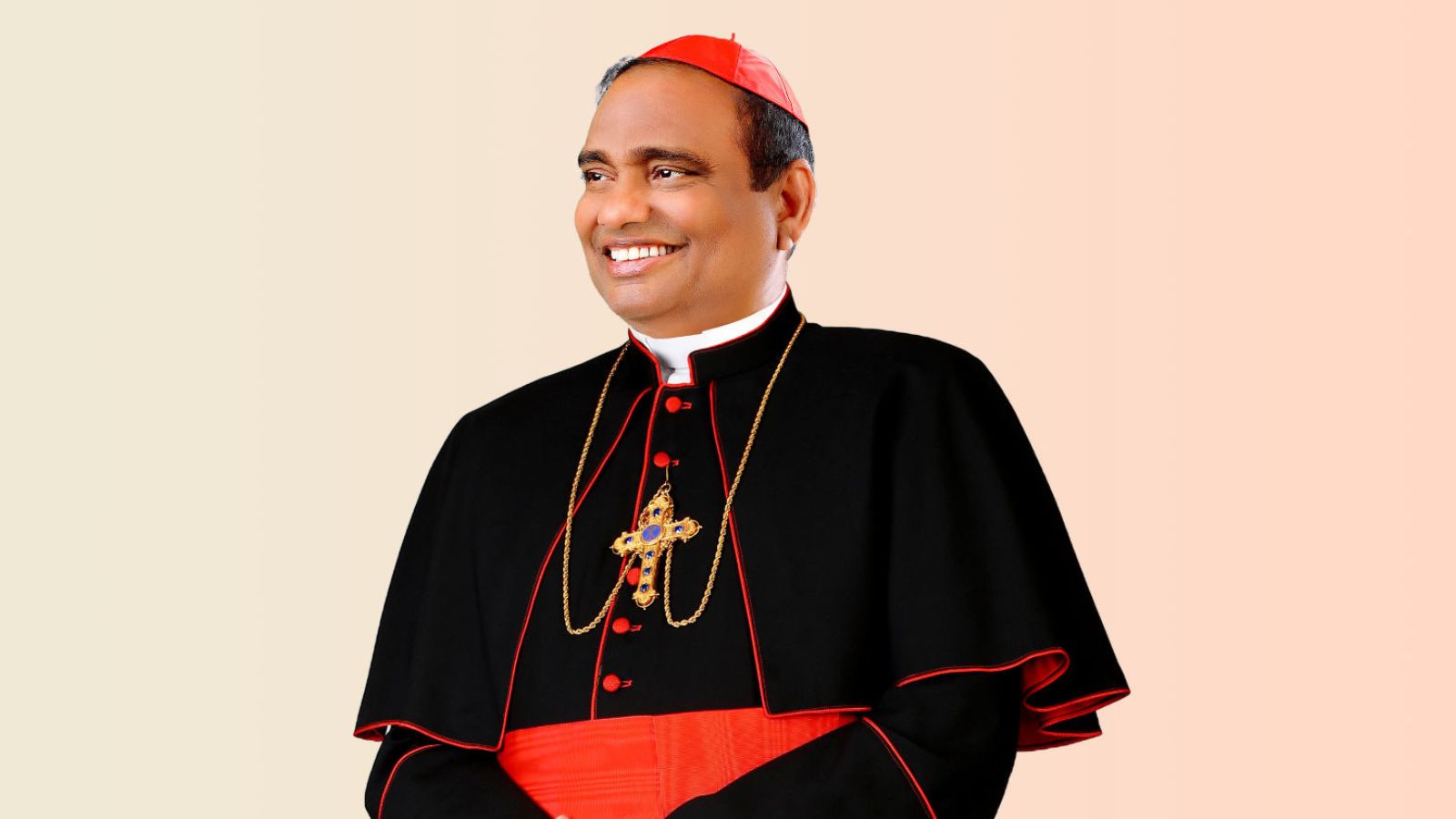 Cardinal and Archbishop of Hyderabad Poola Anthony assumed charge as president of the Catholic Bishops’ Conference of India. (File Photo)
Cardinal and Archbishop of Hyderabad Poola Anthony assumed charge as president of the Catholic Bishops’ Conference of India — which leads the country’s two crore Catholic population — last week. Edited excerpts from an interview:
What is the future of the Church in India? In the context that in European countries, churches are closing down. But in India, there is growth. How do you look at this?
The future of the church in India is hopeful. In some European countries, churches are closing, and fewer people are practising their faith. But India is different. Here, faith is still alive and strong. People value religion, family and community life. The church in India is young and active. It is close to the people, especially the poor and the marginalised. But growth is not only about increasing numbers. True growth means living the message of Christ through education, healthcare, social service and respect for every human being.
How does the Church view reports of attacks on Christians?
Any form of violence or intimidation is painful and unacceptable in a democratic country. Our response, however, is not retaliation but dialogue, legal recourse and prayer. The church will document incidents and seek justice through constitutional means… We will encourage the faithful not to give in to fear but to remain firm in faith and love. India’s constitution guarantees freedom of religion. We place our trust in the rule of law and in the goodwill of the nation.
In a recent press conference by CBCI, there was mention of “fear among Christians”…
Persecution is real. In some places, Christians feel worried because of a few incidents, misunderstandings or social pressure. But the Christians in India are not living in panic. We continue to live our faith with courage and hope.
If there is fear, it comes mainly from uncertainty and from feeling that we are sometimes misunderstood. Our response is not to hide or withdraw, but to become more active in serving society with honesty and love.
What are the Church’s expectations from the state governments and the Centre?
We ask for three simple things — including protection of constitutional rights, especially freedom of religion. Swift and impartial investigation of incidents of violence and public reassurance that minority communities are safe and valued. We do not ask for special privileges. We ask only that the Constitution be upheld equally for all citizens.
What we expect from the government is very simple. If a crime is committed, it must be treated as a crime – not justified by ideology. The police must act quickly and fairly, no matter who is involved. False accusations, especially regarding forced conversions, should be properly investigated. Leaders at all levels should clearly speak against violence and promote harmony.
Story continues below this ad
Dalit Christians have been asking for SC category status. What is the Church’s view?
This is a matter of justice and equality. Dalits who embrace Christianity do not automatically cease to face social discrimination. The stigma of caste often continues in social life. The Church supports the demand that the Scheduled Caste status should not be restricted by religion. The issue is not about conversion but about historical injustice and equal rights under the Constitution. The Church will continue to advocate peacefully and constitutionally for this recognition.
What is the Church’s view on anti-conversion laws in different states?
The Church believes that faith must always be free and a personal choice. We do not support forced or fraudulent conversions. However, laws that are vaguely worded or misused can create suspicion and harassment of genuine religious activity. Freedom of conscience is a fundamental right guaranteed by the Constitution of India. Evangelisation for us is primarily witnessed through service, love, and charity – not coercion. Any law must protect freedom, not restrict it.
As CBCI president and a Dalit Christian yourself, what is your vision for the downtrodden within the Church?
As CBCI president, my vision is clear: the Church must stand first with the poor and the marginalised. Within the Church, we must make sure that Dalits, tribals, women and other marginalised groups feel respected, included and valued. This means giving them proper representation in leadership roles, ensuring equal access to education and opportunities in church institutions and addressing and removing any form of caste discrimination within our Christian communities.

Nikhila Henry is an Assistant Editor at The Indian Express, based in Hyderabad. With a career spanning 17 years, she has established herself as an authoritative voice on South Indian affairs, specialising in the complex intersections of politics, education, and social justice. Experience & Career: Nikhila commenced her journalism career in 2007 as an education correspondent for The Times of India in Hyderabad,where she gained recognition for her coverage of student politics. Her professional trajectory includes a four-year tenure at The Hindu, where she focused on minority affairs and social welfare. In 2019, she took on a leadership role as the South Bureau Chief for The Quint, where she directed regional coverage across all five South Indian states. Her expansive career also includes a tenure at the BBC in New Delhi and contributions to prestigious international outlets such as The Sunday Times (London) and HuffPost India. Expertise & Focus Areas Nikhila’s reportage is marked by a deep-seated understanding of grassroots movements and institutional policy. Her core focus areas include: Regional Politics: Comprehensive analysis of the socio-political dynamics across South India. Education & Student Movements: Chronicling the evolution of Indian academics and the rise of youth activism. Minority Affairs: Rigorous reporting on the welfare, rights, and challenges facing marginalized communities. National Beat: Elevating regional stories to national prominence through investigative and on-ground reporting. Authoritativeness & Trust A respected figure in Indian media, Nikhila is not only a seasoned reporter but also an accomplished author and editor. She authored the critically acclaimed book The Ferment: Youth Unrest in India and edited Caste is Not a Rumour, a collection of writings by Rohith Vemula. Her dual background in daily news reporting and long-form authorship allows her to provide readers with a nuanced, historically-informed perspective on contemporary Indian society. Find all stories by Nikhila Henry here. ... Read More
Stay updated with the latest - Click here to follow us on Instagram
© The Indian Express Pvt Ltd



 English (US) ·