

 1 hour ago
8
1 hour ago
8
ARTICLE AD BOX
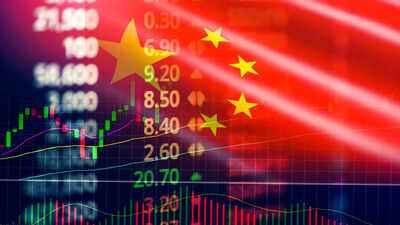
China is quietly designing a financial market where companies can trade AI tokens, the smallest unit of data that AI models chew through, and the move is squarely aimed at keeping pace with the United States.
According to Reuters, the Shanghai Futures Exchange is in the early stages of building futures contracts tied to these tokens, which sit at the heart of how AI services are priced. It is a different bet from the one Wall Street is making, and the timing is not a coincidence.The exchange's research is preliminary, two people familiar with the matter told Reuters, and it is driven partly by the AI rivalry with Washington.
There is no launch date yet, and the plan could still change. The exchange has not said when it will seek regulatory approval, and neither it nor China's securities regulator responded to Reuters' request for comment.
Why China wants a token market now
The numbers explain the urgency. China's daily token usage has jumped 1,000-fold since the start of 2024, hitting more than 140 trillion by the end of March, per official data. Tokens are essentially the digital fuel that powers AI models, and demand for them has outstripped supply.
Compute shortages have already forced several Chinese AI firms to ration how much users can access in recent months.That scramble is why hedging matters. Futures contracts would let companies across the AI supply chain lock in costs and protect themselves against wild price swings, the same way airlines hedge jet fuel. BlackRock chief Larry Fink said this month that surging token demand could spawn an entirely new asset class built around compute.
How the US is playing it differently
America is going the other way. CME Group and Intercontinental Exchange are preparing GPU compute futures, tied to the cost of renting the raw computing power behind AI rather than the tokens themselves. Shanghai's product would price the tokens directly. Both approaches chase the same goal, but they reflect two different views of where the real chokepoint lies.The stakes are being framed in stark terms. Yilei Shao, dean of the Shanghai AI-Finance School at East China Normal University, told Reuters that China should move sooner rather than later, calling token futures central to the contest over AI and semiconductors.
"The United States and China are the only two nations capable of mass-producing artificial intelligence," she said.The push comes as the cost of running AI faces fresh scrutiny. So-called "tokenmaxxing", where firms burn through tokens to chase productivity, has triggered a backlash, with executives at Uber and others questioning whether the spending pays off. A token market would give that anxiety a place to trade.For now, China is expected to debut compute futures within three to five years, brokerage Baocheng Futures said this month, though it warned the fragmented market remains a hurdle. The race, however, has clearly begun.





 English (US) ·