

 3 days ago
10
3 days ago
10
ARTICLE AD BOX
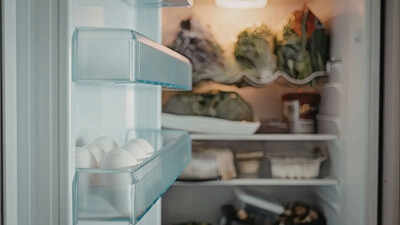
Morning pizza might seem harmless, but leftovers pose a significant food poisoning risk. Microbes thrive in the 'danger zone' between 5°C and 60°C. Quick refrigeration within two hours is crucial for items like pizza, chicken, and rice. Ignoring these simple food safety rules can lead to serious illness, so handle your leftovers with care.
A cold slice of pizza in the morning feels like a small reward. It is quick, satisfying, and oddly comforting. But behind that simple habit lies a risk many overlook: food poisoning from leftovers.Drawing from insights shared by microbiologist Primrose Freestone in The Conversation, this piece explores how everyday leftovers can turn unsafe, and how a few simple steps can protect health.
Why leftovers can turn unsafe
Food poisoning does not always come from street food or undercooked meals. Often, it starts at home.Microorganisms such as bacteria, viruses, and fungi grow rapidly when food is left in the “danger zone,” typically between 5°C and 60°C.
In this range, microbes multiply fast, even if the food looks and smells normal.According to the Food Safety and Standards Authority of India (FSSAI), food should not be left at room temperature for more than two hours.The tricky part is that contamination is invisible. Taste, smell, and appearance rarely reveal the danger.
The truth about cold pizza
Pizza seems harmless once baked, but it carries multiple risks.Contamination can happen through:undercooked toppingsunwashed handsdirty kitchen surfacesEven dried herbs like oregano and basil can carry bacteria such as Salmonella or Bacillus cereus.
These may survive processing and settle on food later.Once pizza sits out for hours, it becomes an easy breeding ground. Refrigeration slows this process but does not stop it.Safe habit:
- Refrigerate within 2 hours
- Keep covered
- Eat within 48 hours
If pizza stays out overnight, it is safer to discard it. No reheating can undo toxin formation.
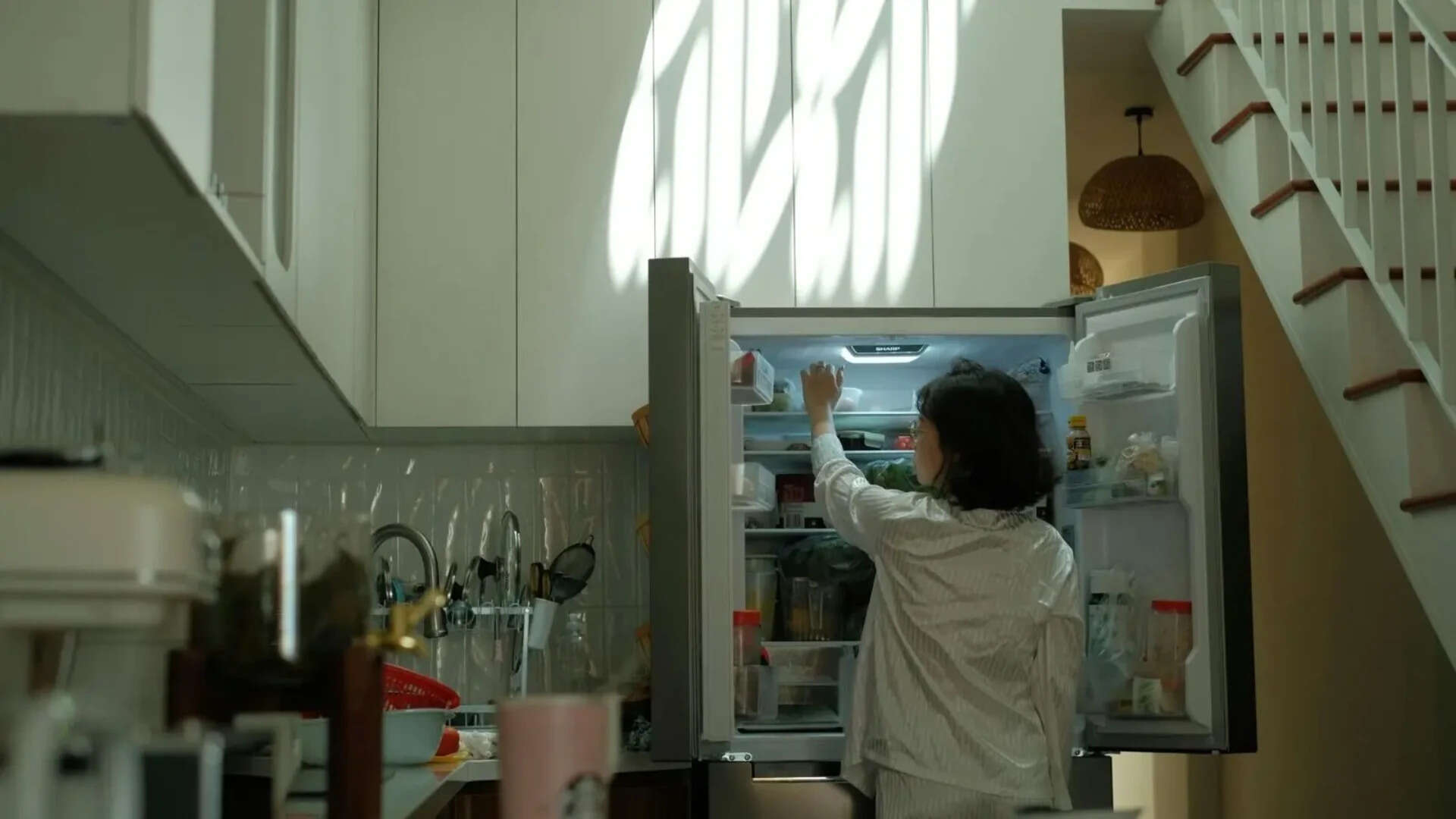
The key is quick refrigeration, limited storage time, and attention to cooking quality. Simple habits can prevent serious illness.
Chicken leftovers: high risk if mishandled
Cooked chicken is one of the most sensitive leftovers. Its moisture and protein content create an ideal environment for bacteria like Campylobacter and Salmonella.
If even a small part is undercooked, bacteria may survive and multiply later.A key warning sign is pink or bloody juices. That indicates incomplete cooking.Safe habit:
- Cool quickly after cooking
- Refrigerate within 2 hours
- Consume within 2–3 days
If there is any doubt about cooking quality, it is best not to store it at all.
Rice dishes: the underestimated danger
Rice often feels like the safest leftover, but it is one of the most risky.Uncooked rice can contain spores of Bacillus cereus. These spores survive cooking. When rice is left out, they activate, multiply, and produce toxins.These toxins can cause sudden vomiting or diarrhoea within hours.Safe habit:
- Cool rice quickly after cooking
- Refrigerate within 1 hour if possible
- Consume within 24 hours
- Rice should never be left out overnight.
Canned food: safer, but not risk-free
Canned foods go through sterilisation, which makes them safer initially. But once opened, they behave like any other cooked food.Air exposure introduces new bacteria.Acidic foods like tomatoes last longer because acid slows bacterial growth. Low-acid foods such as meat or vegetables spoil faster.Safe habit:
- Cover and refrigerate after opening
- Consume low-acid foods within 3 days
- Acidic foods can last up to 5-7 days
Transferring food to a clean container also helps maintain flavour and hygiene.
The simple rule most people ignore
Across all leftovers, one rule stands out: time matters more than temperature alone. Refrigeration slows bacteria, but it does not eliminate them. The longer food sits, the greater the risk. Food safety is less about how good it looks, and more about how it was handled.Disclaimer: This article is for informational purposes only and does not substitute professional medical advice. If symptoms of food poisoning occur, consult a qualified healthcare provider immediately.






 English (US) ·