

 1 day ago
8
1 day ago
8
ARTICLE AD BOX
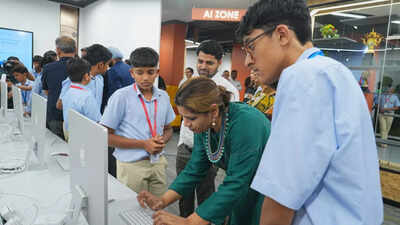
The education system is rapidly evolving across the world. At the peak of the digital age, technology-driven learning models are redefining how students learn. Traditional teaching methods are gradually being complemented by advanced approaches that integrate emerging technologies such as artificial intelligence, robotics, and the Internet of Things (IoT).The modern educational framework is being designed to prepare students not only to understand technology but also to create, innovate, and solve real-world problems. One such integration is the STEAM education model—an intriguing balance of Science, Technology, Engineering, Arts, and Mathematics. With a vision to equip young minds with the tools required to thrive in a modern, competitive world, this approach is actively implemented through a structured and future-focused learning environment.A system focused on STEAM allows students to develop a holistic perspective, encouraging them to approach learning with curiosity and a problem-solving mindset rather than viewing concepts in isolation. STEAM promotes technological literacy and enables learners to understand how fundamental concepts can lead to advanced applications.
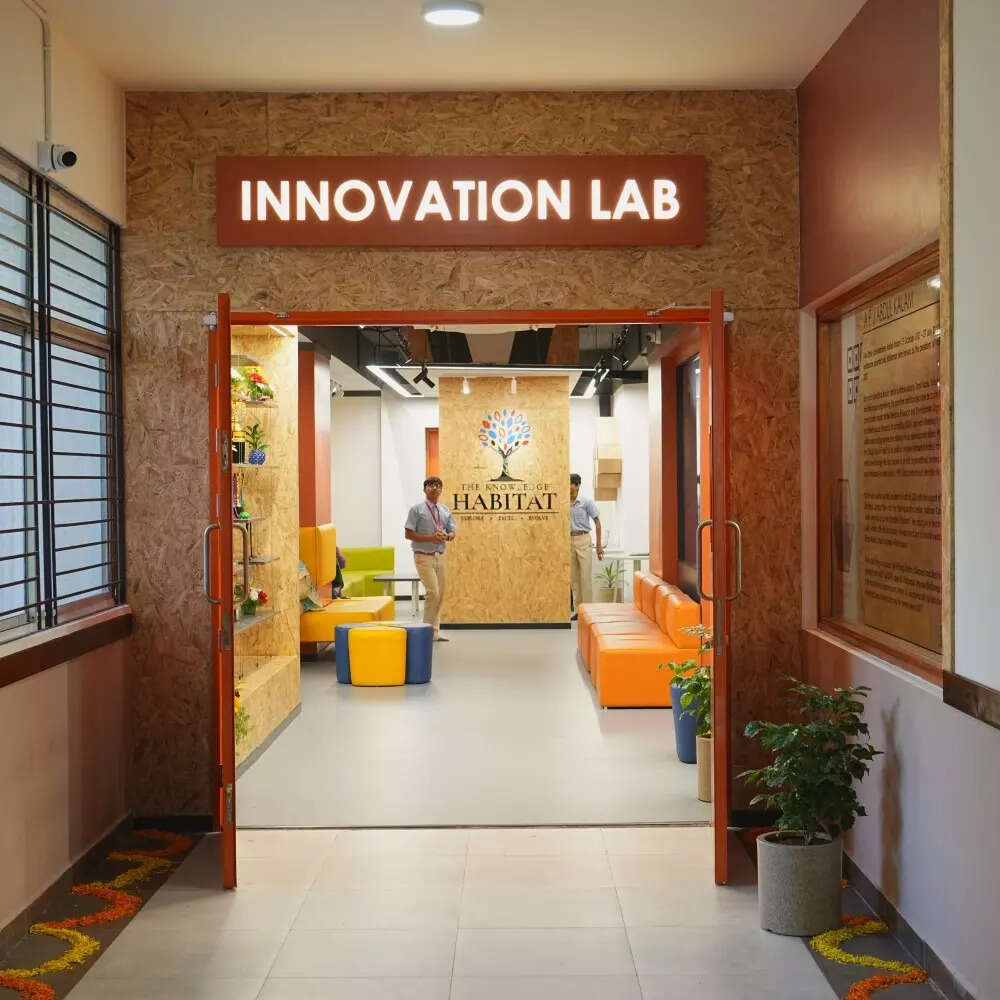
This thoughtfully designed, technology-driven programme is embedded within the academic structure to create a comprehensive framework with clearly defined progression pathways.
Such an approach ensures that students experience a structured learning journey where their skills are developed gradually and meaningfully.The integration of technology within the curriculum prepares learners for challenging and technologically demanding careers. While the world continues to address evolving learning challenges, students here gain the ability to apply concepts from science, mathematics, engineering, the arts, and technology in real-time projects and prototypes.Robotics projects, for instance, generate tremendous excitement among students. While engaging and enjoyable, these projects require a sound understanding of scientific principles, mathematical calculations, engineering design, and programming skills. Learners actively build, test, and experiment, enabling them to understand technology and its implementation through direct experience rather than passive instruction.
Activities such as designing automated systems, programming robots, building electronic circuits, and developing simple software applications help students grasp complex ideas more effectively.
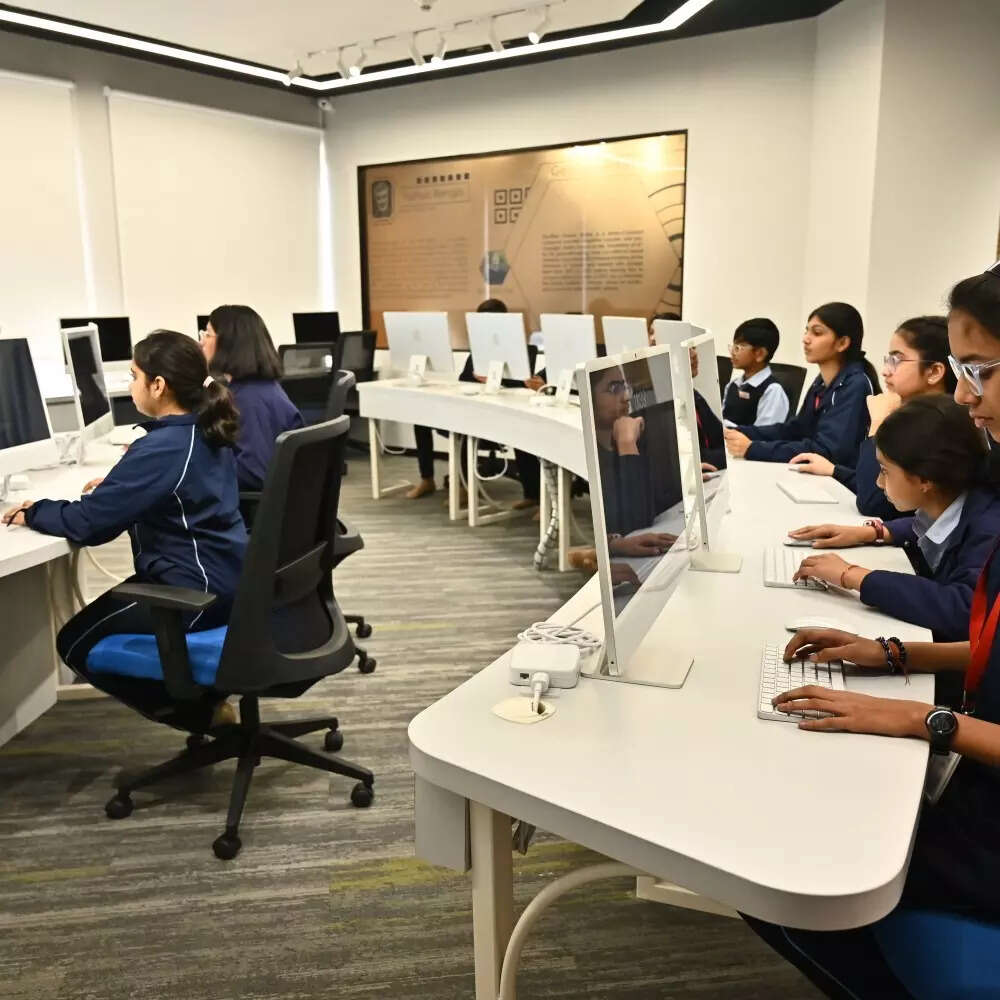
A strong emphasis is placed on experiential learning, allowing students to cultivate creativity, collaboration, and problem-solving abilities. The learning environment across classrooms reflects a deep commitment to innovation and technology-driven education.
Students have access to advanced technologies, electronic workstations, and high-performance computing systems that support complex tasks.State-of-the-art facilities—including 3D printers, laser cutters, fabrication equipment, and digital workspaces—enable learners to transform ideas into tangible prototypes. For example, students can design a product using computer-aided design (CAD) software such as Blender or Tinkercad and then bring their vision to life using a 3D printer.
Fabrication tools further allow them to assemble components and build working models.
Projects can also be enhanced using Artificial Intelligence, Robotics, Augmented and Virtual Reality (AR/VR), and Sound Engineering.
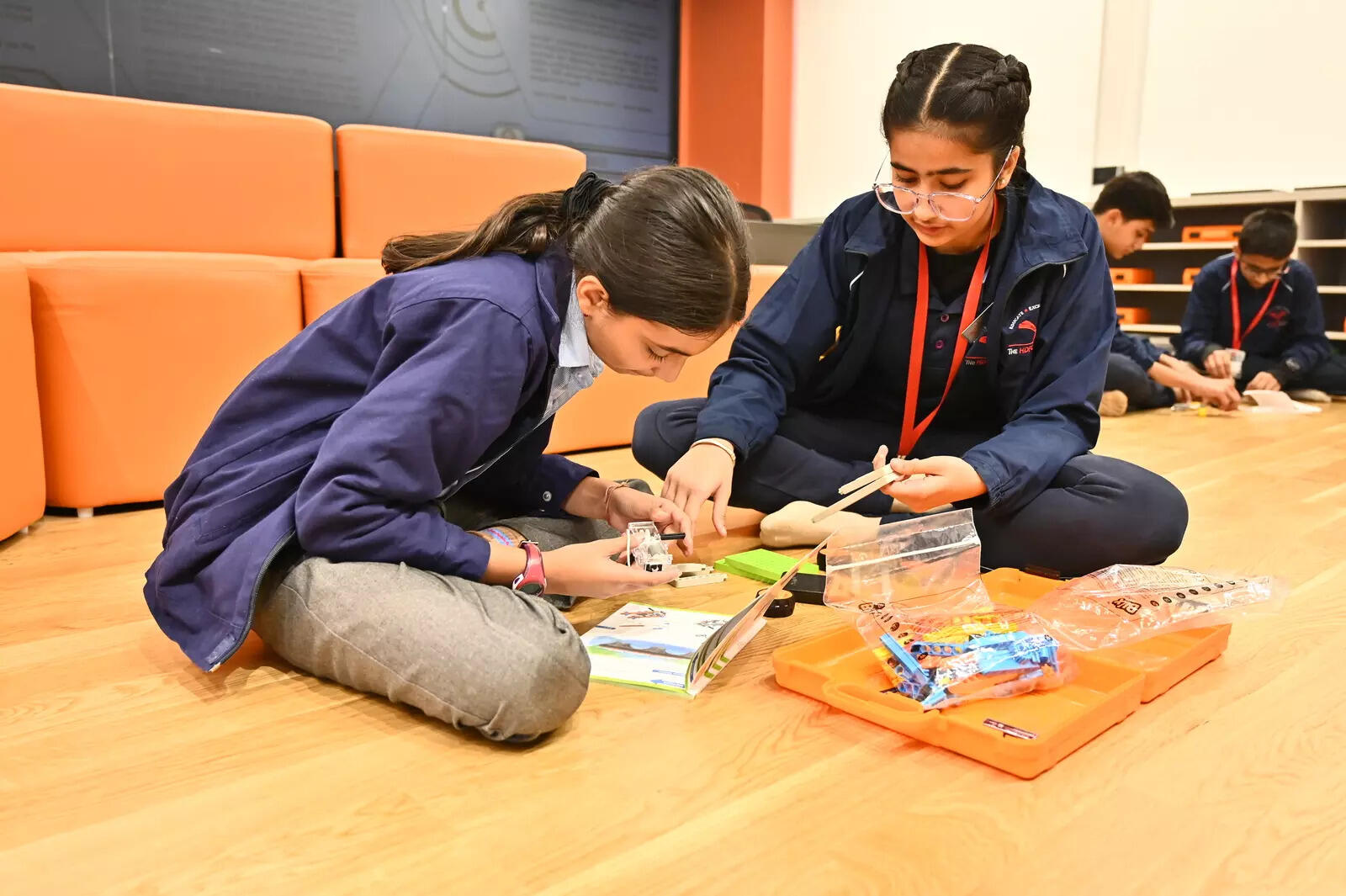
A dedicated sound studio provides opportunities to explore audio production, podcasting, and digital storytelling. Through structured, project-based learning, students regularly gain hands-on experience with emerging technologies.
Collaborative work is strongly encouraged, enabling learners to develop communication skills and to understand the importance of teamwork, project management, critical thinking, and problem-solving.The student evaluation process also reflects this progressive philosophy. Assessment includes project evaluations, coding challenges, digital portfolios, and collaborative tasks rather than relying solely on theoretical examinations and passive classroom recall.Integrating STEAM education within a structured academic framework is essential for preparing students for the future. At The Knowledge Habitat, this vision comes to life through a technology-rich learning environment supported by modern facilities and innovative programs. By nurturing creativity and building a strong foundation in technological skills, the school empowers students to become confident innovators who will contribute meaningfully to the world of tomorrow.Disclaimer: This article has been produced on behalf of 3E Education Trust by Times Internet’s Spotlight team.








 English (US) ·